

The Aston Martin Heritage Festival
To say that my first car was very special is something of an understatement. It was an Aston Martin DB5 with a very smart golden paint job, which was bought for me by my parents, in 1967. I was hoping for a silver one, exactly like the one Sean Connery had driven as James Bond in the movie Goldfinger, the previous year, but my mother had struggled to find one in that colour, nevertheless, a working mint condition gold painted Aston Martin DB5, was as I have said something very special. A silver version was eventually released in 1968, which was too late for my Christmas present! I absolutely loved my very first, but sadly, my only Aston Martin!
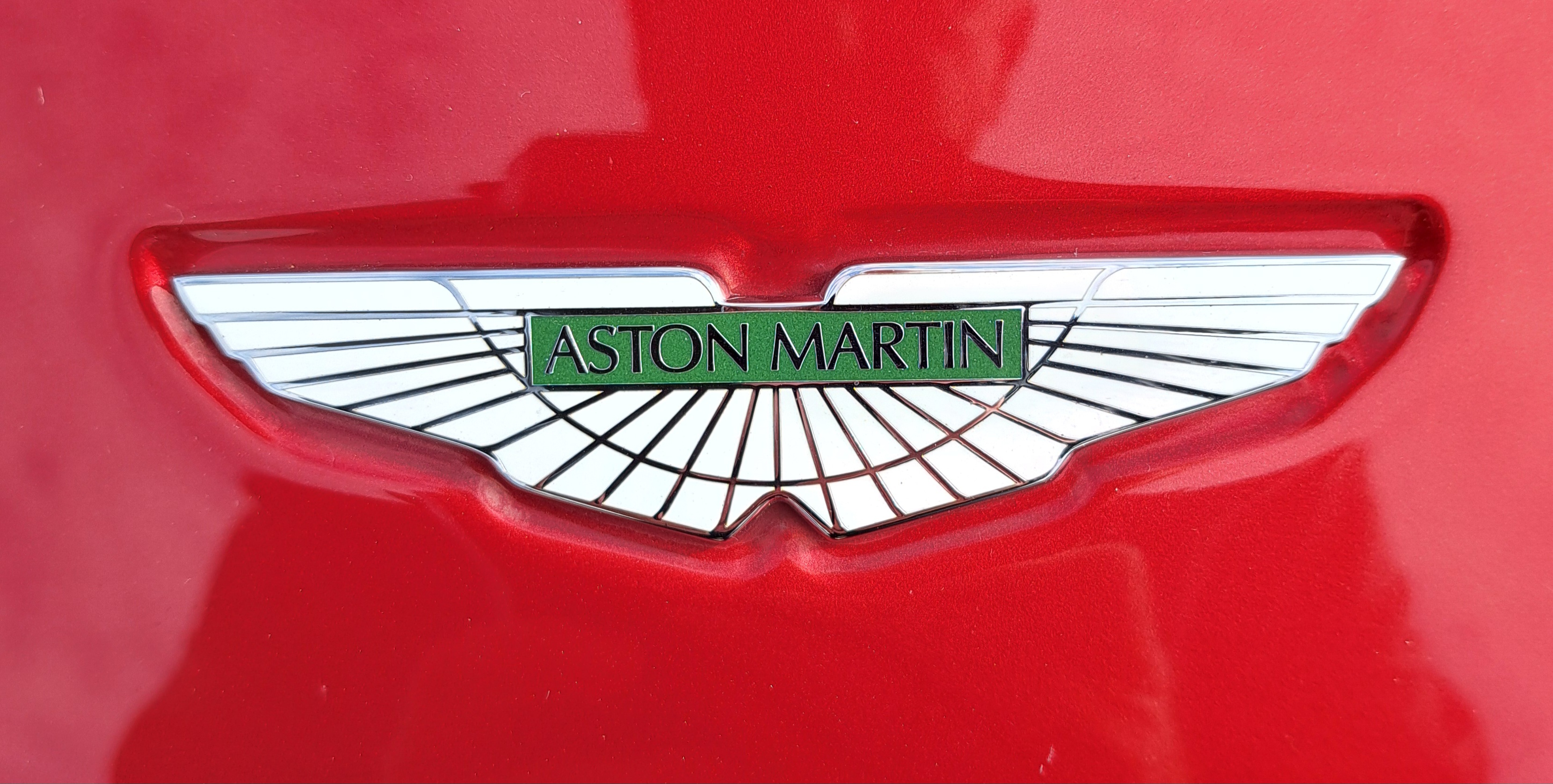


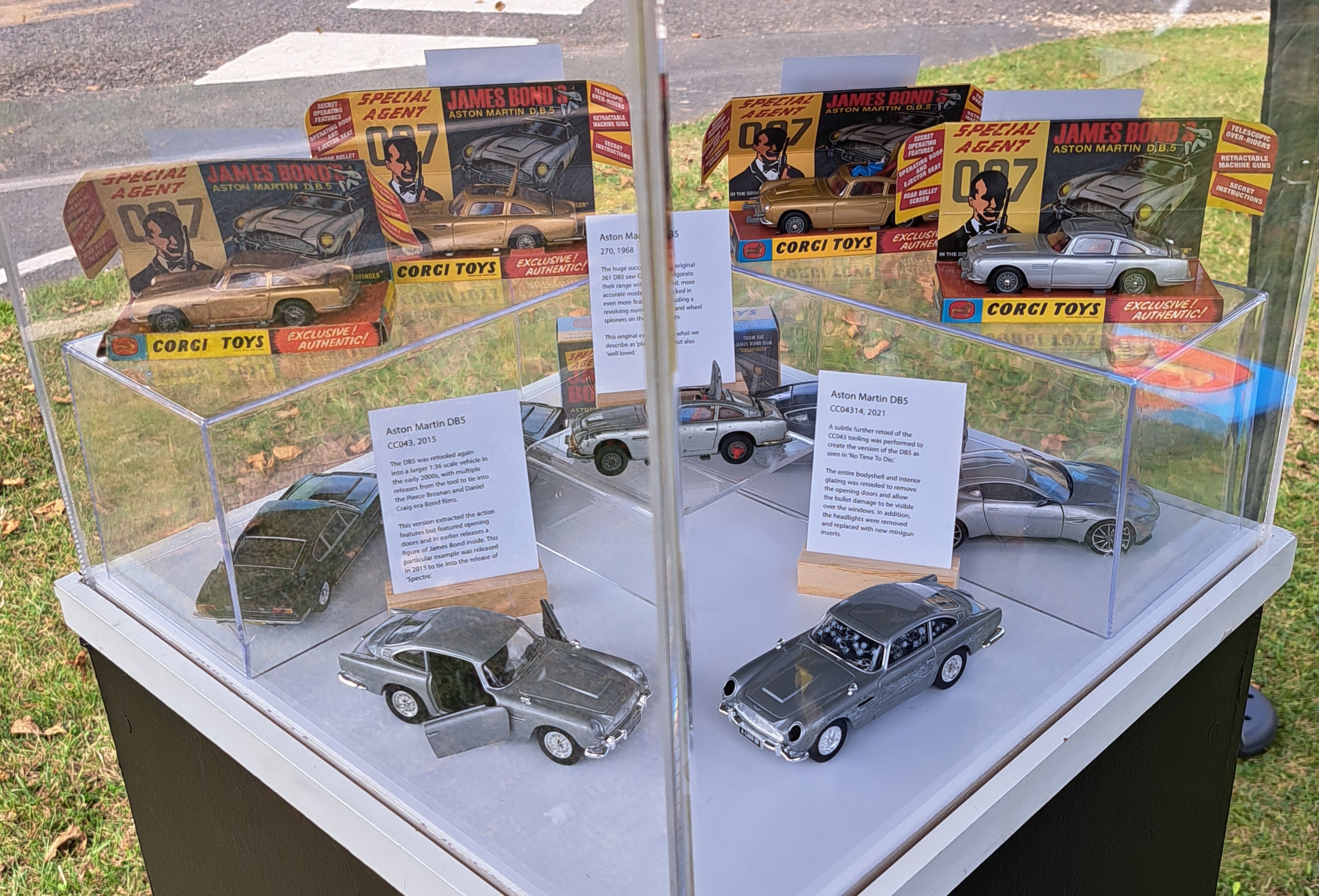
Unfortunately, as you may already have determined, my first car was a toy, arguably one of the most famous Corgi Toys ever produced, James Bond’s Aston Martin D.B.5. It was first released in 1965, just in time for Christmas with a golden paintjob. The story goes that Corgi bosses were concerned that the silver painted factory samples looked too much like ‘base metal’ and any production delay would have meant the model not being in the shops in time for Christmas, so a decision was made to paint it gold, which to me, made it look very special.

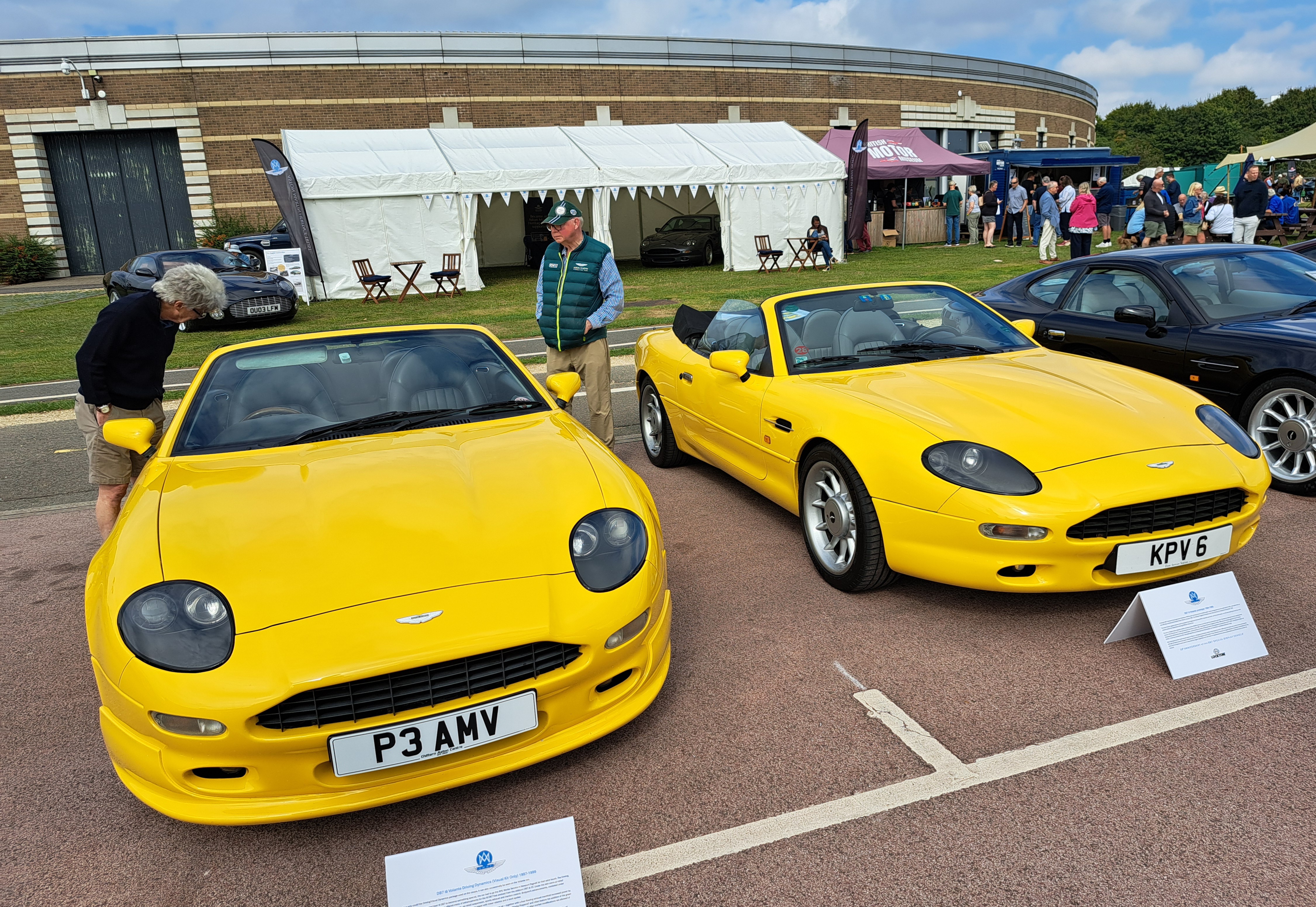
The reason why I found myself reflecting on my first childhood toy car was because I recently found myself invited to the Aston Martin Heritage Festival at the British Motor Museum in Gaydon, which was being hosted in collaboration with the Aston Martin Heritage Trust, for the second year in succession. This year, the festival was celebrating several special anniversaries, 111 years of Aston Martin Heritage, 30 years of the DB7, which is considered by many to be “the car that saved Aston Martin”, 90 years of the Ulster & MkII models, which were known for their exceptional engineering and technical prowess plus 60 years of my own very special Goldfinger car, the DB5.
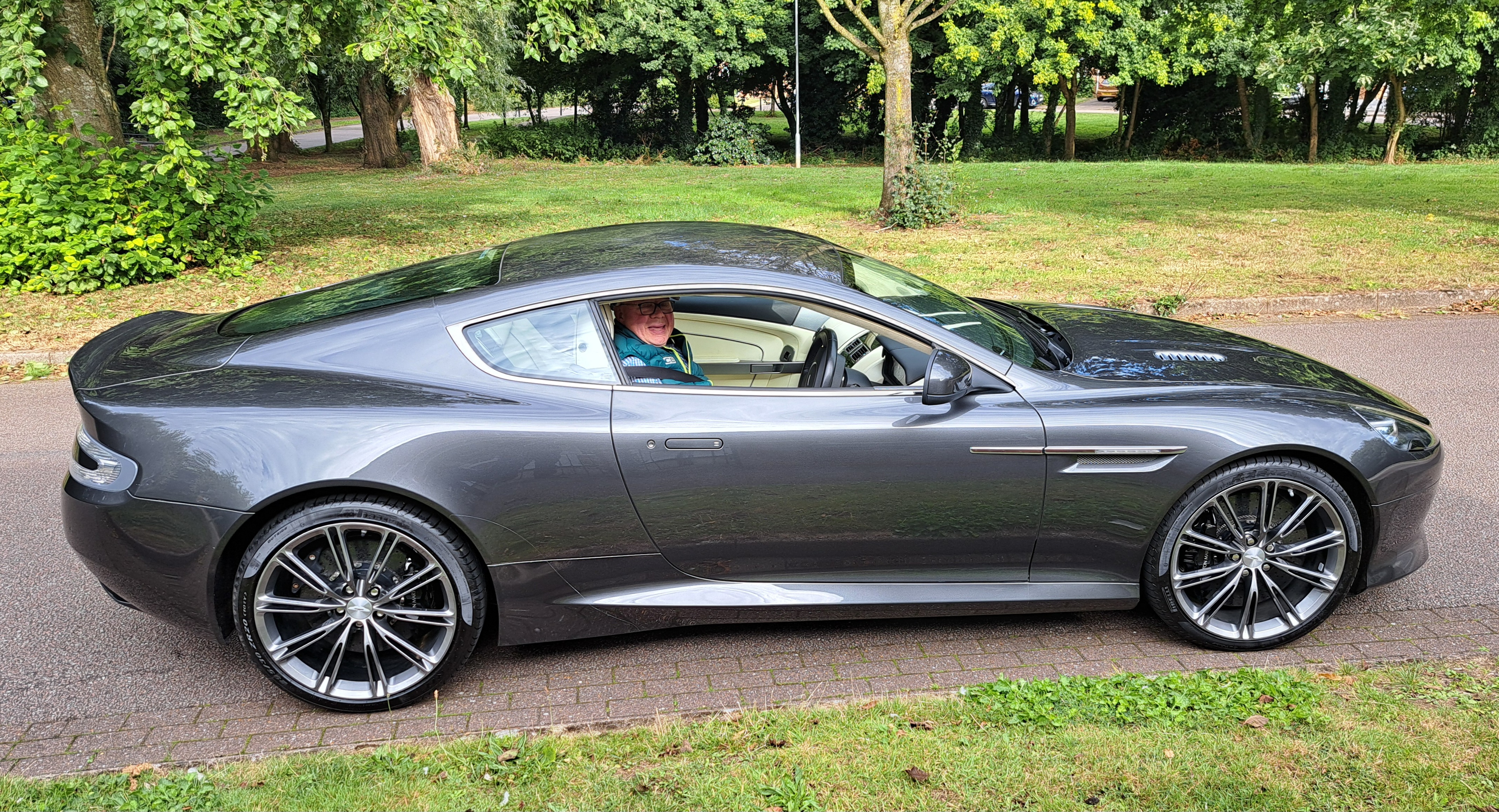
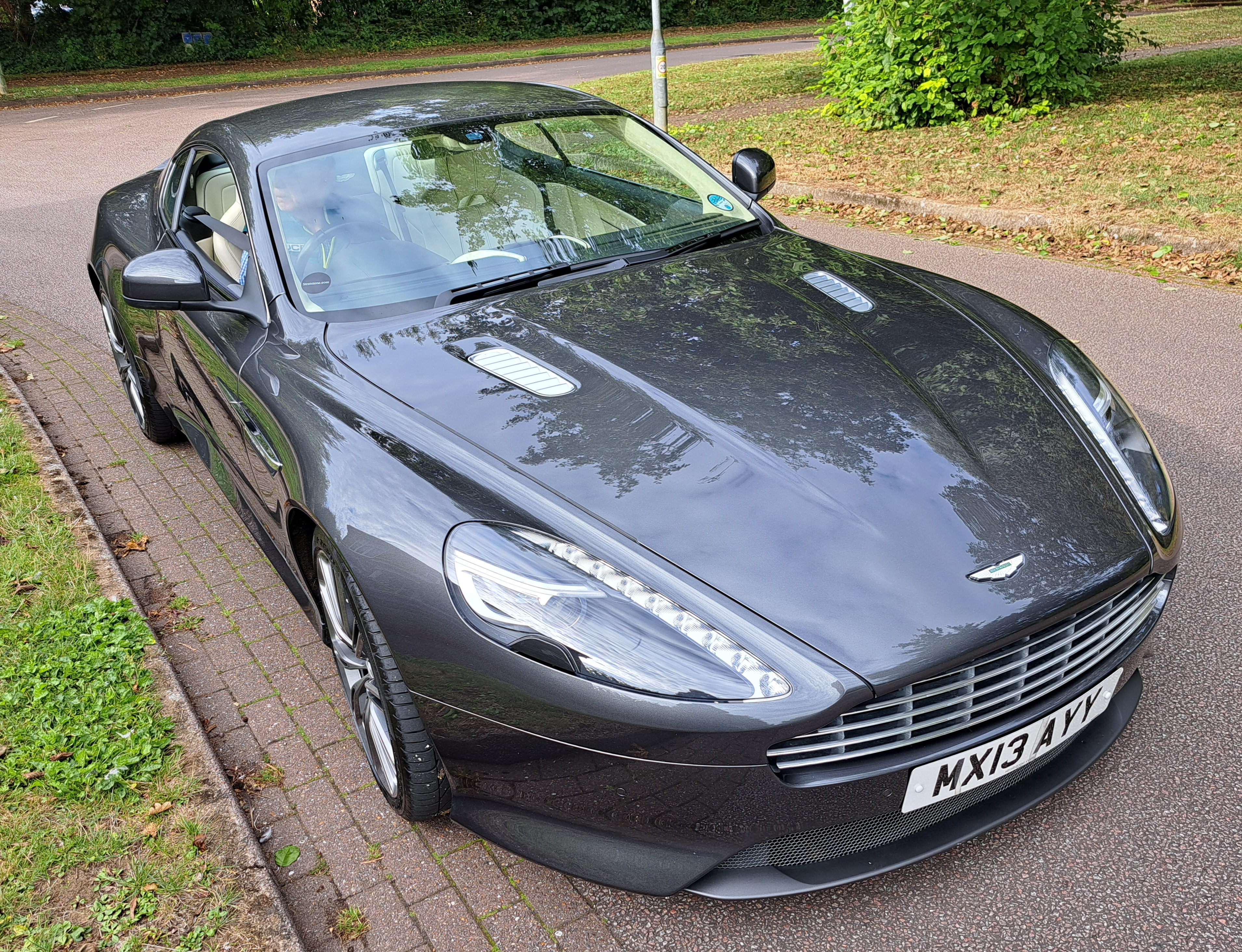


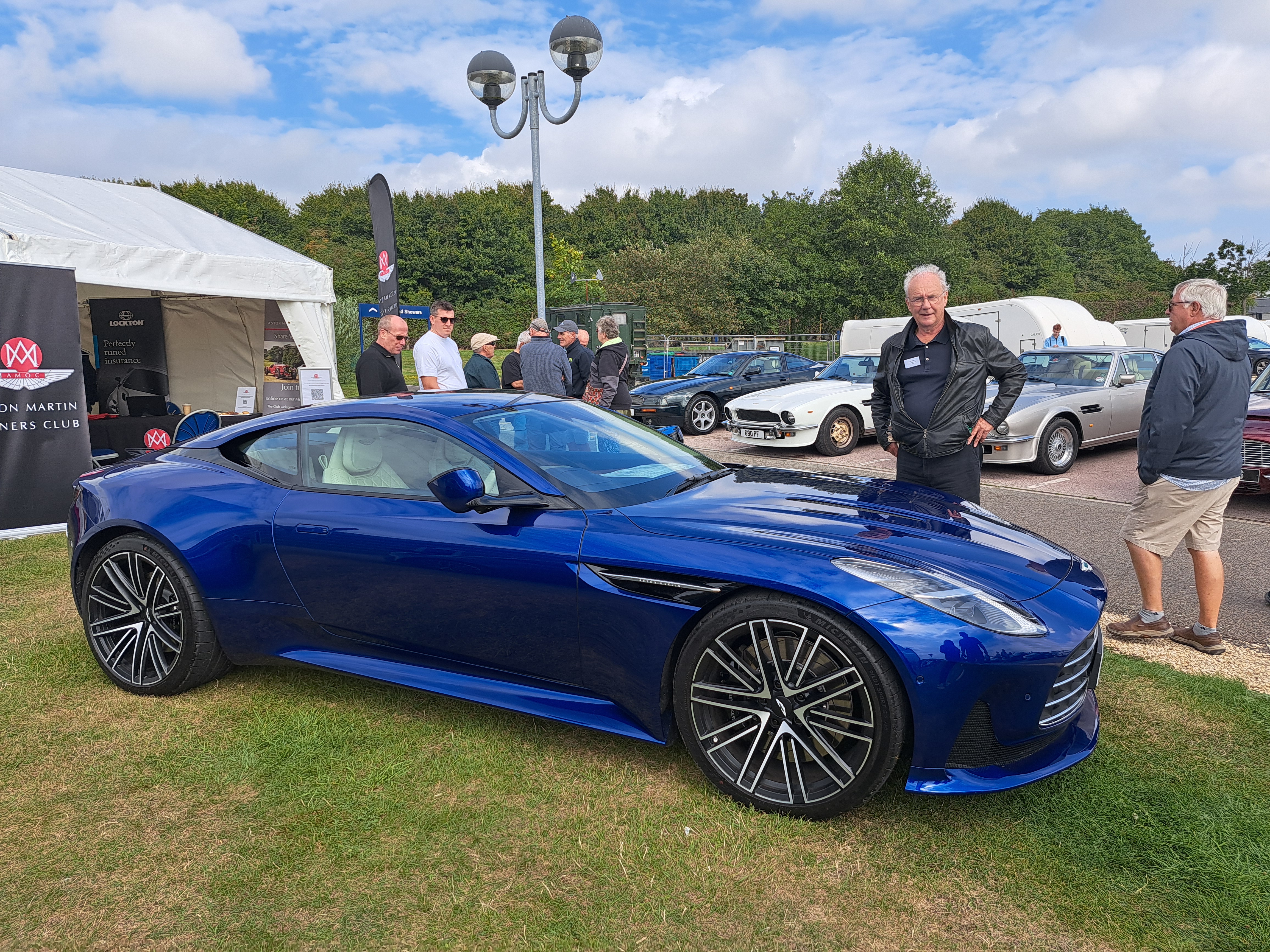
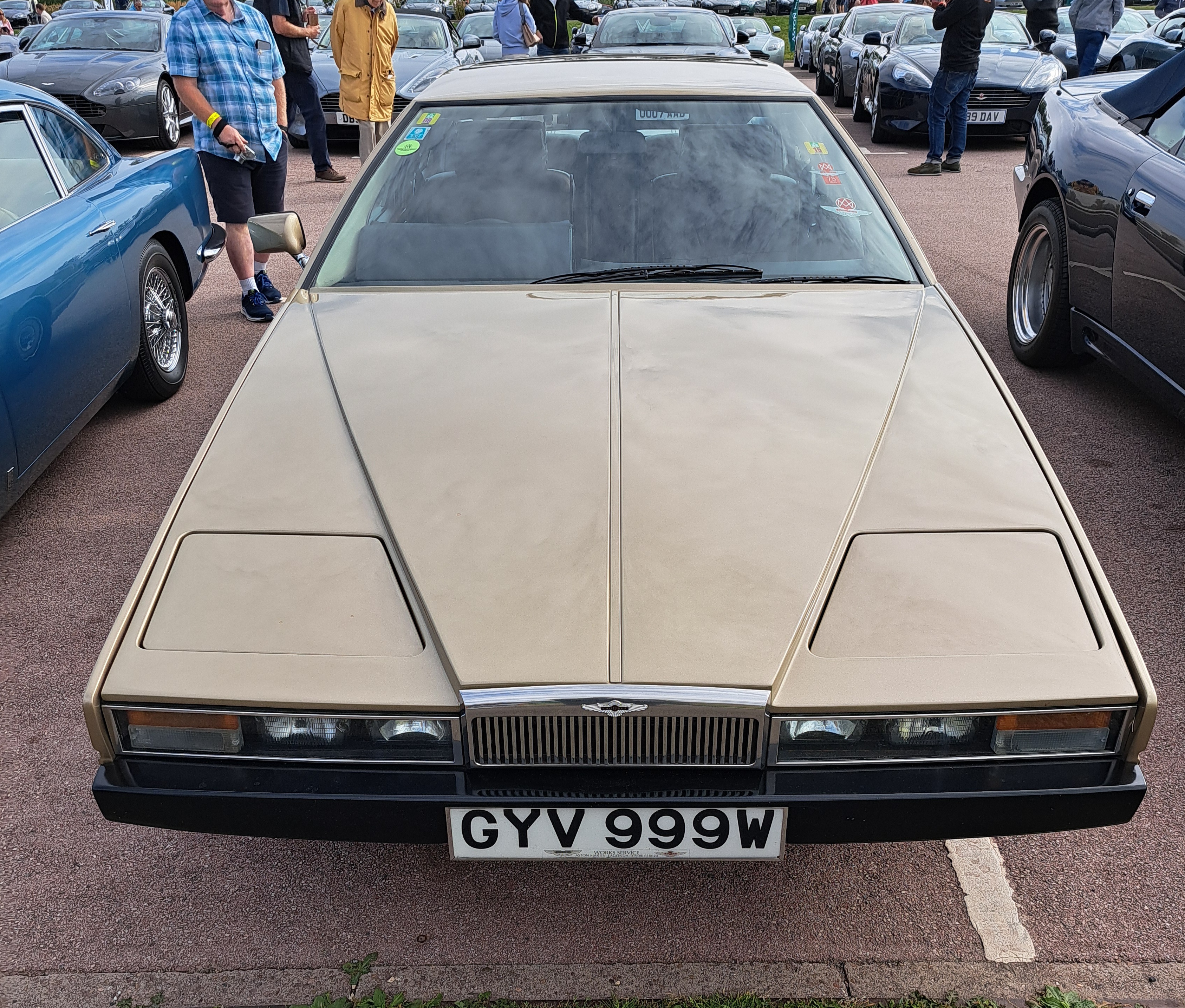
Hundreds of proud Aston Martin owners from across the country turned up in their very own pride & joy, of every age & model, all parked up in line by era, which made for an excellent display of cars, demonstrating the marques history. I was of course arriving in style too, my friend has a 2013 6 litre Aston Martin DB9 which retains the timeless shape, sumptuous interior & engaging performance that has served this iconic British brand for over 100 years. The low slung, long hood & short deck proportions of the DB9 have been used for much of the brand’s history. There are only about 4,500 of these models on the road, so it is still very much a real head turner!
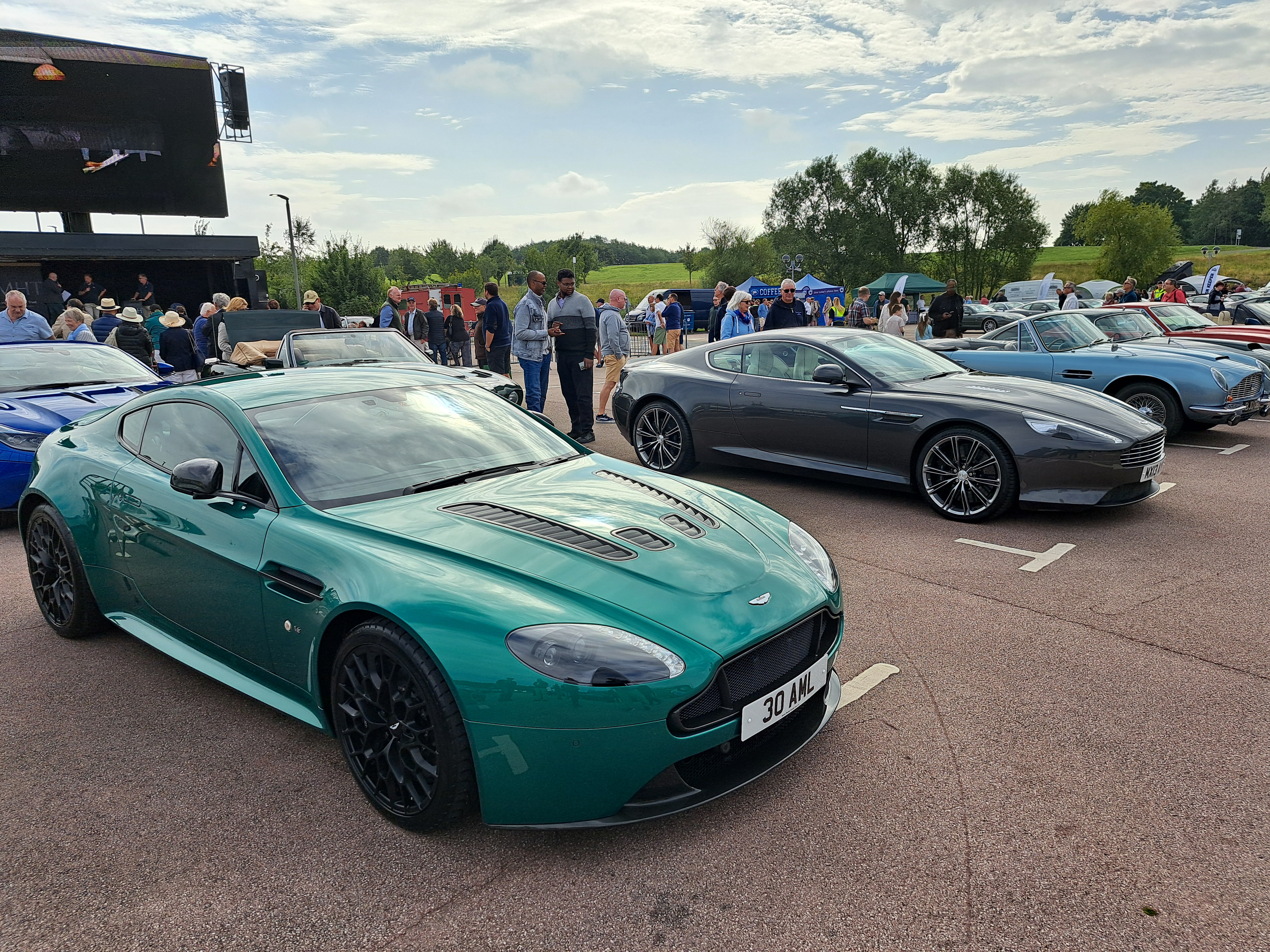
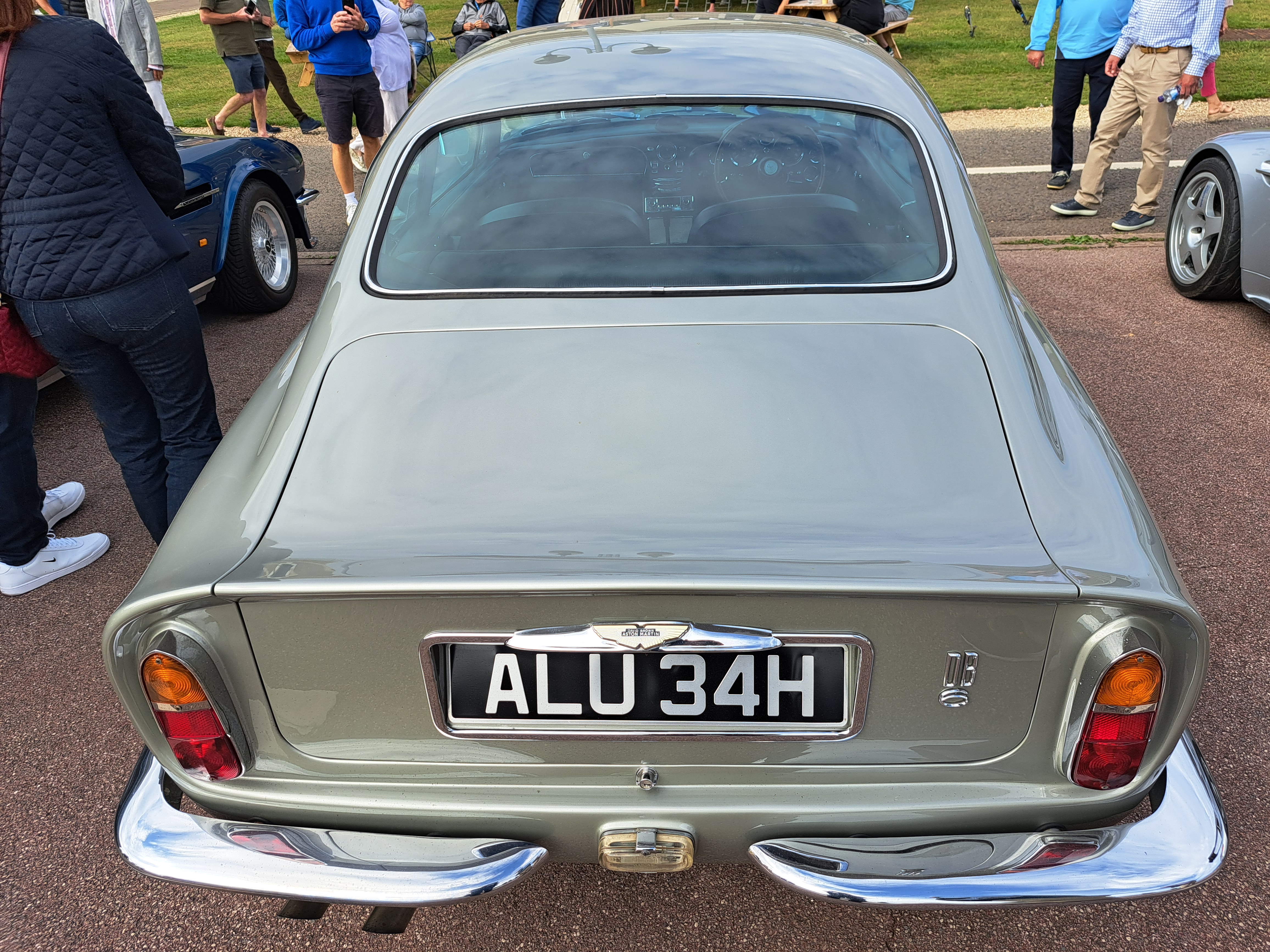

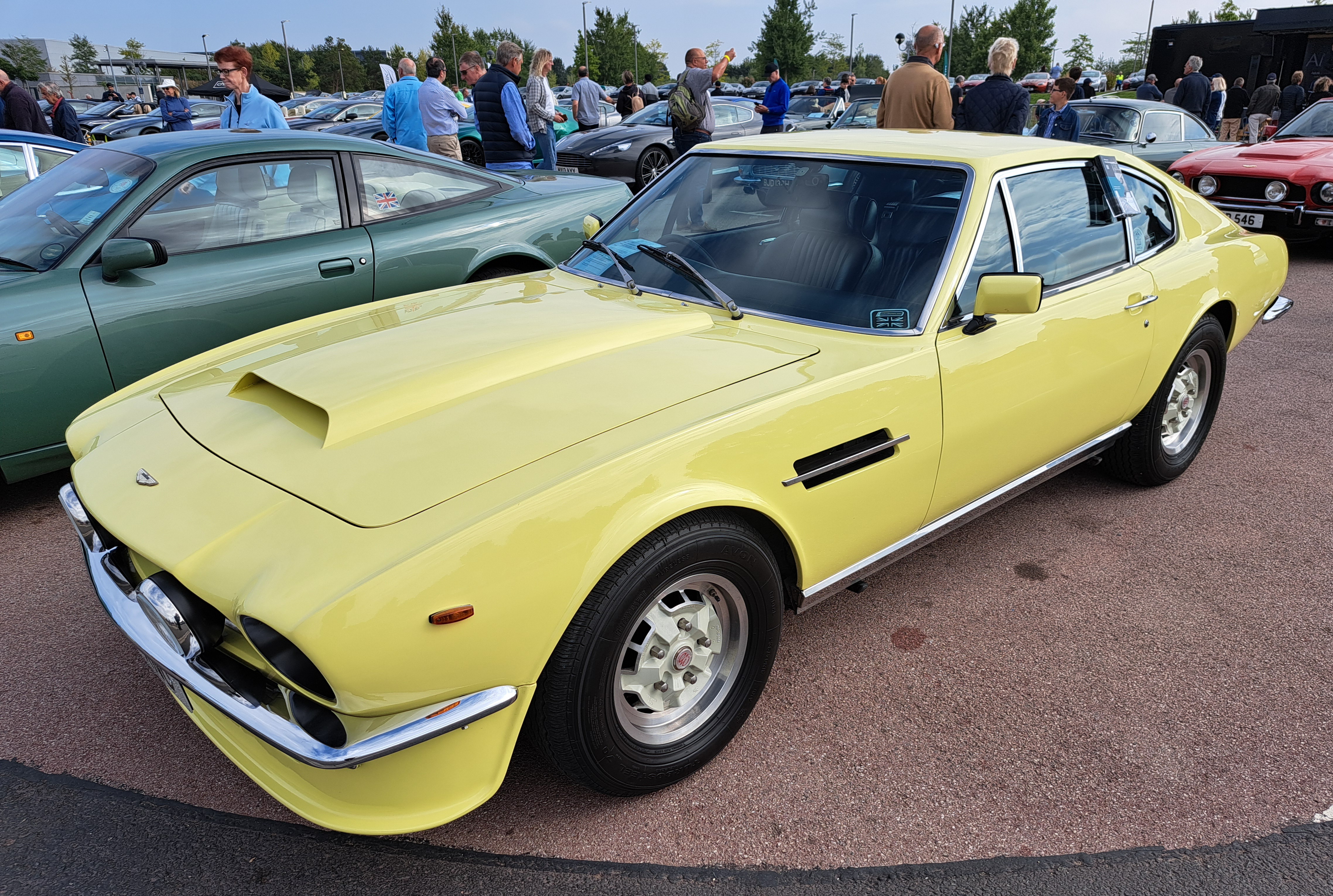
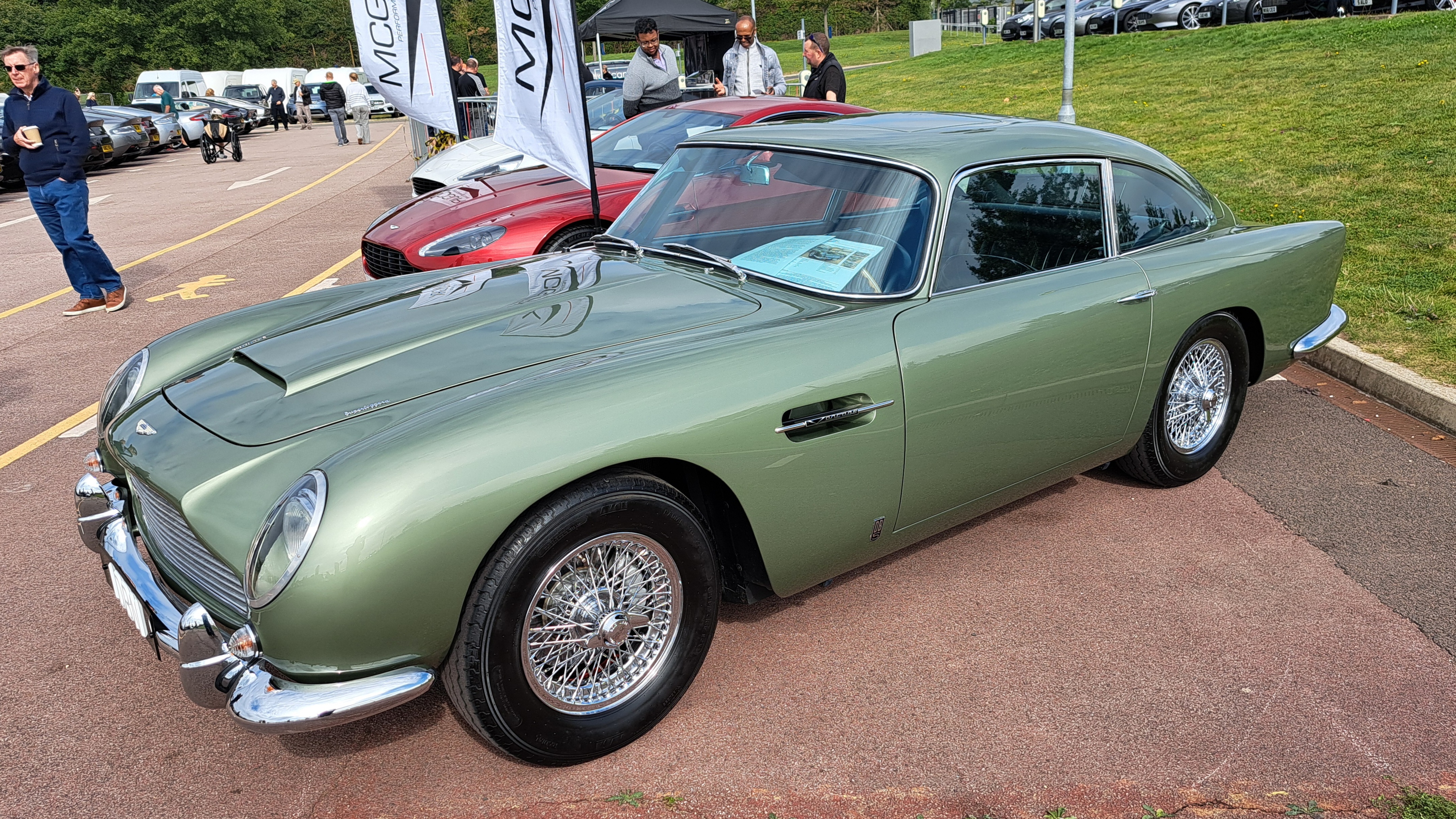
Several years ago as a new Aston Martin owner, he had been invited to a tour of the Aston Martin facility in Gaydon, which is very close to the British Motor Museum, and he invited me as his guest! Outside the building sat a beautiful yellow V8 Vantage that appeared to be floating on water and nearby a polished chrome Vantage casually chilled out on some rocks.

Once inside I was treated to a procession of classic Aston Martins & I was able to peruse a fascinating pictorial history of this iconic motor company, spread out across the wall. Needless to say I had a fantastic day!


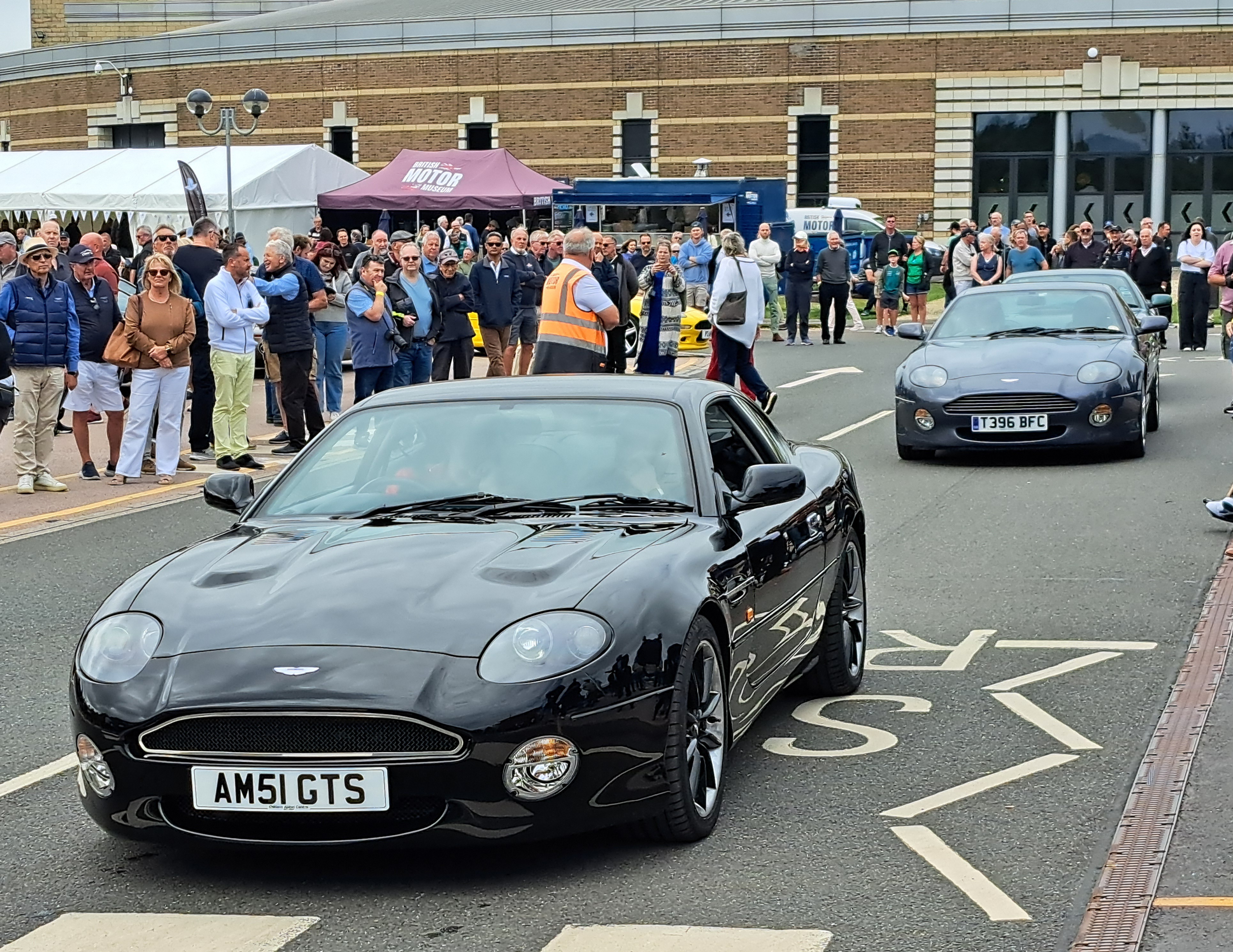
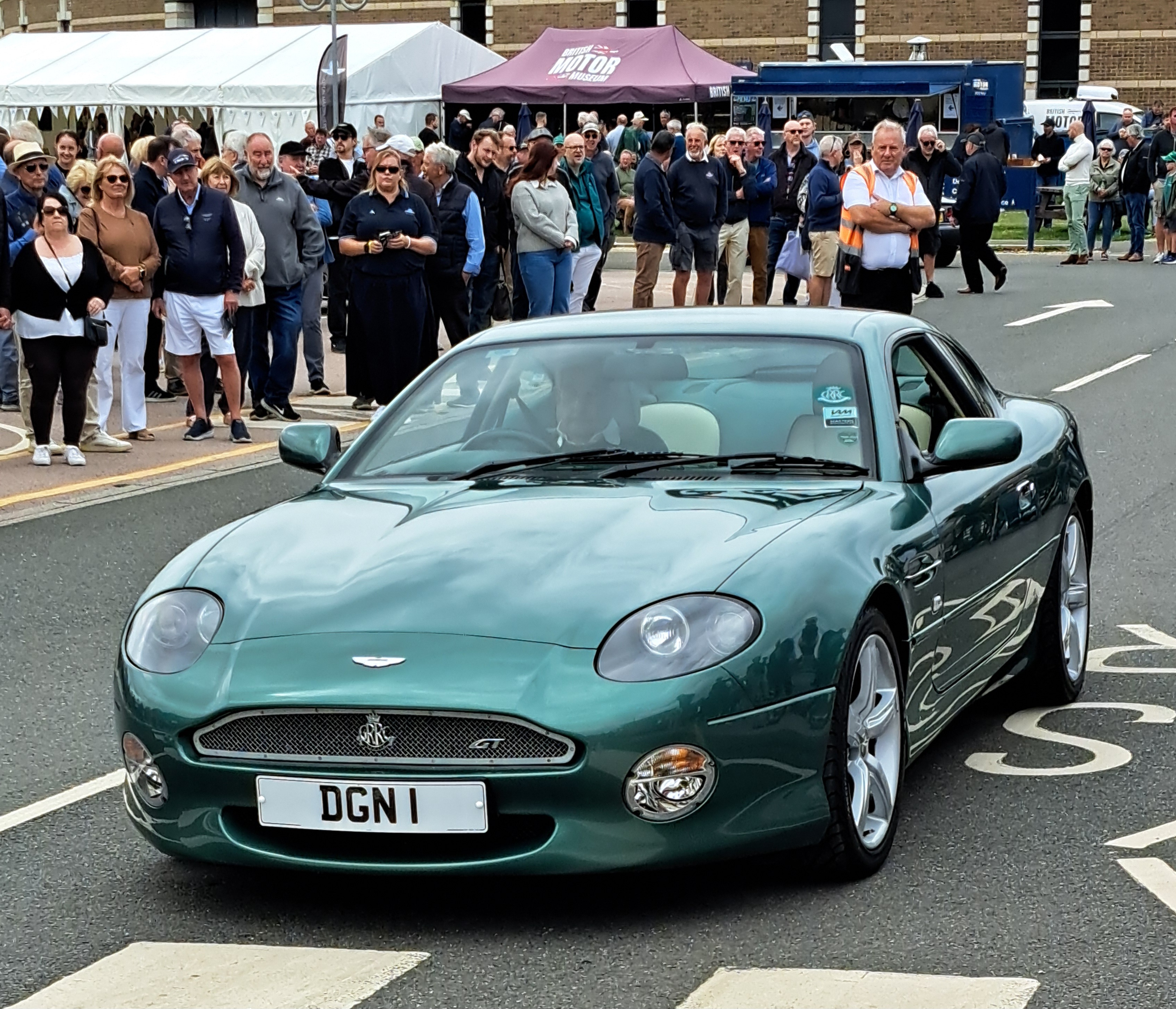
The Aston Martin Heritage Trust also had several classic & rare Aston Martin models on display at the Heritage Festival too including a 1934 Ulster, a DB7 i6 prototype and a DB7 Zagato. On stage & screen I was treated to a full programme of presentations and interview’s from several Aston Martin legends including Ian Callum CBE FRSE RDI who had designed the Aston Martin DB7 & Vanquish & Dr Ulrich Bez, the former Aston Martin Lagonda CEO & Chairman.

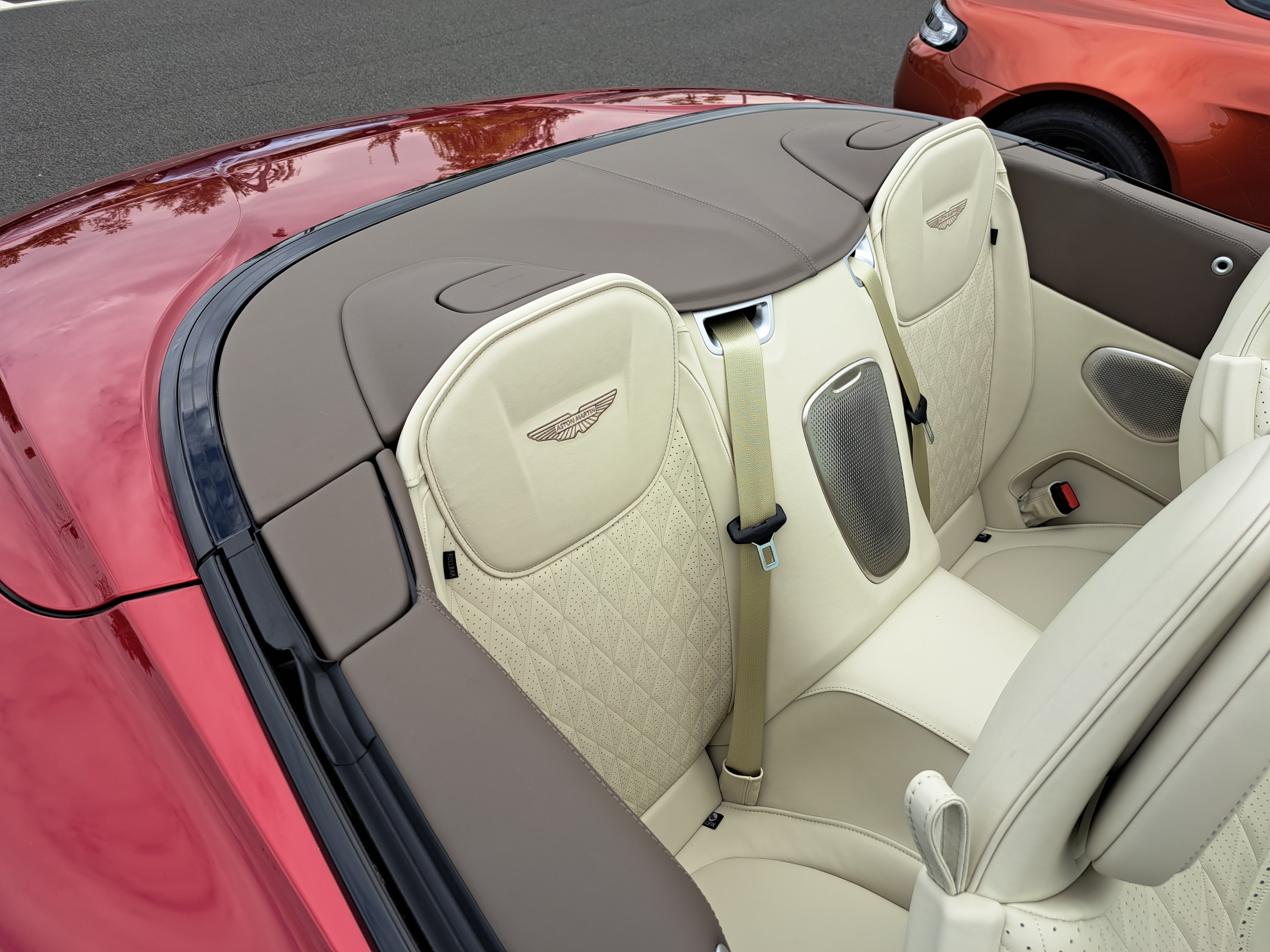

I was particularly excited to view the Corgi Toys on 60 years of Goldfinger. If only I had still got that car. I was told by one of the staff, that fully-working mint condition models in their original boxes are extremely rare and very collectable & valuable. Although the collection on show was quite small, the young man from Corgi was very knowledgeable and happy to answer questions.
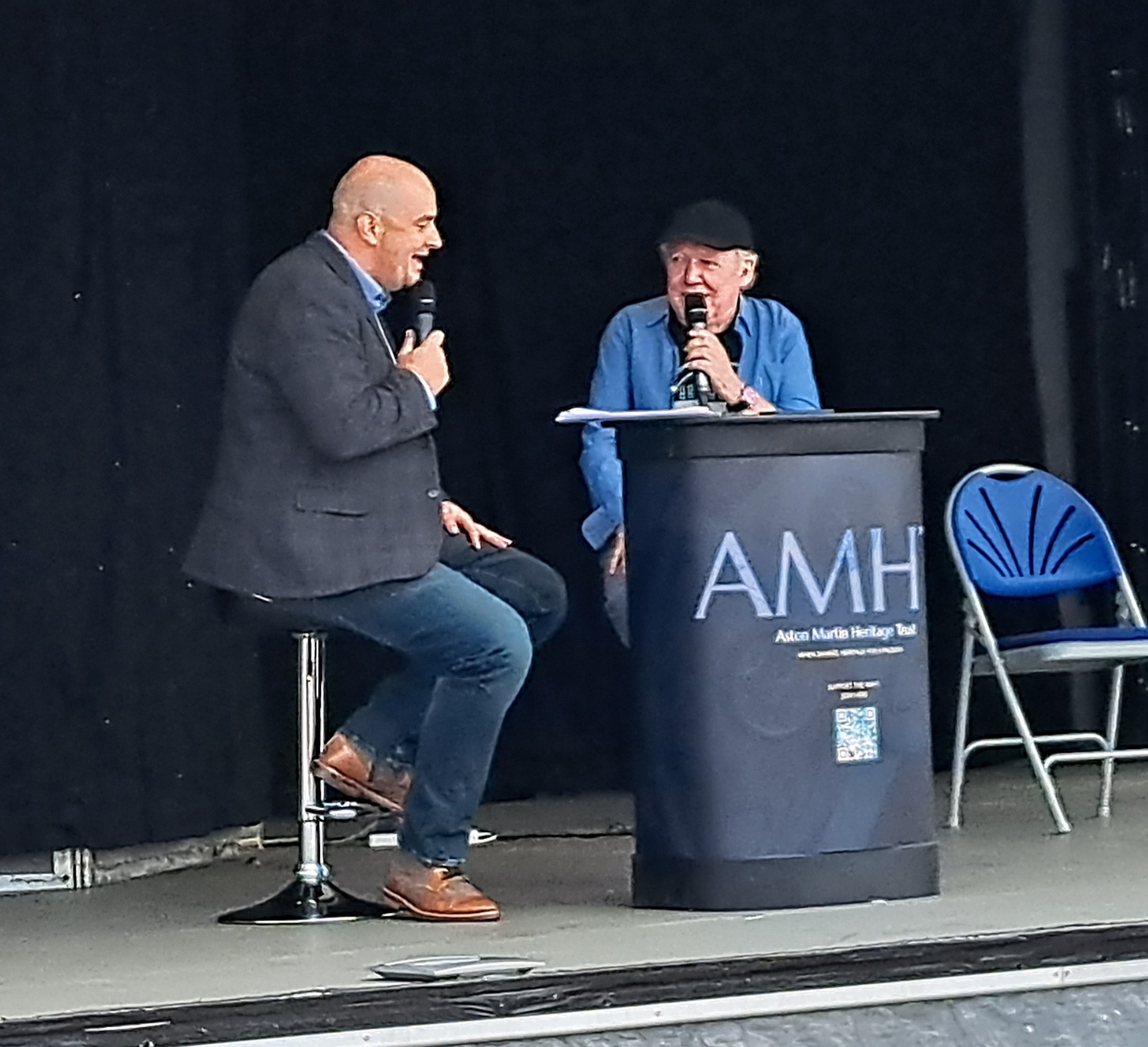

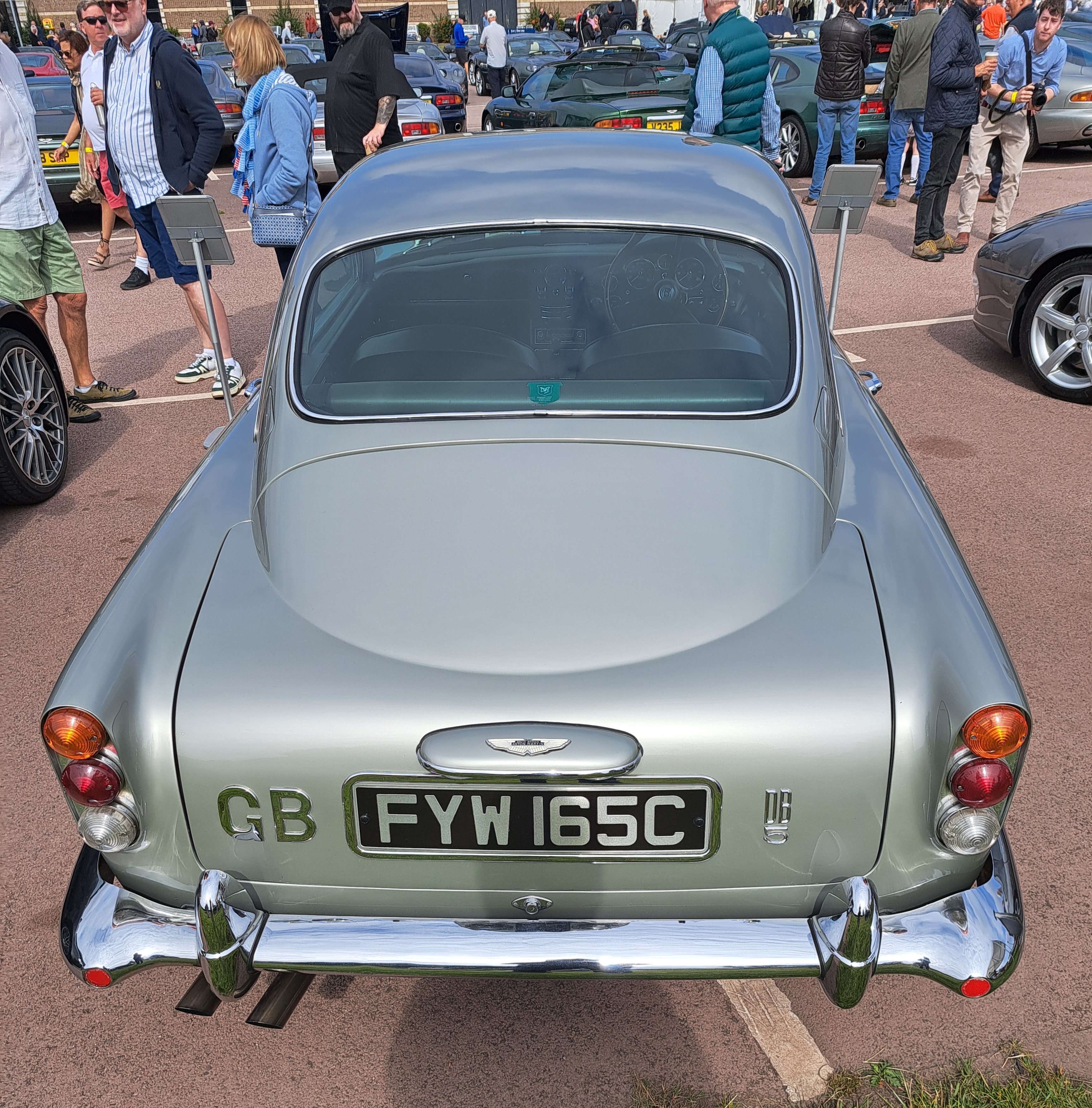


The presentation of cars along the Gaydon strip was very well rehearsed with plenty of historical & anecdotal information about the cars and their owners. There was a stage and large screen so that everyone was able to see & hear clearly the insightful interviews from a number of expert speakers including Steve Waddingham, the Historian for Aston Martin Lagonda.


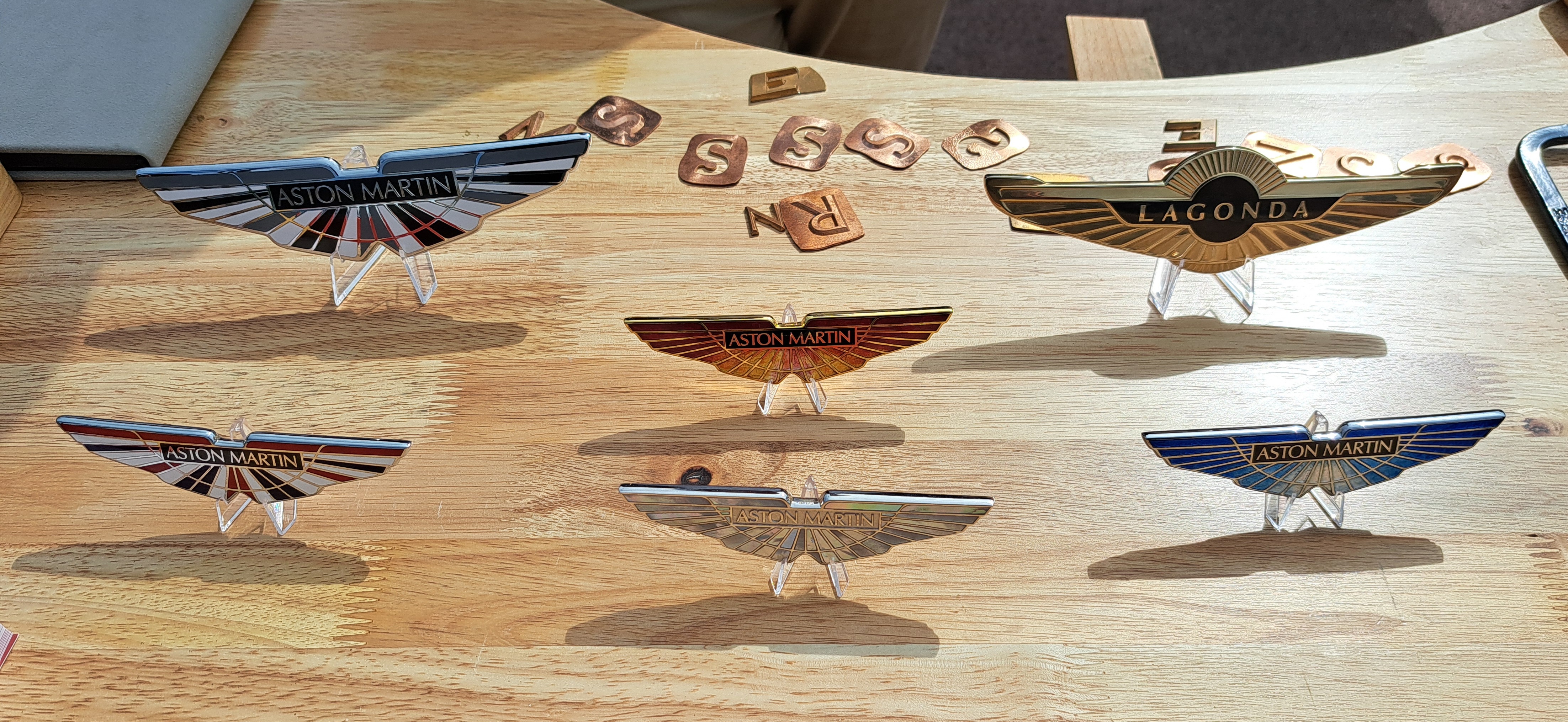
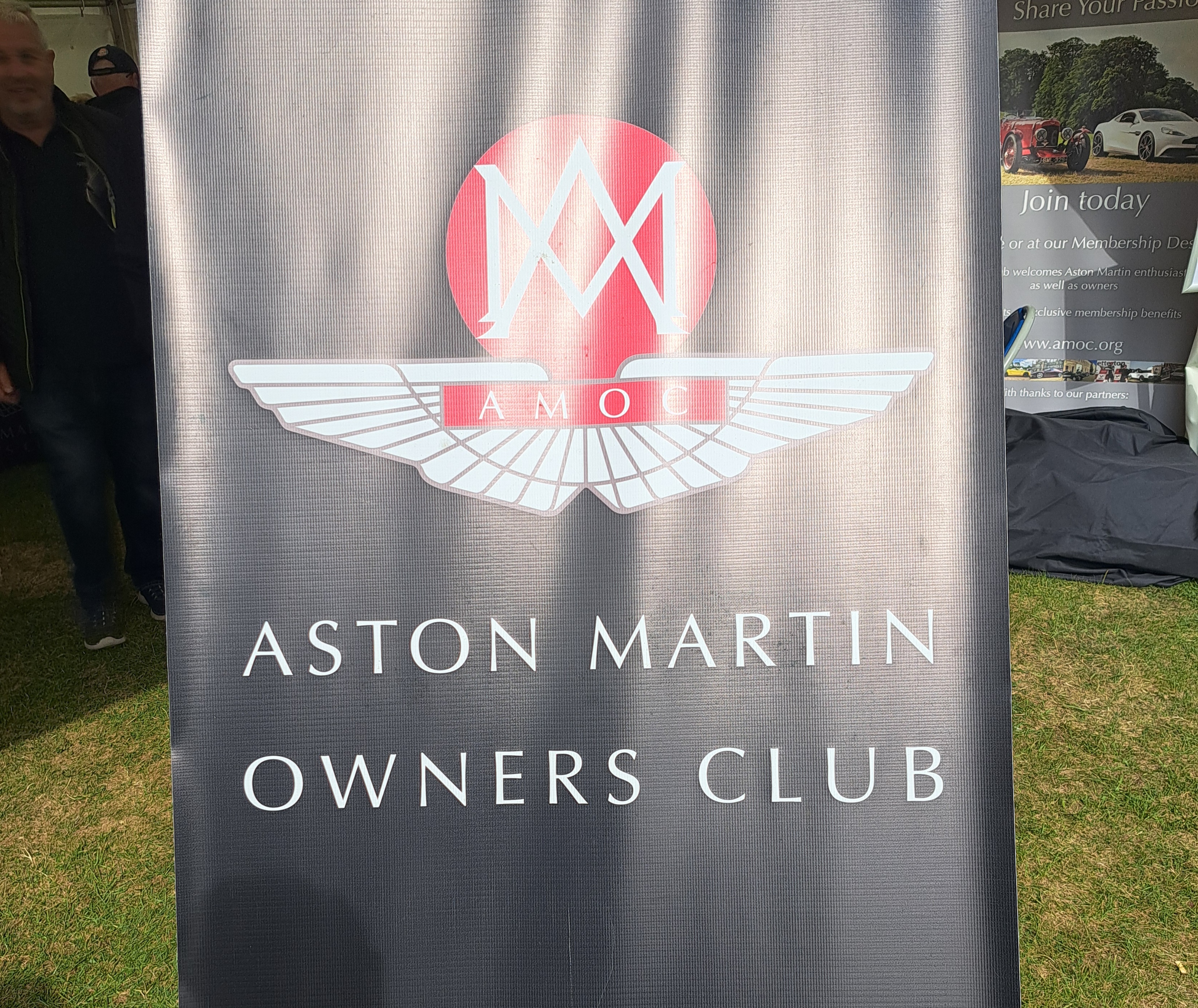
Around the periphery of the main vehicle displays were a number of stands from the festivals major sponsors which included Vaughtons Automotive, the official badge suppliers to Aston Martin, Chiltern Aston Centre Ltd, catering for all things Aston Martin, Aston Installations, for Aston Martin accessories, lots of ex Aston Martin & Lagonda employees & works staff, trained Aston Martin servicing technicians and of course, the Aston Martin Owners Club, the only official worldwide Club for anyone interested in this iconic marque.


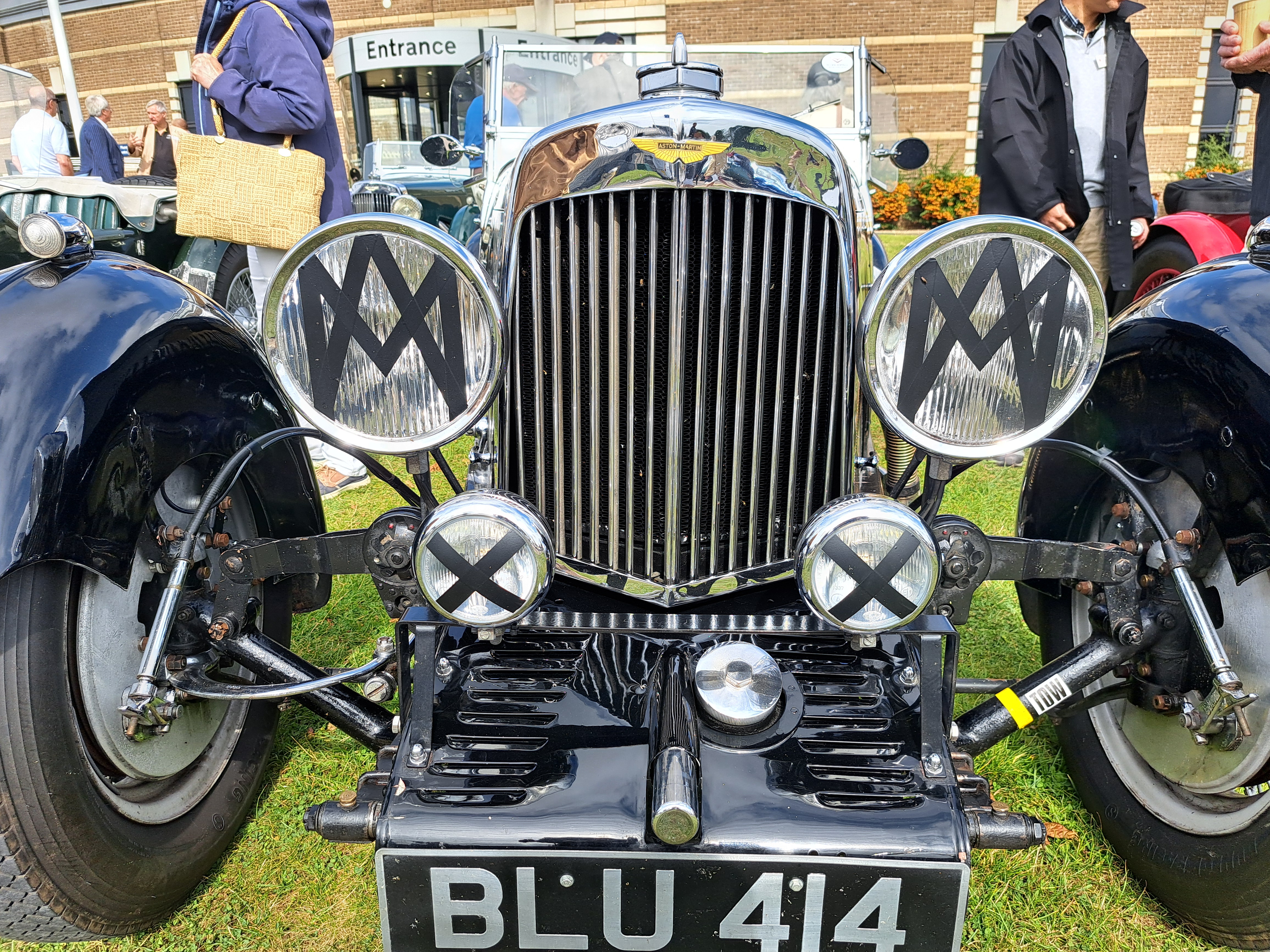

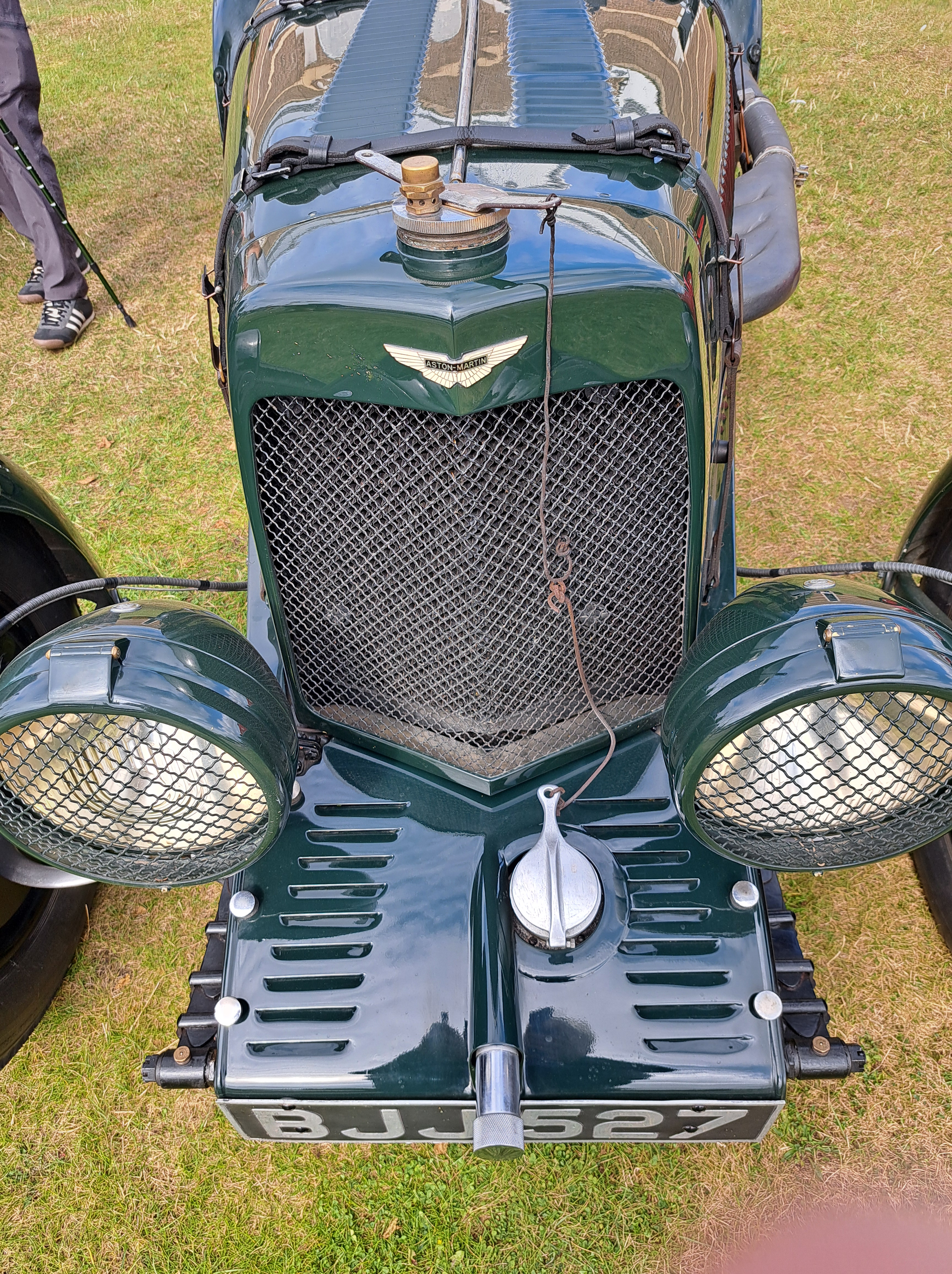

Walking around this stunning collection of highly desirable motor cars only reinforced my belief that with a combination of high performance engines, the brand’s rich history, heritage & craftsmanship, Aston Martin is still one of the world’s most luxurious & desirable automobiles. I am already looking forward to visiting the Heritage festival next year.

Did you know?
What does the DB mean on the legendary ‘DB’ series of Aston Martin cars,
The DB used on all Aston Martins is in recognition of David Brown using his initials, the English businessman who bought Aston Martin in 1947 & Lagonda in 1948.


Why is it called Aston Martin?
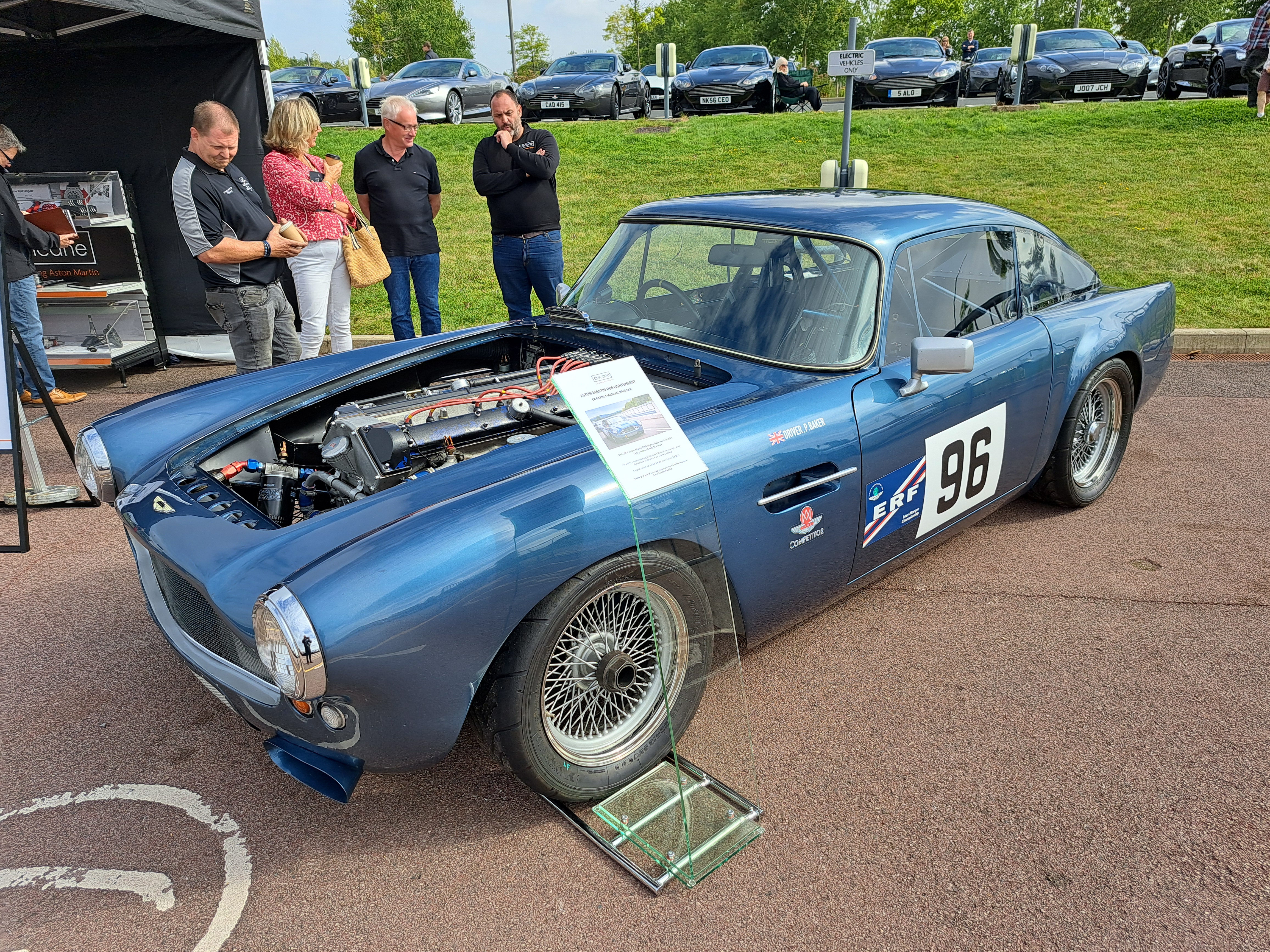
In 1913, Aston Martin had begun as Bamford & Martin, with owners Robert Bamford and Lionel Martin. Martin raced cars at Aston Hill, which is where Aston Martin gets half of its name from, the other half being the surname of Lionel Martin.



 The Travel Locker