
Christchurch Mansion, Ipswich
28 March – 14 June 2026
As one of the most celebrated landscape artists ever to have put paintbrush to six-foot canvas, the legacy of John Constable (1776-1837) reaches far and wide, including his name now being synonymous with the surrounding Suffolk and Essex countryside.
But how did the son of a merchant rise to such heights of artistic fame and legacy?
As part of the 250-year celebrations of Constable’s birth by Colchester + Ipswich Museums (CIMS), a new exhibition at Christchurch Mansion, in Ipswich, made possible by funding from The National Lottery Heritage Fund, will reveal stories about the people who helped turn Suffolk into ‘Constable Country’.
With over 100 works and objects, including portraits, sketches and landscapes by the artist himself and others, Constable: A Cast of Characters will delve deep into the background characters of Constable’s life; from family to early supporters recognising his talent, and the friends and patrons that sustained him during his long career. Continuing the family’s creative legacy, new works by internationally acclaimed sculptor Sasha Constable (b.1970) – a direct descendant of the artist – will also be displayed.
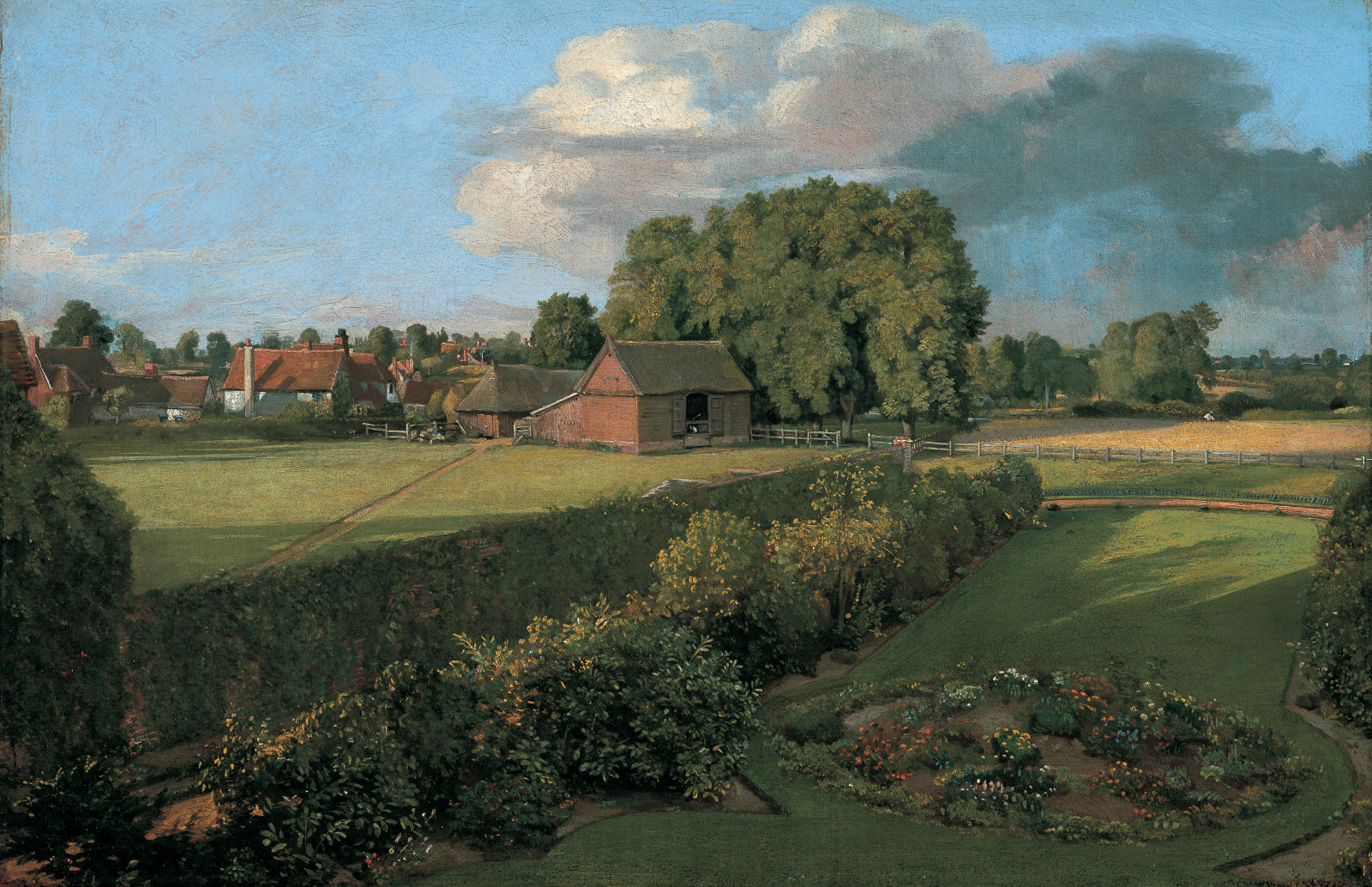
Golding Constable’s Flower Garden, August 1815
The very space for the exhibition will give people the chance to step into Regency Ipswich as Constable would have known it. Through photographic re-enactments, objects, period fashion, costumes and uniforms – and evoking the space of the Constable family parlour complete with letters – visitors will be immersed in the period detail of the time. Important items from Constable’s life will also be on display, including his wife’s wedding ring, an Onyx snuff box, a Royal Academy diploma, and his wooden paint box complete with pens, brushes, pigments, Royal Academy tickets and gemstones. Although immediately drawn to landscape painting, Constable undertook commercial portrait commissions out of financial necessity at the start of his career, and these also demonstrate his working methods and personal networks that would continue to serve him later.
Included are a group portrait of the Cooper Sisters from a local farming family around 1803-6, the seven-year old daughter of a Major General and patron (1808-10), supportive London neighbours Thomas and Emily Treslove (including a further alteration to make Mrs Treslove appear slimmer in 1826 which was only discovered recently), and an 1808 portrait of his cousin Jane Anne Mason from Colchester (Government Art Collection). This picture will be shown for the first time with a graphite portrait that Constable made in a scrapbook, suggesting a preferred method of beginning with a gentle graphite sketch where the image would be later developed in oils.
Early book illustration for an Ipswich bookseller demonstrates how important the town was for him at the beginning of his career, including graveyard scenes to accompany a book of epitaphs.
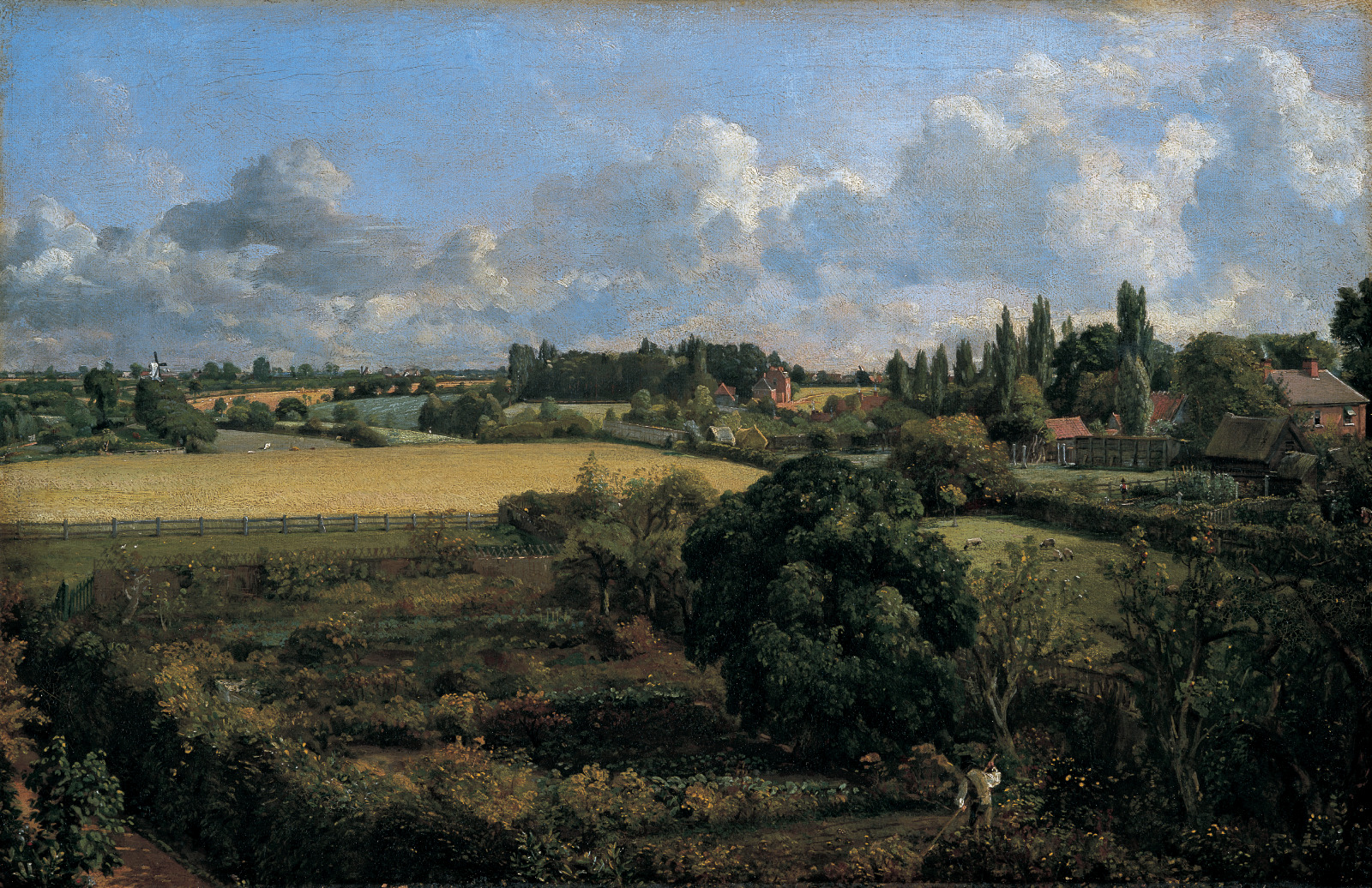
Golding Constable’s Kitchen Garden, July 1815
A significant cultural figure in the region was Elizabeth Cobbold, who nurtured the arts scene in Ipswich, and she helped Constable with a network that would lead to his entry into the Royal Academy Schools. A portrait of Cobbold – currently by an unknown artist – is included. Life drawings of both male and female nudes from his time at the school demonstrate how he developed his drawing technique, which would later help him to quickly capture the fleeting light and shadow of East Anglian landscapes.
And following commissions led to some rare subjects. Thanks to the East Anglian churches, religious pictures were pursued, including Study for ‘Christ Blessing the Children’ (1805) part of a major altarpiece for St Michael’s Church in Brantham and connected to the disapproving grandfather of his future wife, and St John (date unknown) – an ink and wash work – allowing him to copy and learn from the Old Masters. A study for a mythological creature The Mermaid (1829) was intended to be a sign at a Warwickshire inn and undertaken out of personal loyalty to a patron.
Portraits of Constable’s family will be on display, including his parents, an encouraging uncle, and younger brother Abram who took charge of the family business in support of his older brother’s artistic ambitions. And sometimes it wasn’t portraits that were important – for instance, consumed with grief after his mother died he chose to paint a view of her garden instead – Ann Constable’s Flower Garden (1815). There will also be tender drawings of his children, including one of his daughter Maria holding the youngest of Constable’s seven children, Lionel, completed shortly after their mother died from tuberculosis.
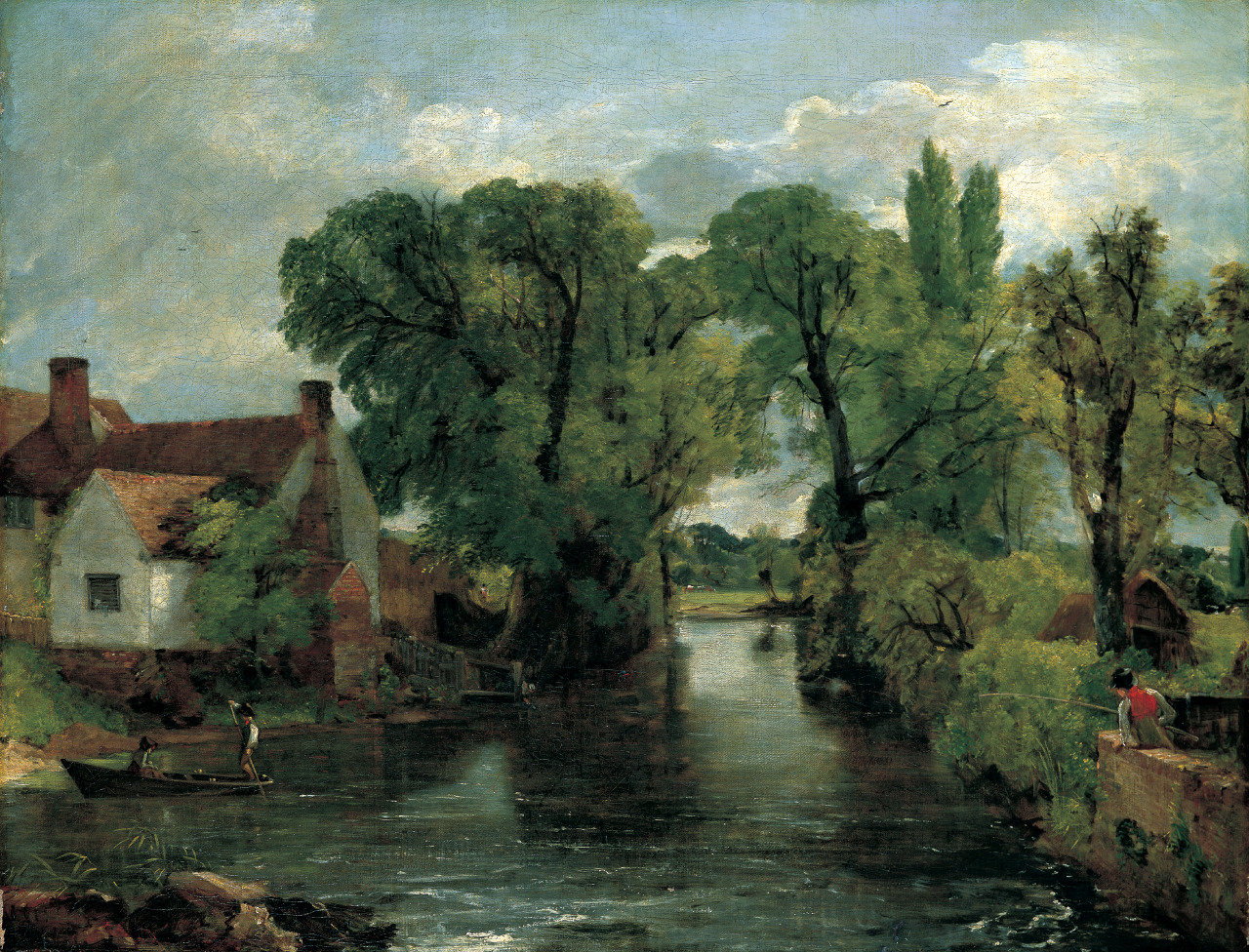
The Mill Stream c.1814
Family was important to Constable, even after the despair of losing his much-loved wife, Maria. Family keepsakes will give a glimpse into this personal aspect of his life – including embroidery by a then-unmarried Maria Bicknell, a sampler by his youngest daughter Emily, and a mammoth tusk discovered in Suffolk that he had collected to stir a fascination in his children for nature and science.
Locations that held emotional resonance to Constable were also executed in detail – even if some were to remain private. His family home in East Bergholt was a scene he would return to and include on the front page of a series of prints, but some of the views including that of the garden and the family-owned mills in the background would be painted just for himself.
Work from several artists who influenced Constable will also be included. He held a deep admiration for the greatest landscape artist of his time, the fellow Suffolk-based Thomas Gainsborough (1727-1788), often travelling to Ipswich to see the locations he had painted first-hand. View near the Coast (about 1750-55), reminiscent of scenes along the Orwell, and Holywells Park (about 1748-50), situated just east of Ipswich town centre, will be on display.
An early mentor to Constable was George Frost (1744/45-1821), with the pair regularly going out sketching on the banks of the Orwell, and Frost’s The Common Quay, Ipswich (1820) shows one of these scenes, as well as Constable’s own drawing of a steamship in the area. Two works by Constable’s only studio assistant John Dunthorne Jr – a self-portrait and Cottage at Bramford (1817) – will show Constable’s own influence on those around him.
And bringing family work to the fore will be a series of new sculptures by Sasha Constable based on the family archive. Combining technical precision with expressive form, the works will include a re-working of a Constable self-portrait in Portland stone, a response to The Cornfield investigating the health of Suffolk’s rivers in present day, and a specially designed Family Tree. Also included will be a portrait by her son Valya Constable which was selected for display at the Royal Academy in 2021.
Through the cast of characters that populated Constable Country – that helped his personal and professional life and ended up in the finished paintings themselves – this exhibition will offer a new and unique view of one of Britain’s most enduring artists.
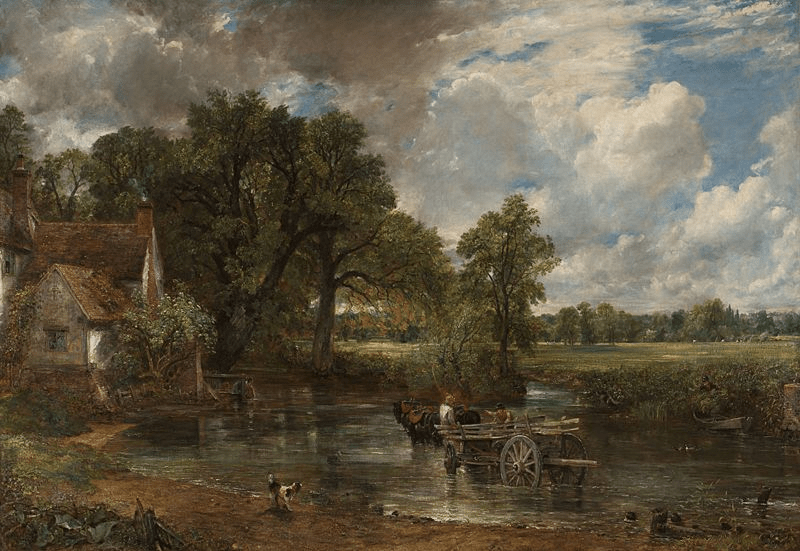
The Hay Wain, John Constable, 1821 (c) The National Gallery, London
Emma Roodhouse, Art Collections & Learning Curator at Colchester + Ipswich Museums, said: “Marking this anniversary year, the exhibition opens up the wider world around Constable, his family, friends and supporters, revealing the social networks that shaped his artistic development, and connecting them with the contemporary through the work of Sasha Constable.
“We can’t wait for visitors to discover unexpected moments and gain a richer, more expansive understanding of Constable’s story and legacy.”
Councillor Carole Jones, Ipswich Borough Council’s Portfolio Holder for Planning and Museums, said: “Ipswich is incredibly proud to host what will be an unrivalled display of Constable’s work, bringing together masterpieces – including The Hay Wain – and rarely seen treasures in his home county for the very first time. Thanks to the remarkable partnerships behind Constable 250, visitors will experience a once in a lifetime gathering of world-class artworks that celebrates not only Constable’s extraordinary influence and impact, but the people and places at the very heart of his story.”
Constable 250 is made possible with The National Lottery Heritage Fund. Thanks to National Lottery players, we will be able to explore Constable’s art and legacy through 2026. Loans for Constable 250 are supported by the Weston Loan Programme with Art Fund.
FOR MORE INFORMATION AND INTERVIEWS
Tracy Jones, Brera PR – tracy@brera-london.com / 01702 216658 / 07887 514984 / www.brera-london.com shared this file and images.
 The Travel Locker