
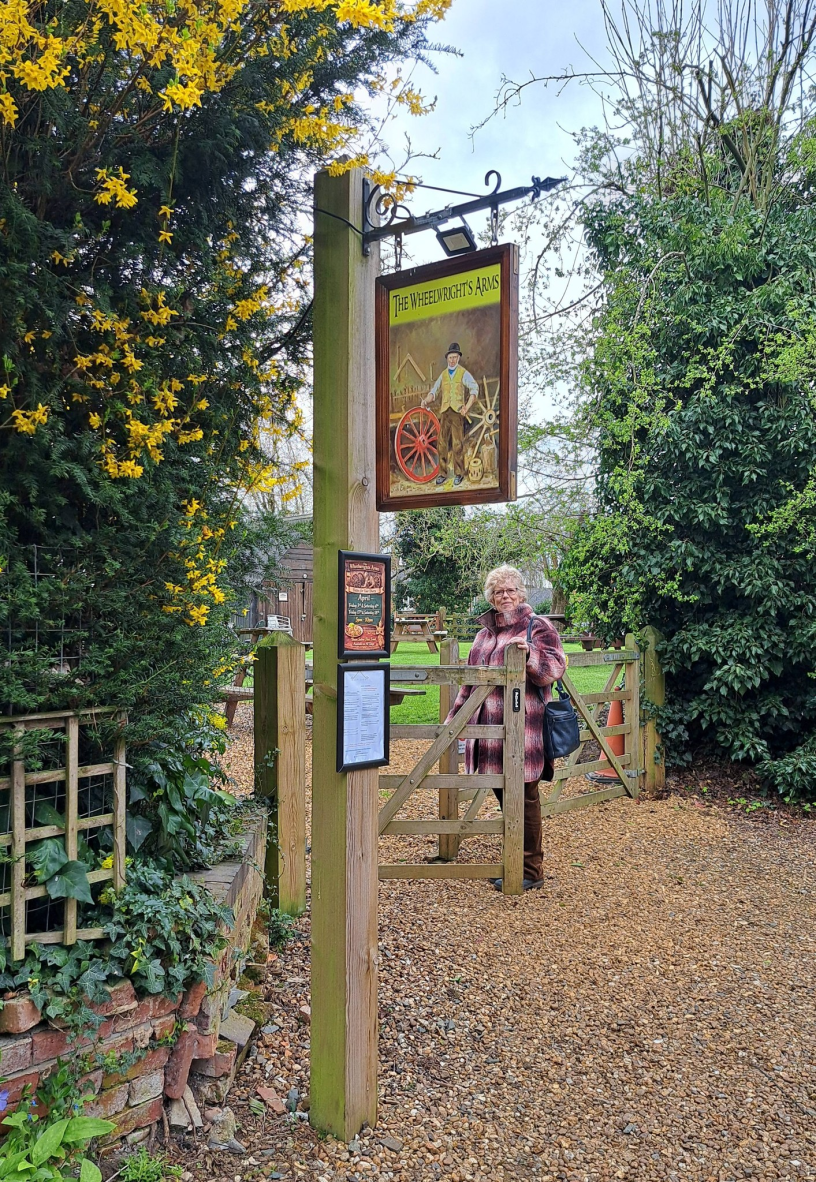
Out & About: The Wheelwright’s Arms at Watford Village – I will return!
Recent figures have shown that over thirty pubs a week are calling time on last orders with the closures worst in the rural areas of Britain. There are many reasons why so many of our village pubs are continuing to close. Competition from supermarkets offering cheap deals on alcohol, fewer people visiting our pubs, the increasing costs of energy & finding suitably qualified staff, so it is very encouraging, to come across a new pub to me, which is thriving within its local community, during these very difficult times for the pub & hospitality sector.
Watford is a village in West Northamptonshire with a population of about 224 people, close to the Watford Gap services, the UK’s oldest motorway service station, on the M1 motorway and situated alongside the West Coast Main Railway Line, which was served by the nearby Welton railway station, between 1838 until 1958, when it sadly closed.
Following the closure of its three village pubs, the Stag’s Head, The Henley Arms and Barley Mow, which was on the opposite side of the road in 1906, a community project was set up to return a public house to the village. The Stags Head, to be found near the motorway, is presently open as a restaurant.
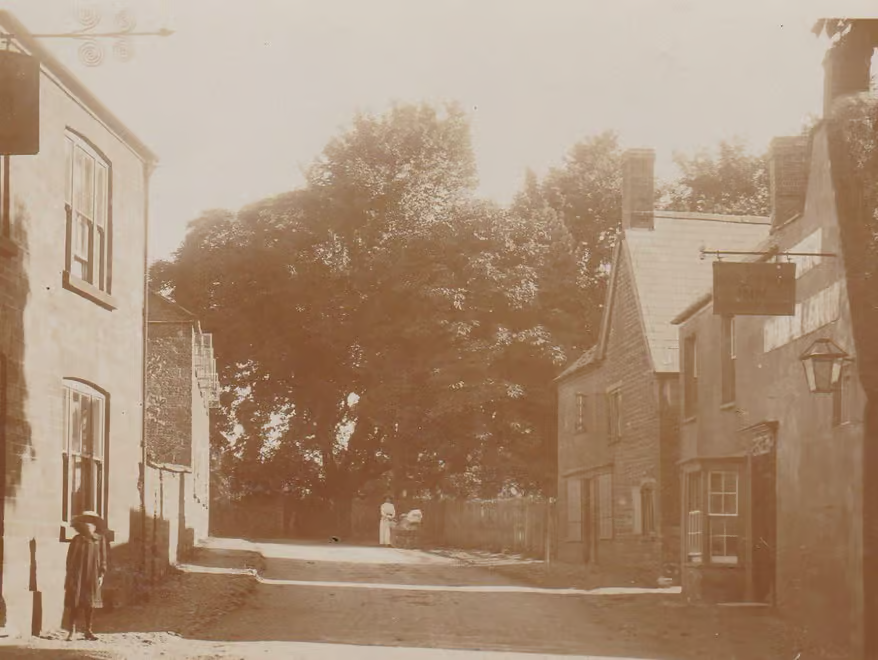
Watford 1906 showing the Henley Arms Pub on the left and The Barley Mow Pub on the right.
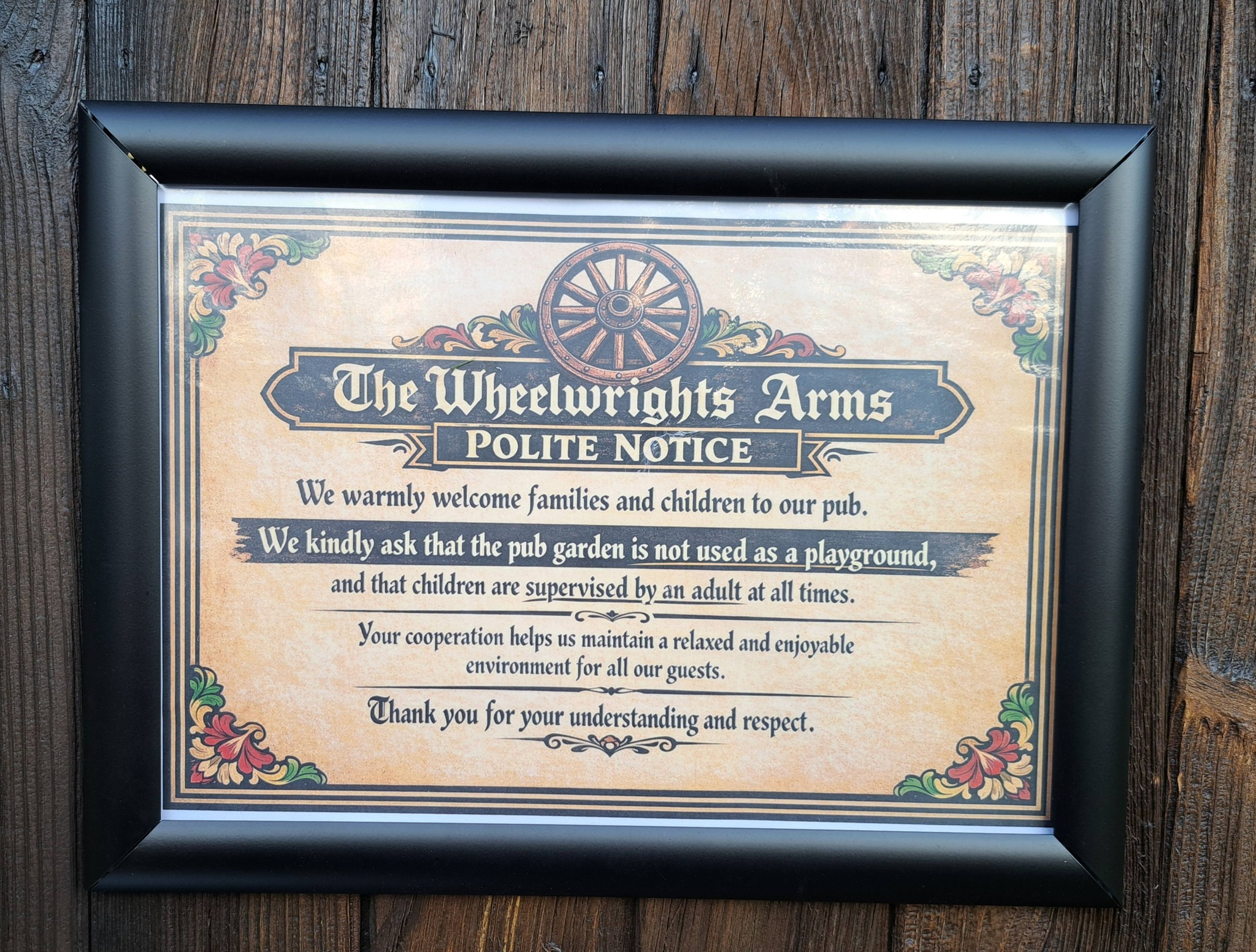
The Wheelwright’s Arms at Watford Village is a very small pub, you would be pushed to get more than fifteen people in the main bar, which has been created inside an old farm building, in a large field, which is many times larger than the pub itself.
On the early evening that I visited, a quarter past five on a Good Friday Bank holiday, I could not believe there were so many people already in attendance, enjoying the excellent Baan Sabai, Authentic Thai food and the good range of drinks, which were on offer.
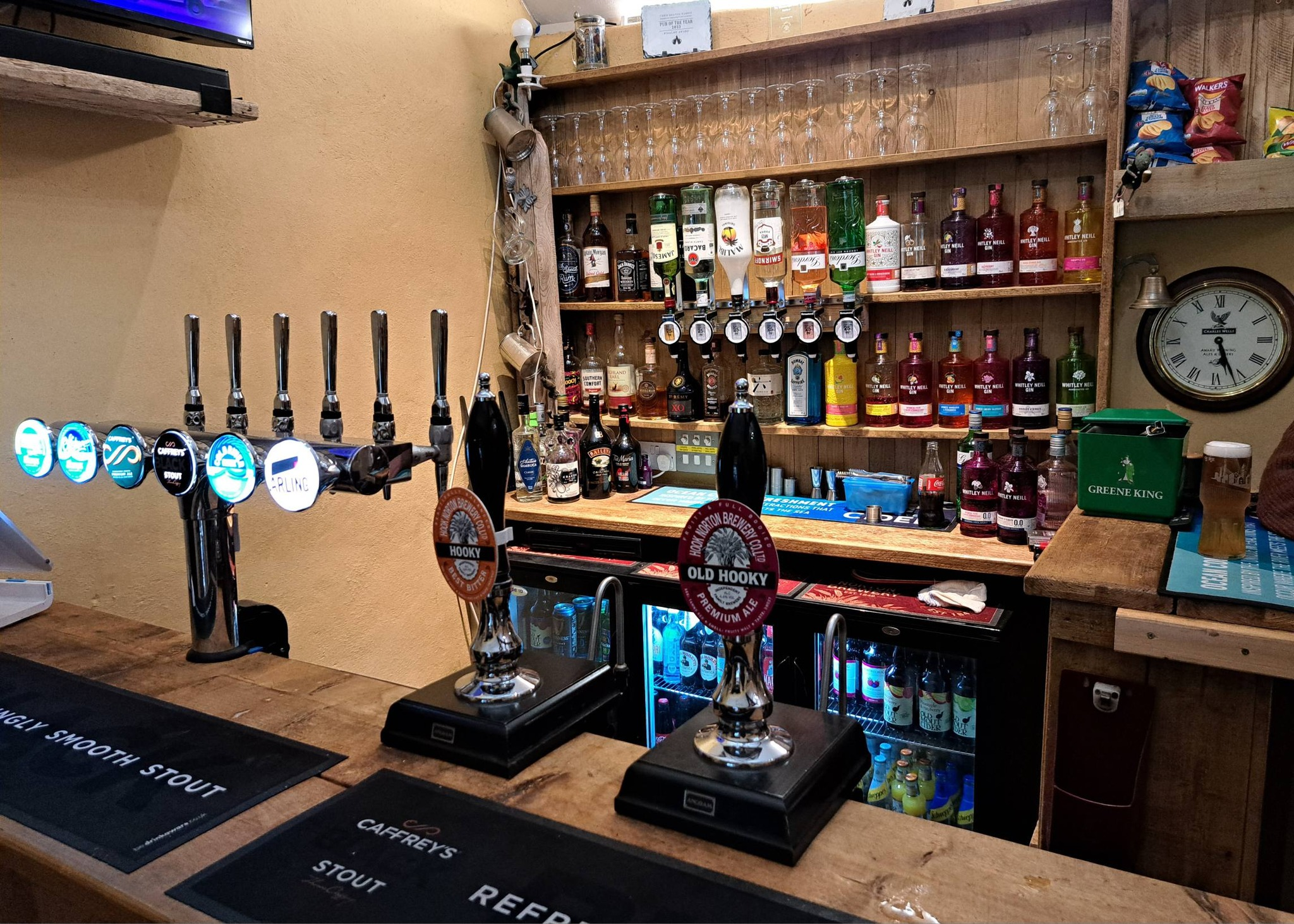
Two of the ales on tap were from the Oxfordshire Hook Norton Brewery, which I was very happy about, a choice of Old Hooky ABV: 4.6% or Hooky ABV: 3.4%, a couple of pints went down very well with my selection of Thai food, which was excellent.
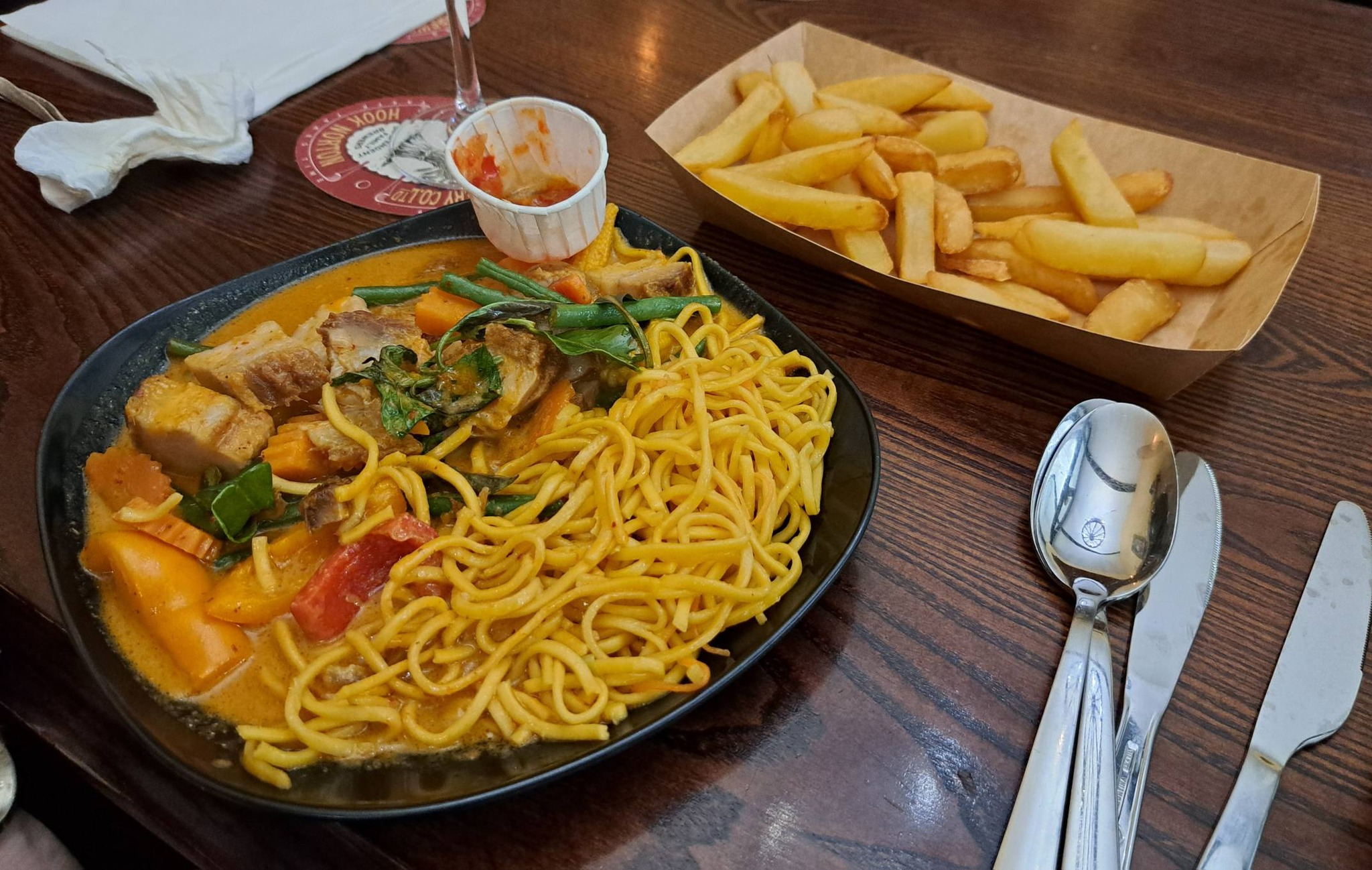
There was a wonderful atmosphere within the pub including families with children, dogs with their owners and a good mix of young and older patrons from within the village and beyond.
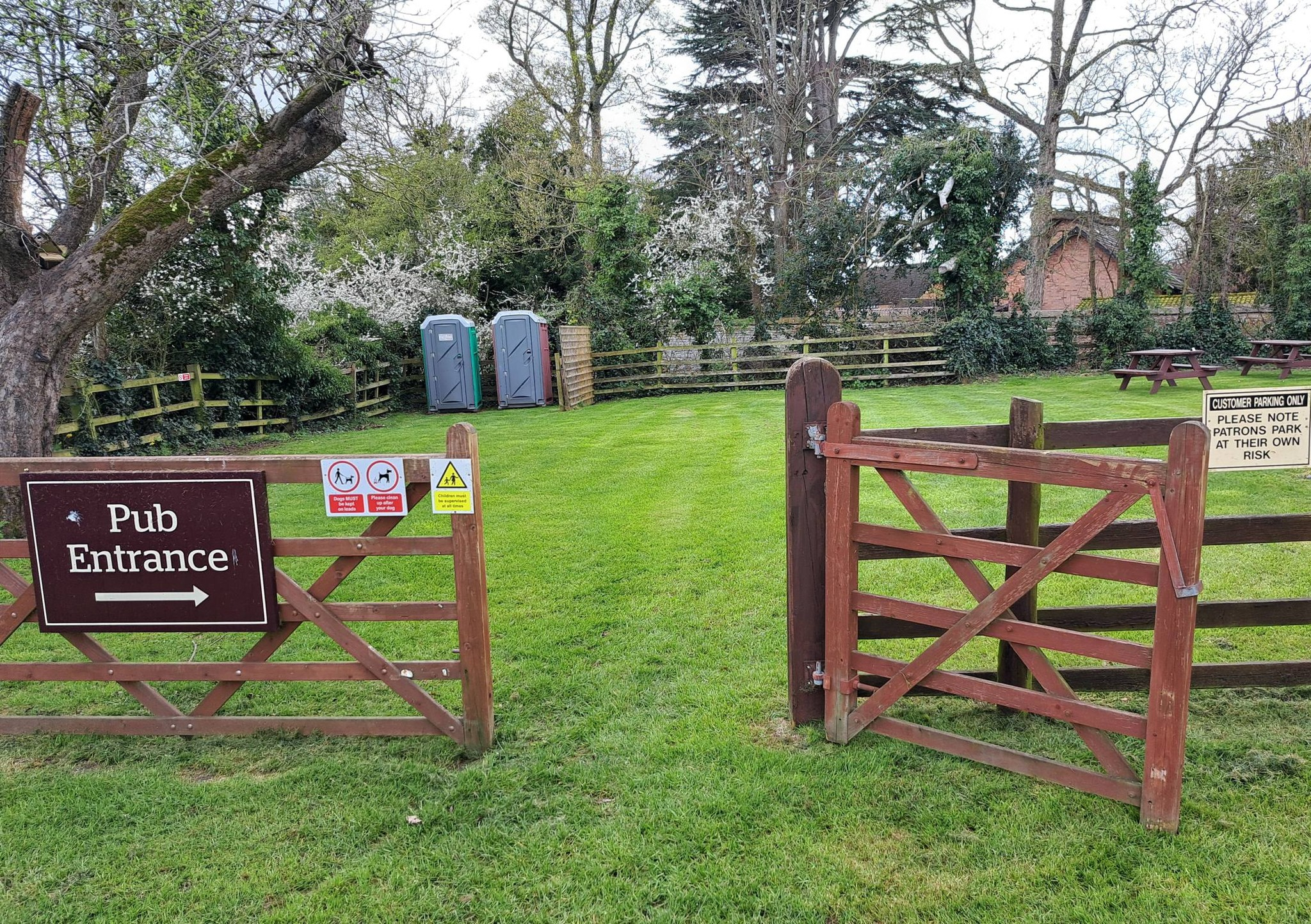
There is plenty of car parking available in an adjacent field and look out for a lone Alpaca, proudly surveying their kingdom.
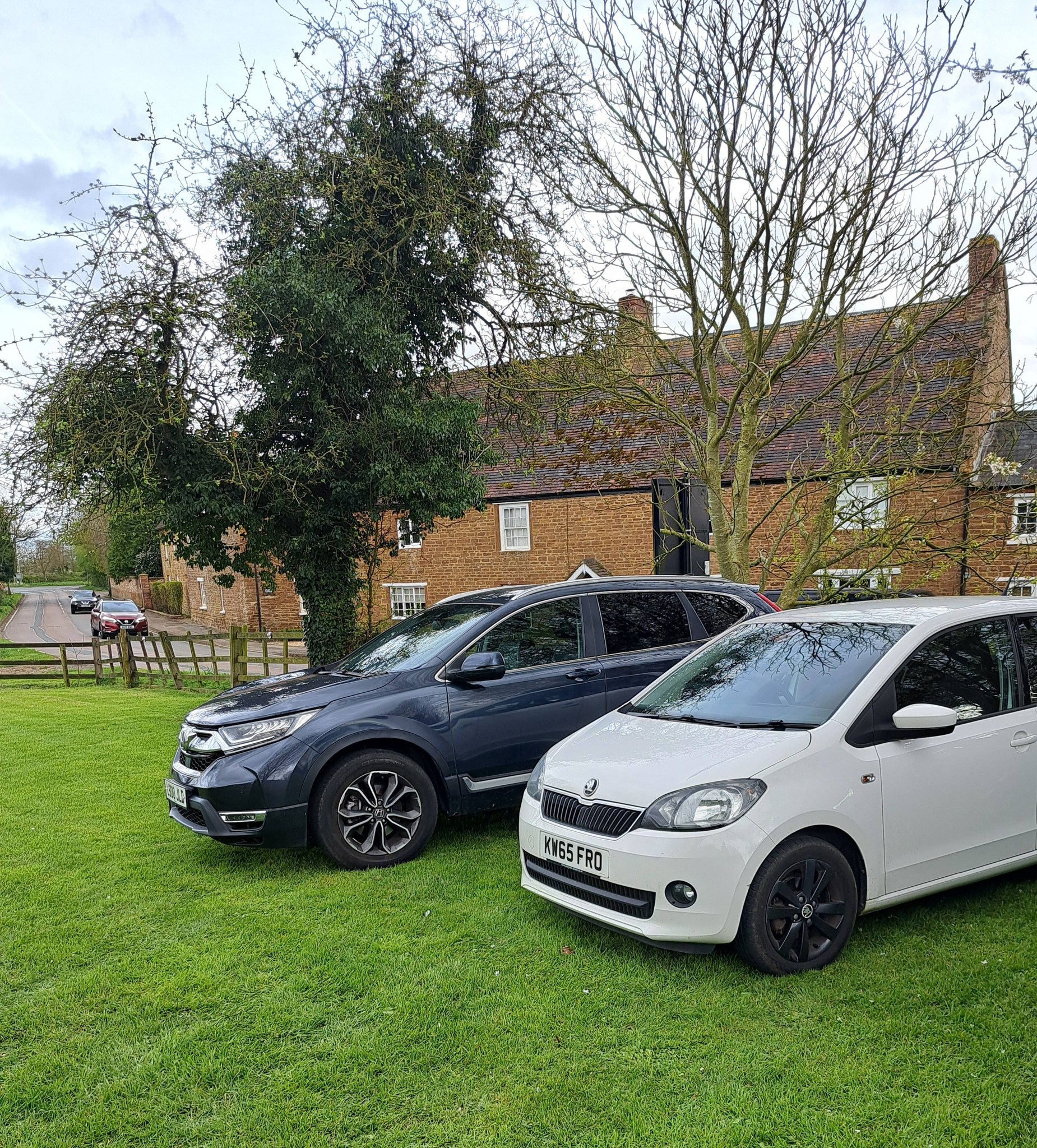
If you are visiting the west Northamptonshire coutryside or the town of Daventry, why not drop in to the village of Watford and visit the village pub, The Wheelwright’s Arms, but be sure to check their Facebook page first, because they are restricted as to how many times a week, they can open up their doors, because of their license stipulations.
I would fully recommend a visit to The Wheelwright’s Arms at Watford Village for a meal and or a drink, you will not be disappointed! I had a wonderful time and I will return!
Did You Know?
Watford simply means `Waet – Ford, , “a ford used when hunting” or “full of water”. There is some evidence of a Roman settlement at Bannaventa near to the villages of Norton/Whilton, a few miles south on the A5 (Watling Street).
One of the Pilgrim Fathers Thomas Rogers, was born in the village of Watford in 1572. Thomas & his son Joseph, aged about 18, went to North America on the Mayflower in 1620. Thomas soon died, as did many other of the Mayflower passengers, during their first winter in Plymouth Colony, during 1620-21 but his son Joseph lived a long life and became recognised in the colony as a person of some status..
The village is also closely linked to the formation of the UK’s first Police Force as well as not one, but two Prime Ministers. Local amateur historian Dan White, who runs Facebook’s Watford Village History page, said: “In 1824 Harriett Eleonora Peel, the sister of Sir Robert Peel, married Lord Henley of Watford. Her brother was Prime Minister from 1824-1835 and again between 1841-1846.
“Sir Robert was also responsible for the introduction of the first properly organised police force, thus giving rise to policemen being known as ‘Bobbies’. Further again and into the 20th century, its Prime Minister Anthony Eden who became the local attraction on his regular visits to his relatives at the stately manor of Watford Court.”
The church of St Peter & St Paul hosts a wealth of information on Watford’s past. Even the ornate stained glass windows hold secrets to the once grandeur of the Henley and Eden family, who even today own much of the surrounding countryside.
“One of the oddest things we’ve discovered comes from the days of ‘Knights of the Realm’. When Sir Eustace de Watford – once Lord and Master of the area died, not only was he entombed within the village church itself but he insisted he was buried whilst seated on his horse and in his full Knights regalia.”
The church is open for visitors on Wednesdays and Sundays and is well-worth a visit.
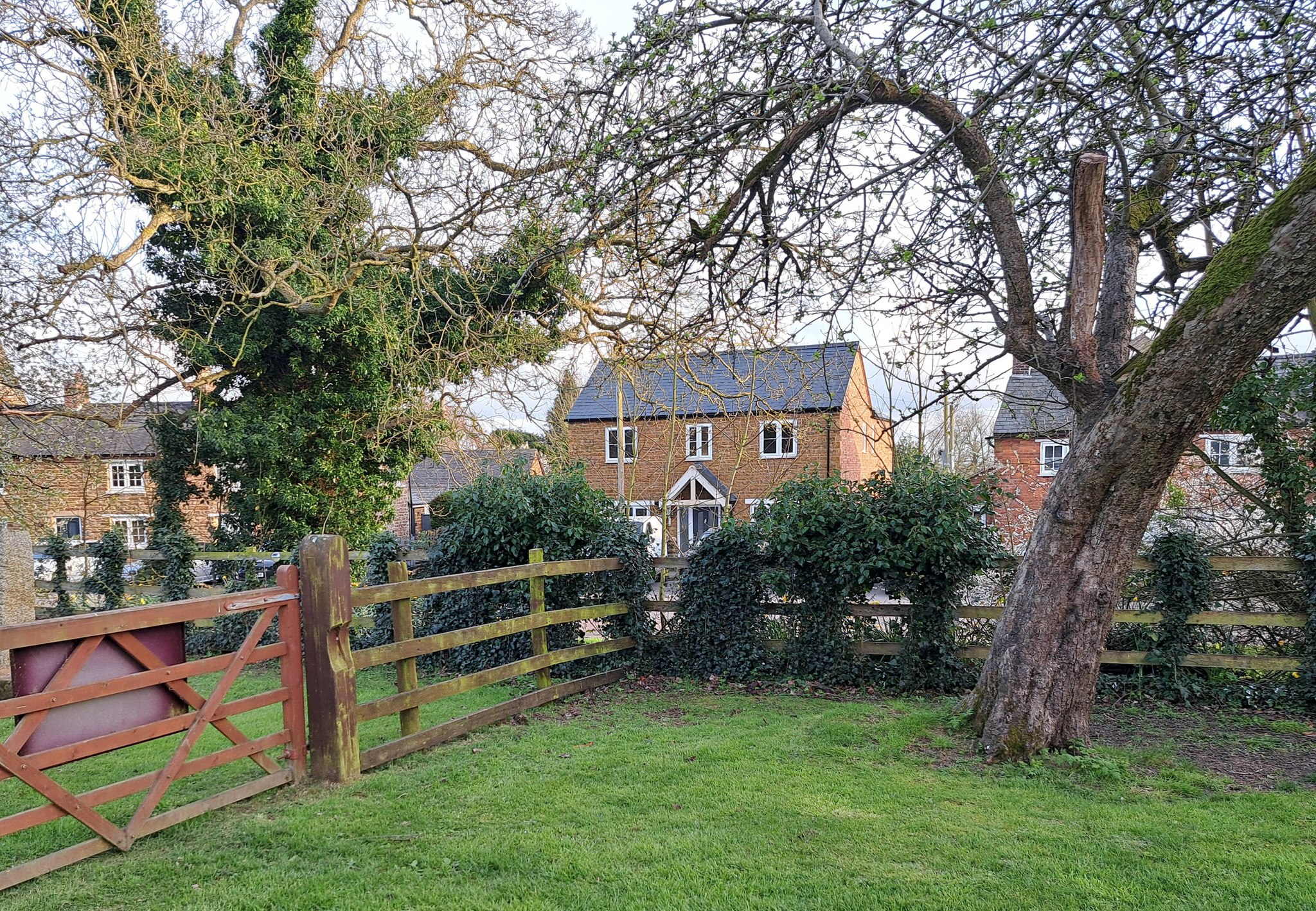
Watford Village from the pub car park
All photographs are mine, except for the picture of the two pubs, courtesy of Daventry Express website.

