I was very much looking forward to visiting Oslo, the capital city of Norway on my Baltic cruise with Princess cruises. I had pre-booked a Stromma, Hop – On and Hop – Off bus to explore the city in the time that I had got ashore. As soon as I left the ship, Sapphire Princess, I was able to board the Ho Ho from the quay. My plan was to stay on the bus until I reached, the Norsk Folkemuseum or the Norwegian Museum of Cultural History, one of Oslo’s must-see attractions. I had read a lot about the open – air museum and I was very much looking forward to exploring this spacious site.
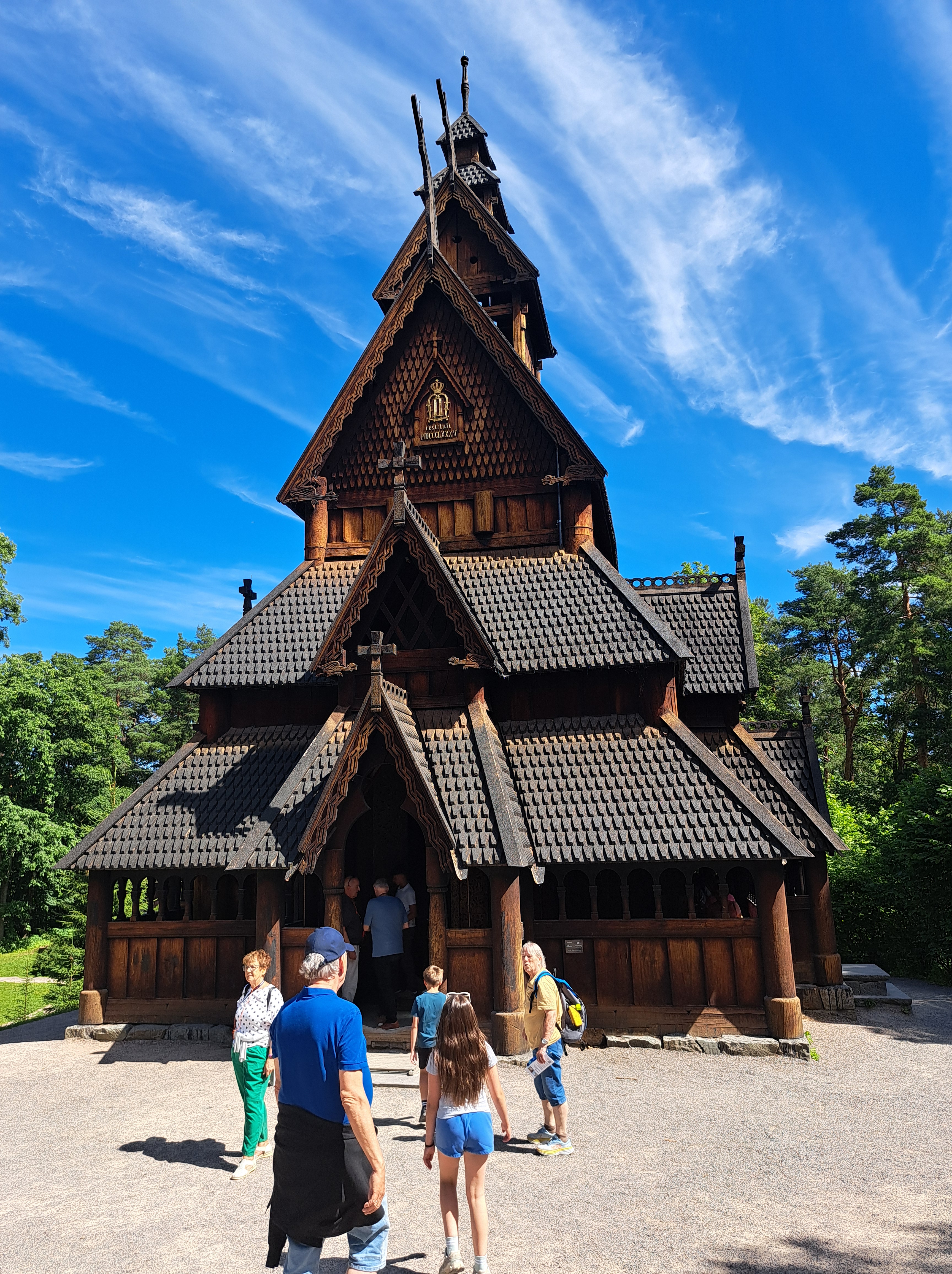
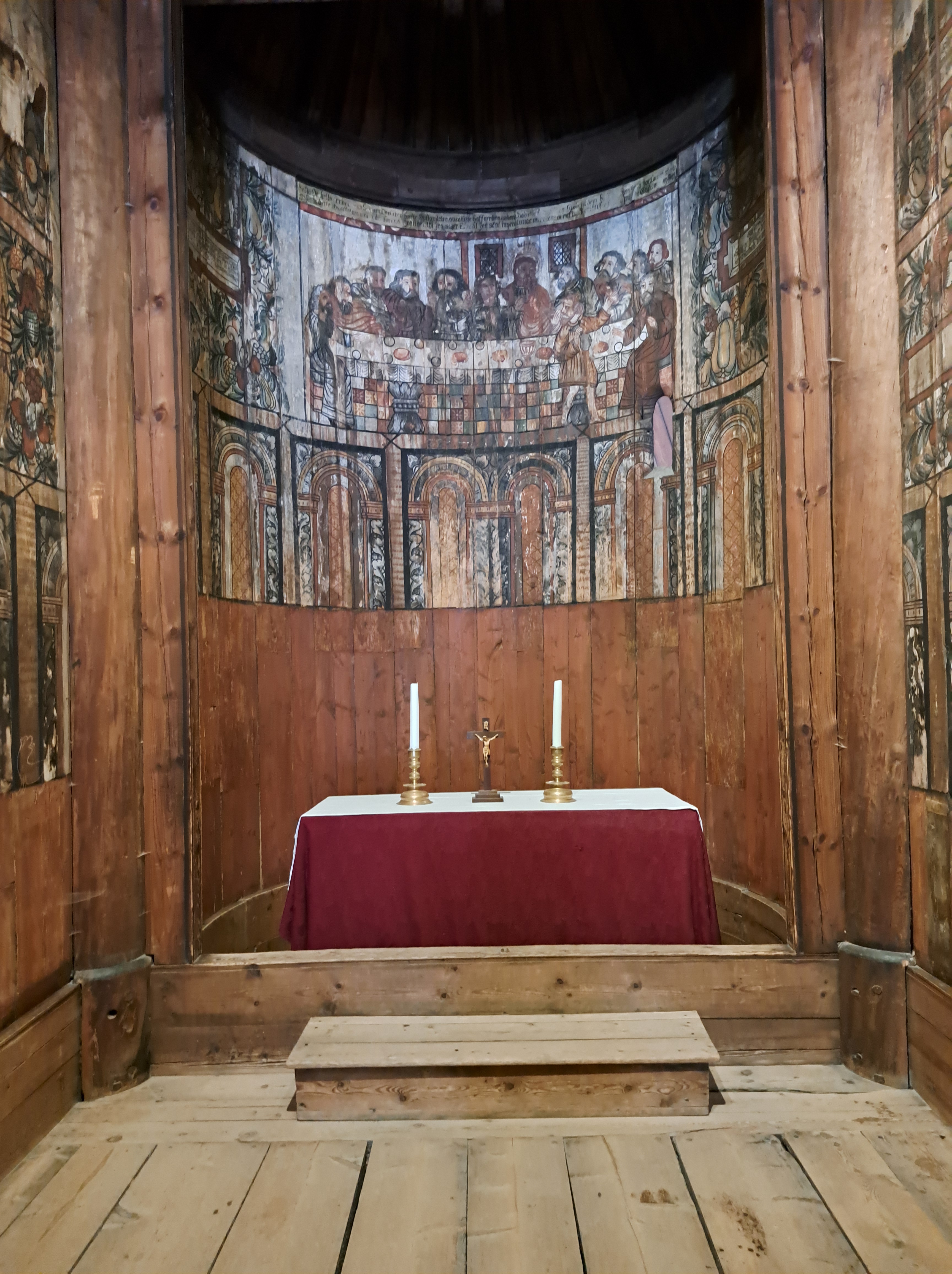
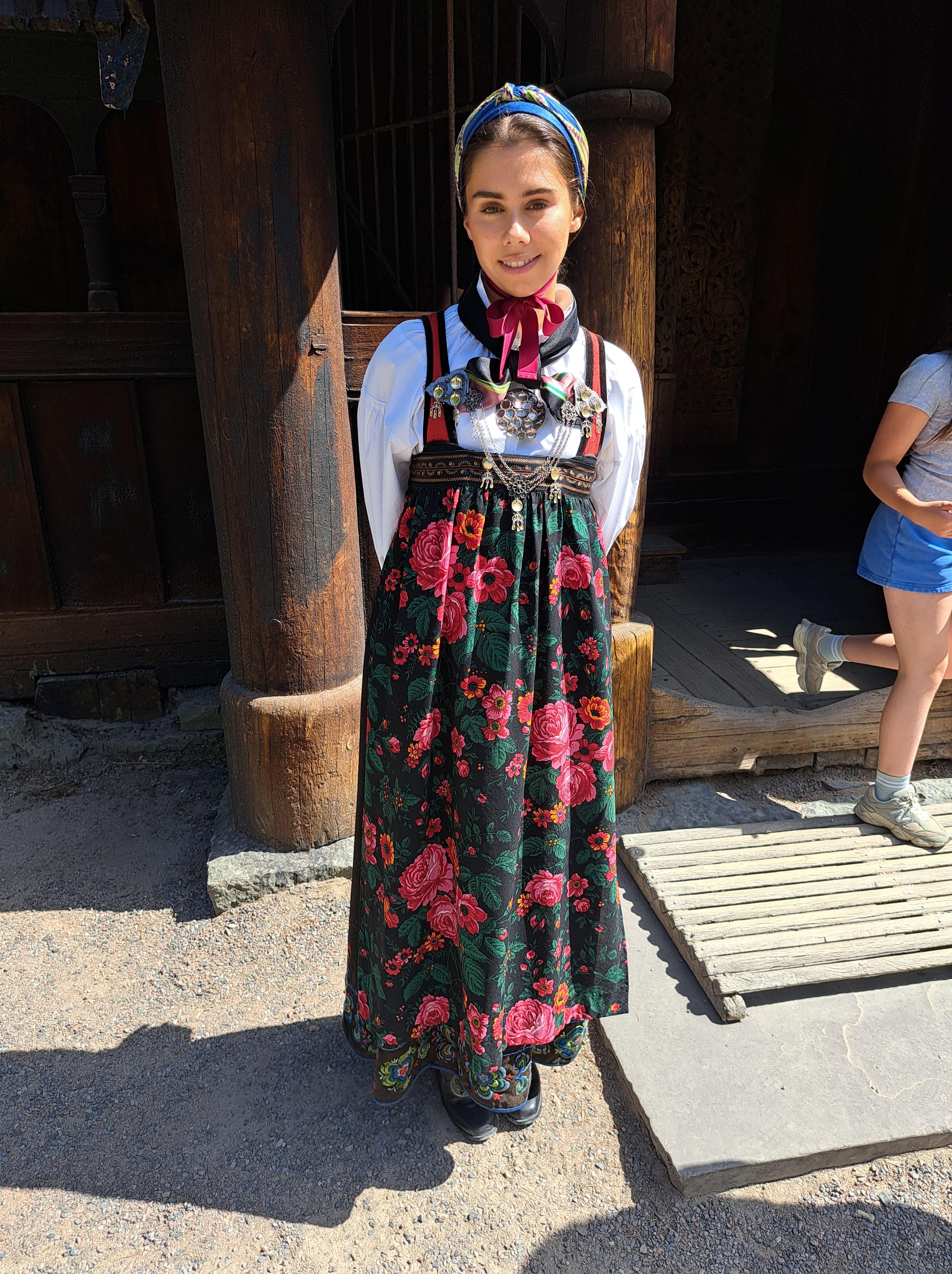
One of the first buildings I headed for in the museum, was the Stave Church from Gol, it is one of the most popular sights at the Norsk Folkemuseum. The Gol Stave Church, built over 800 years ago, is one of only 28 surviving stave churches in Norway. Walking inside is a unique experience with fine medieval craftsmanship, plenty of intricate woodwork and eight centuries of history. The interior is quite dark, but it is possible to pick out many of the carvings of animal & human figures and many geometric symbols. The original west portal and south portal, which is a copy from 1884, are both carved with entwined dragon and plant motifs. I thought it looked stunning, a view shared by many of other visitors, who were queueing to enter this historic building.
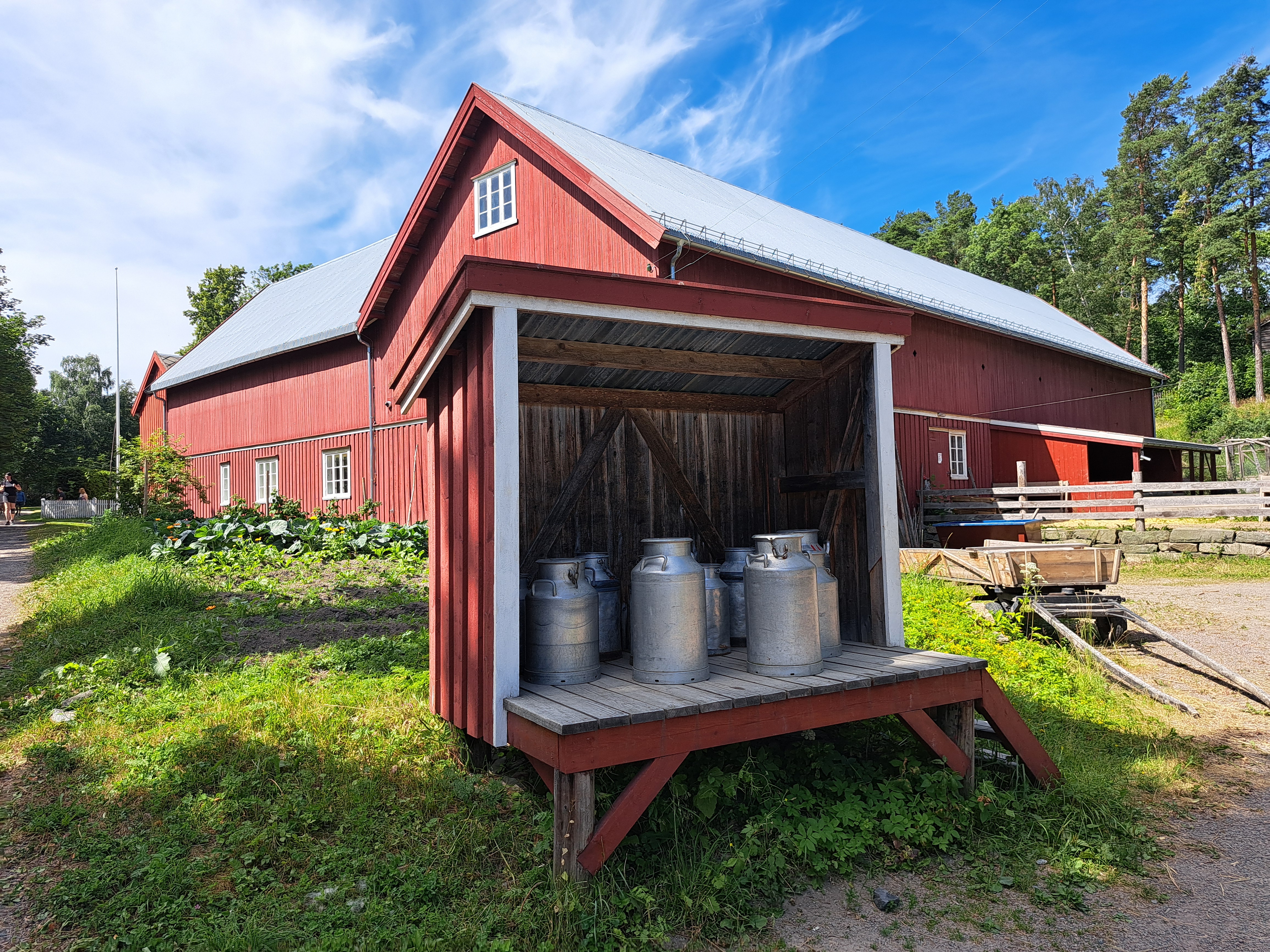
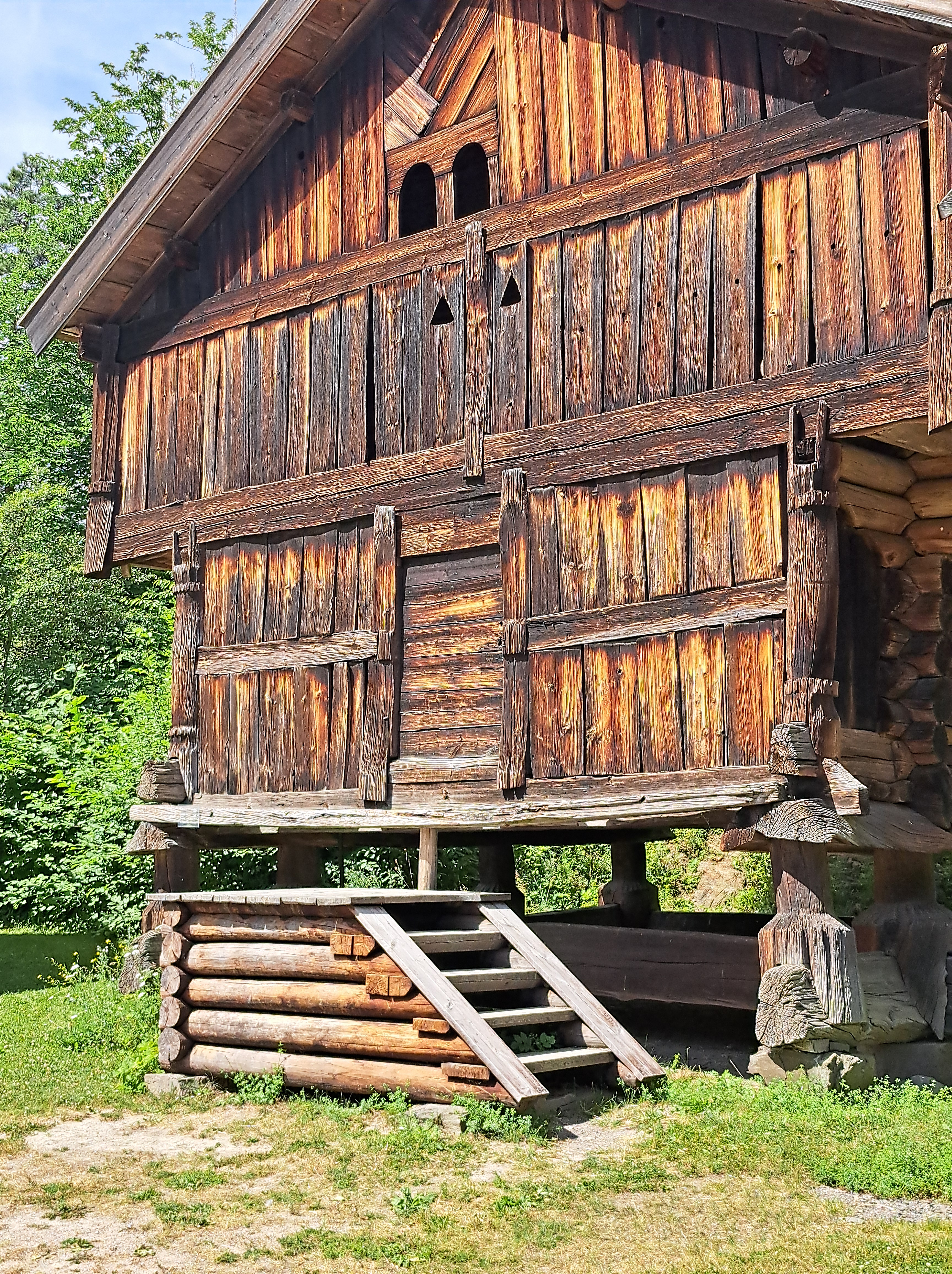
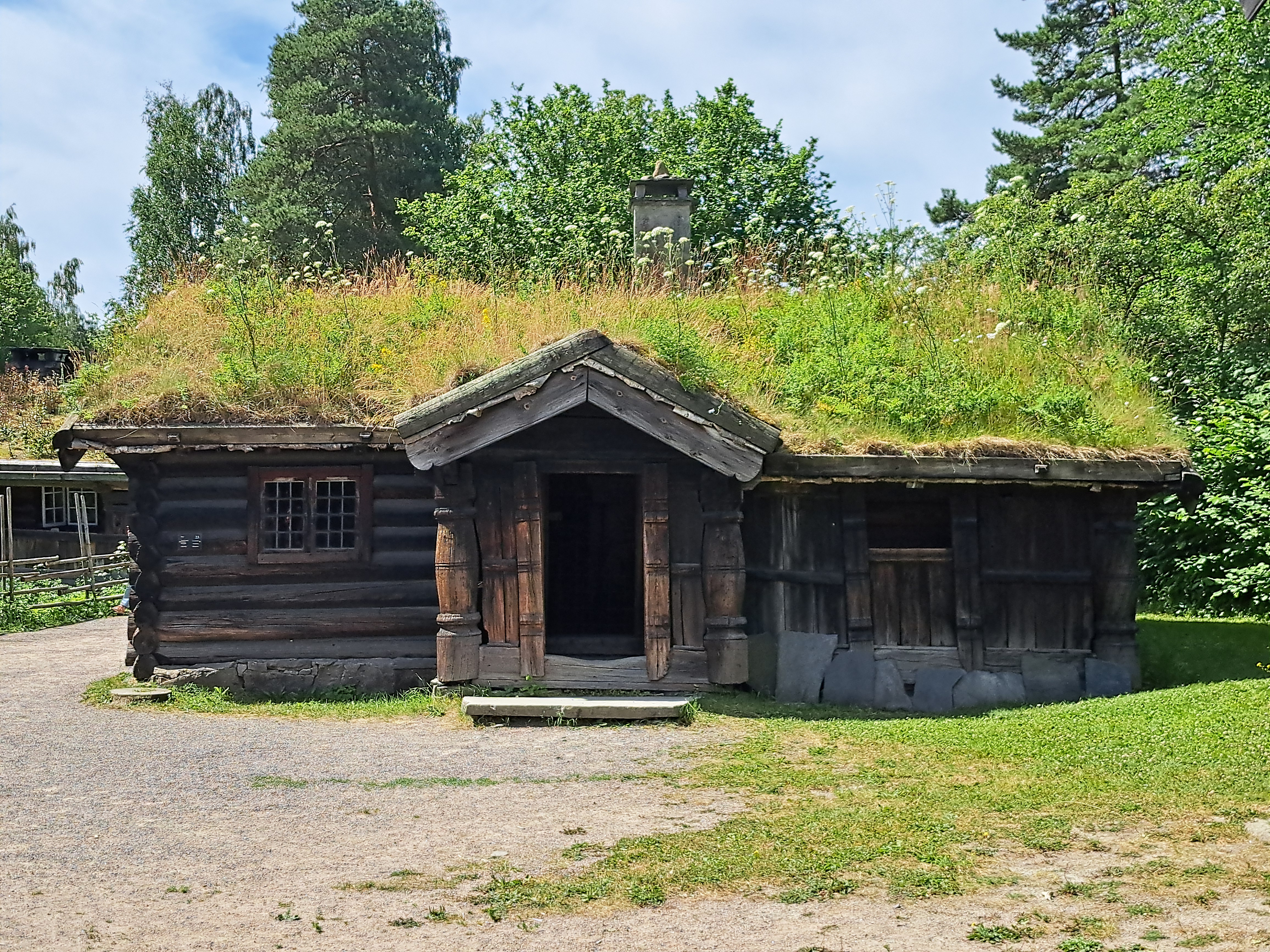
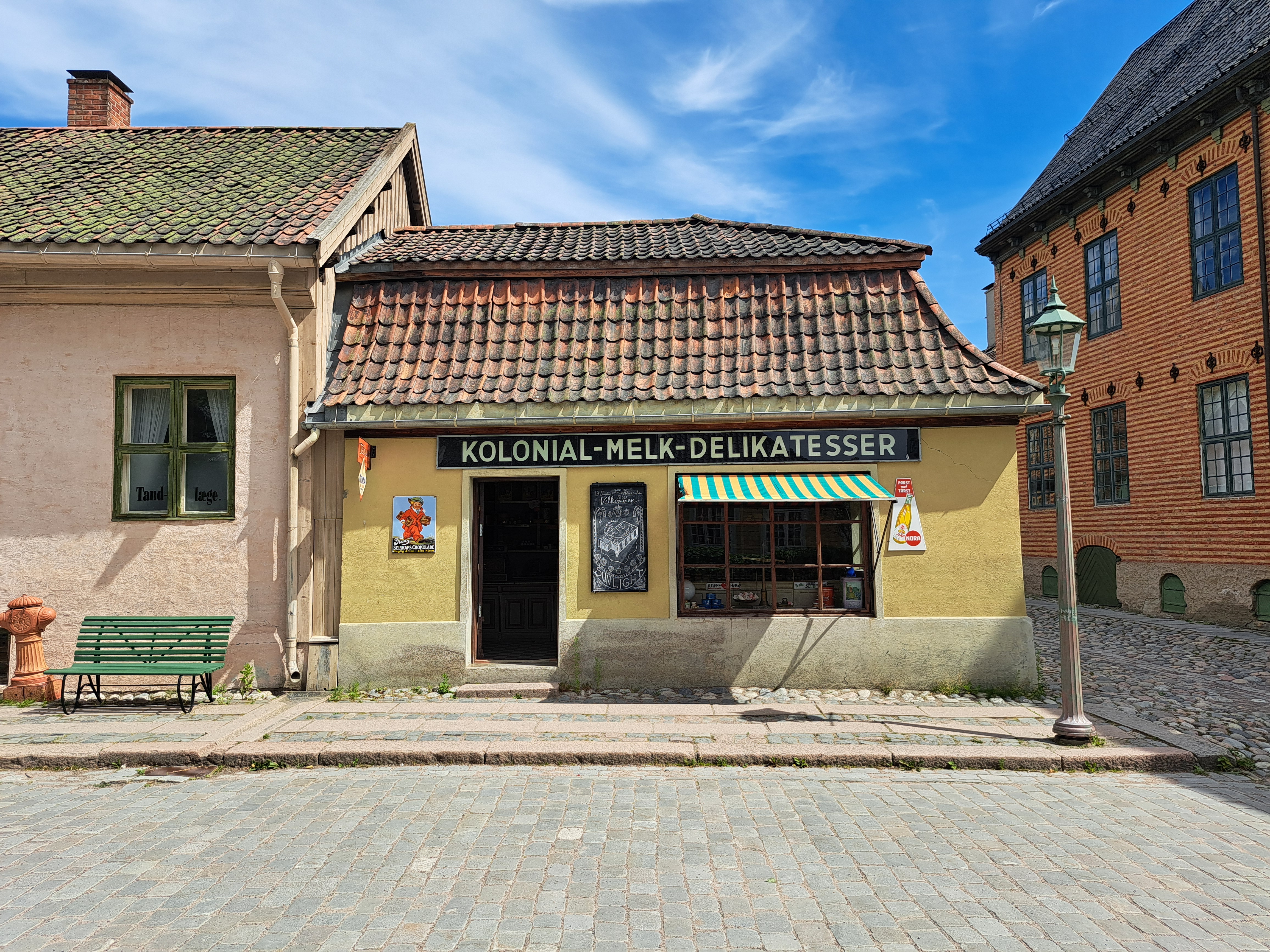
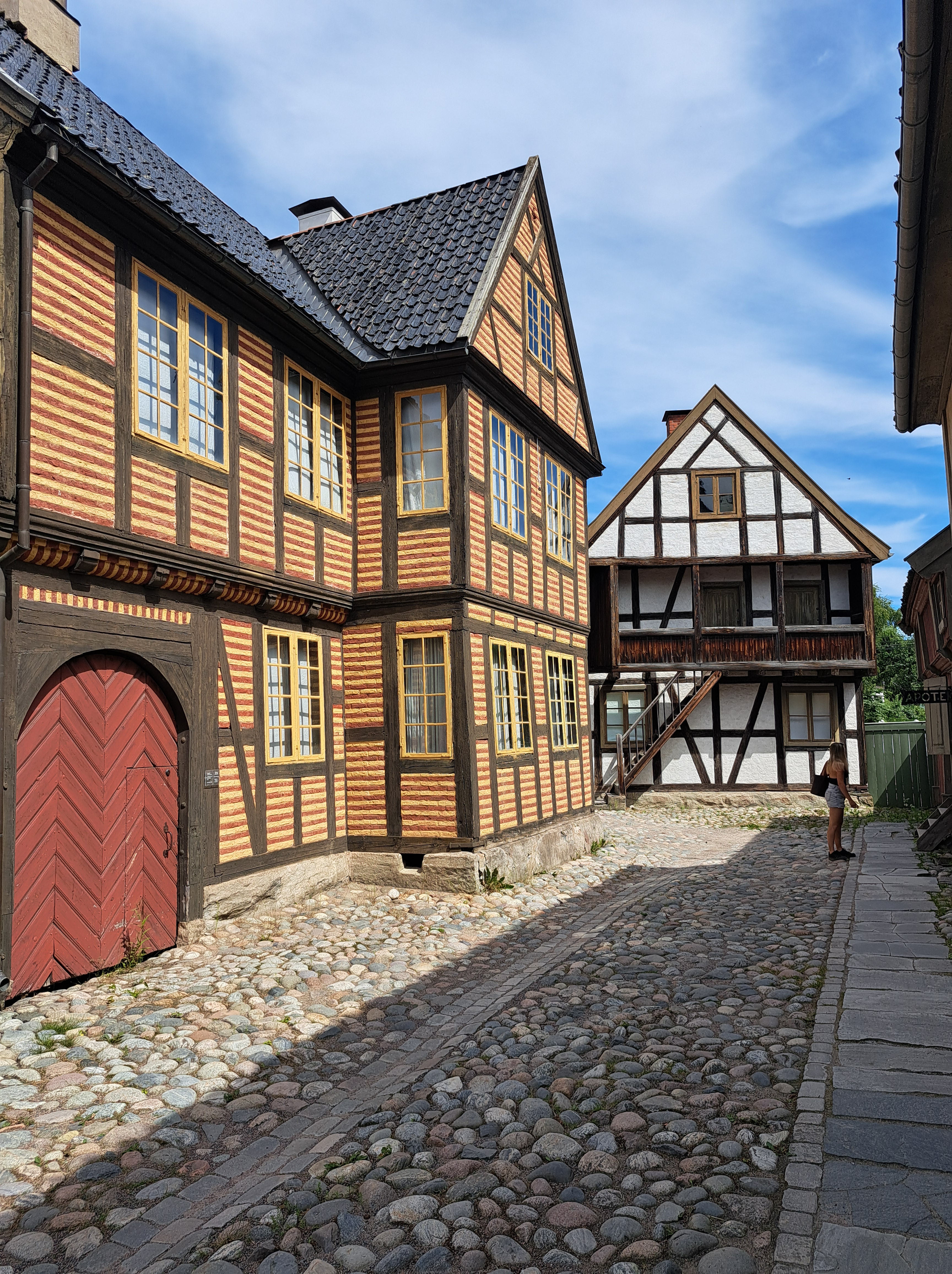
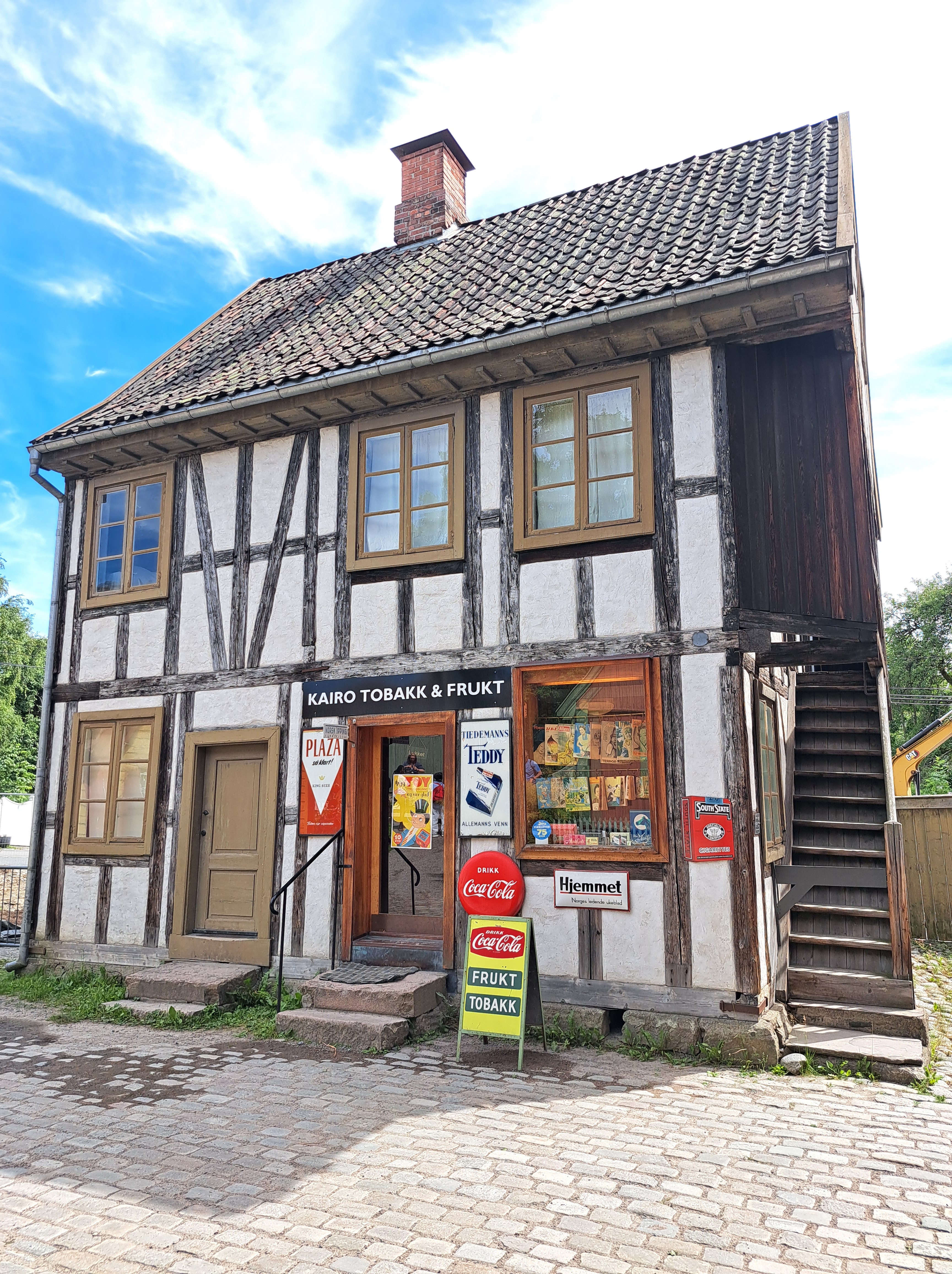
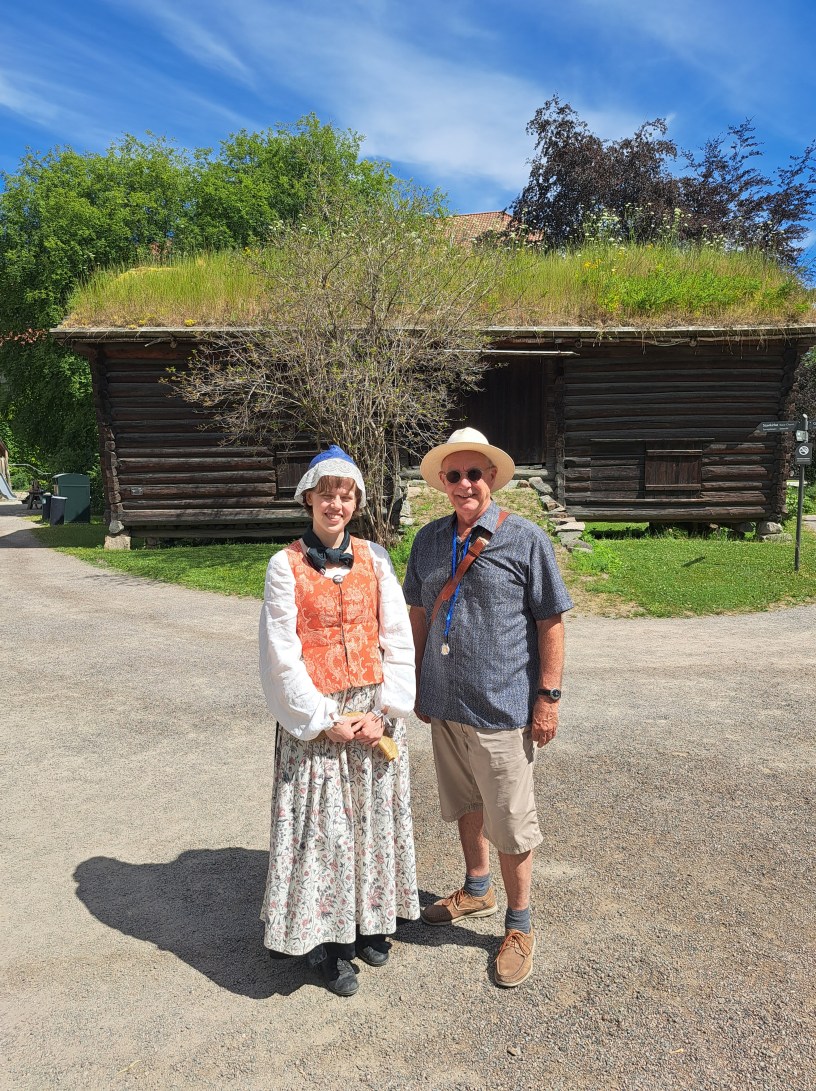
Many museums can be quite stuffy and formal, but this museum is a breath of fresh air, literally, displaying a very interesting collection of 160 ancient buildings, so I was happy to walk from one building to the next, entering briefly to look at the interiors, then quickly moving on to another. A number of costumed young guides welcomed me into many of the historic buildings, making it very much a living museum, not just a collection of dusty artifacts. In one building, I was able to purchase and enjoy a traditional flatbread, which had been baked over open fires. I didn`t get to see any of the folk musicians or dancers, but they had been performing at various times throughout the day, across the site.
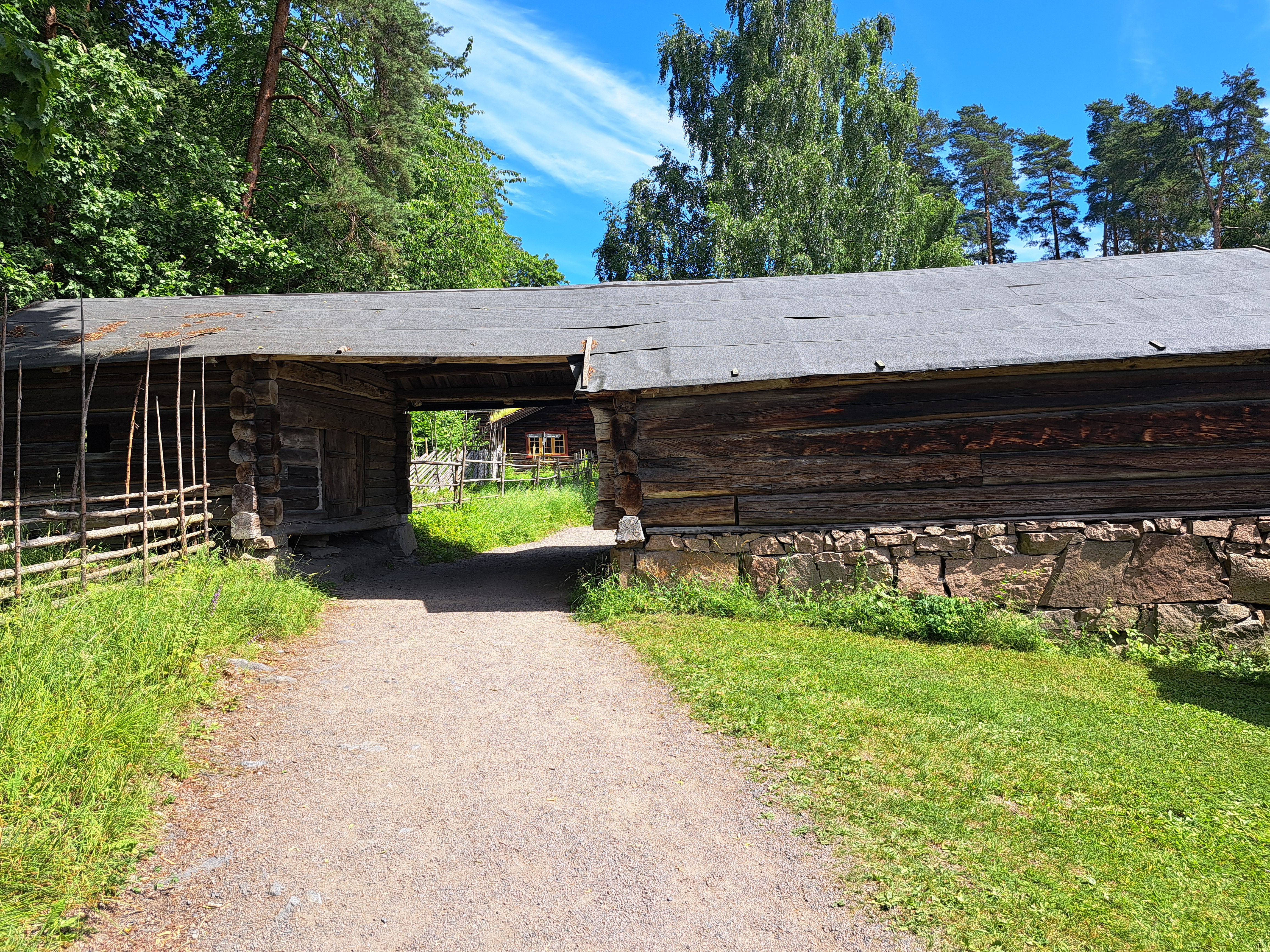
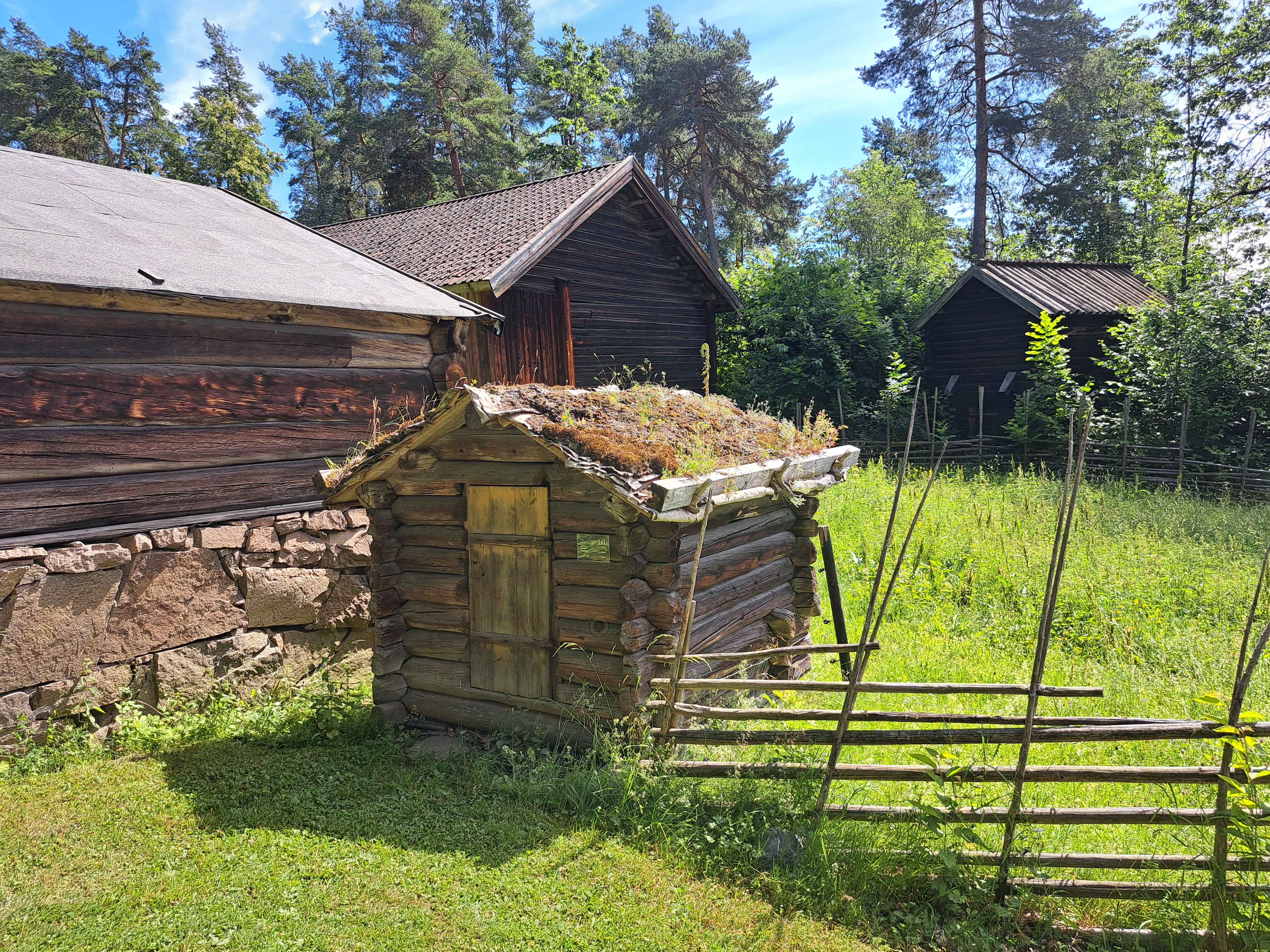
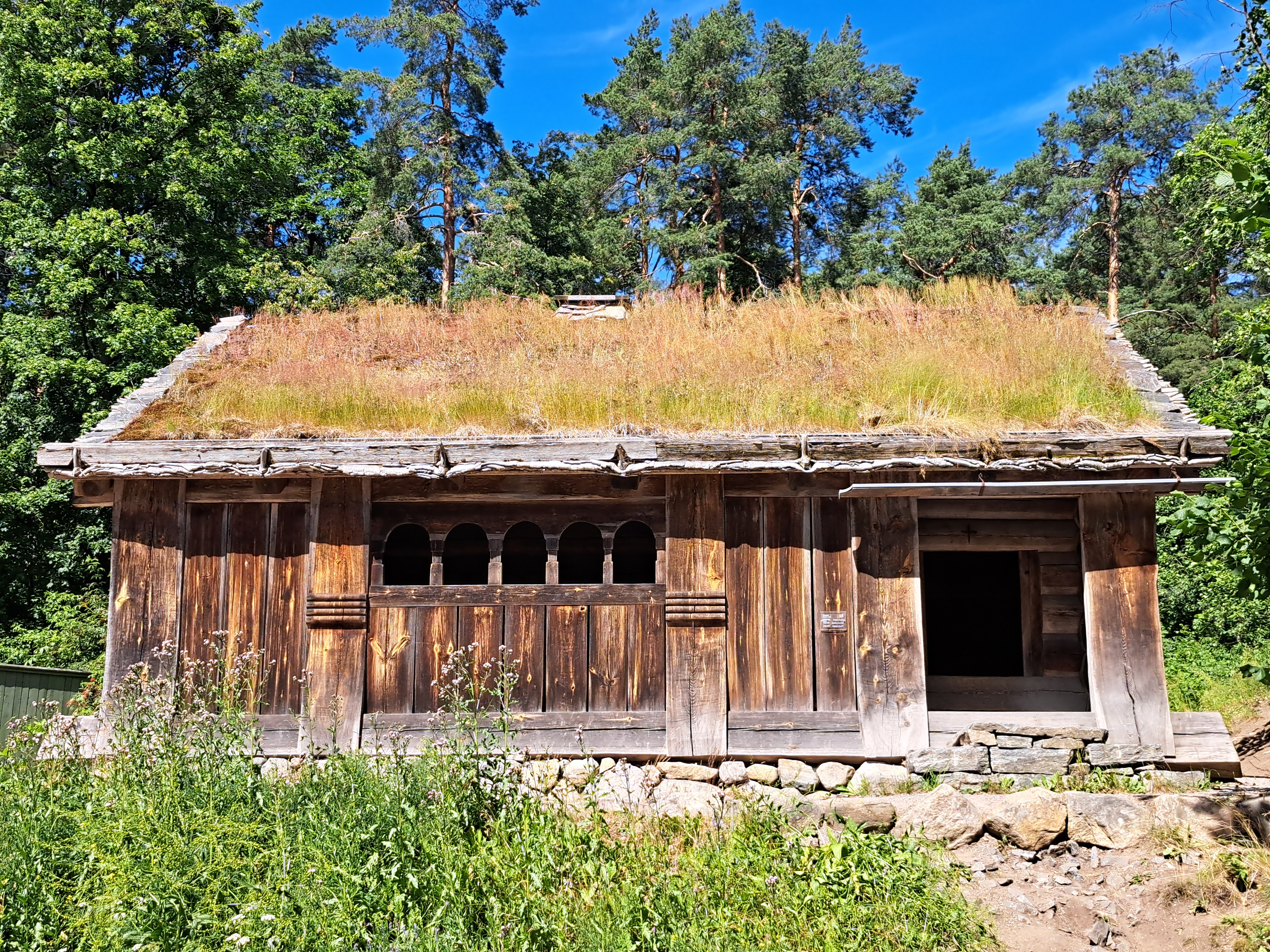
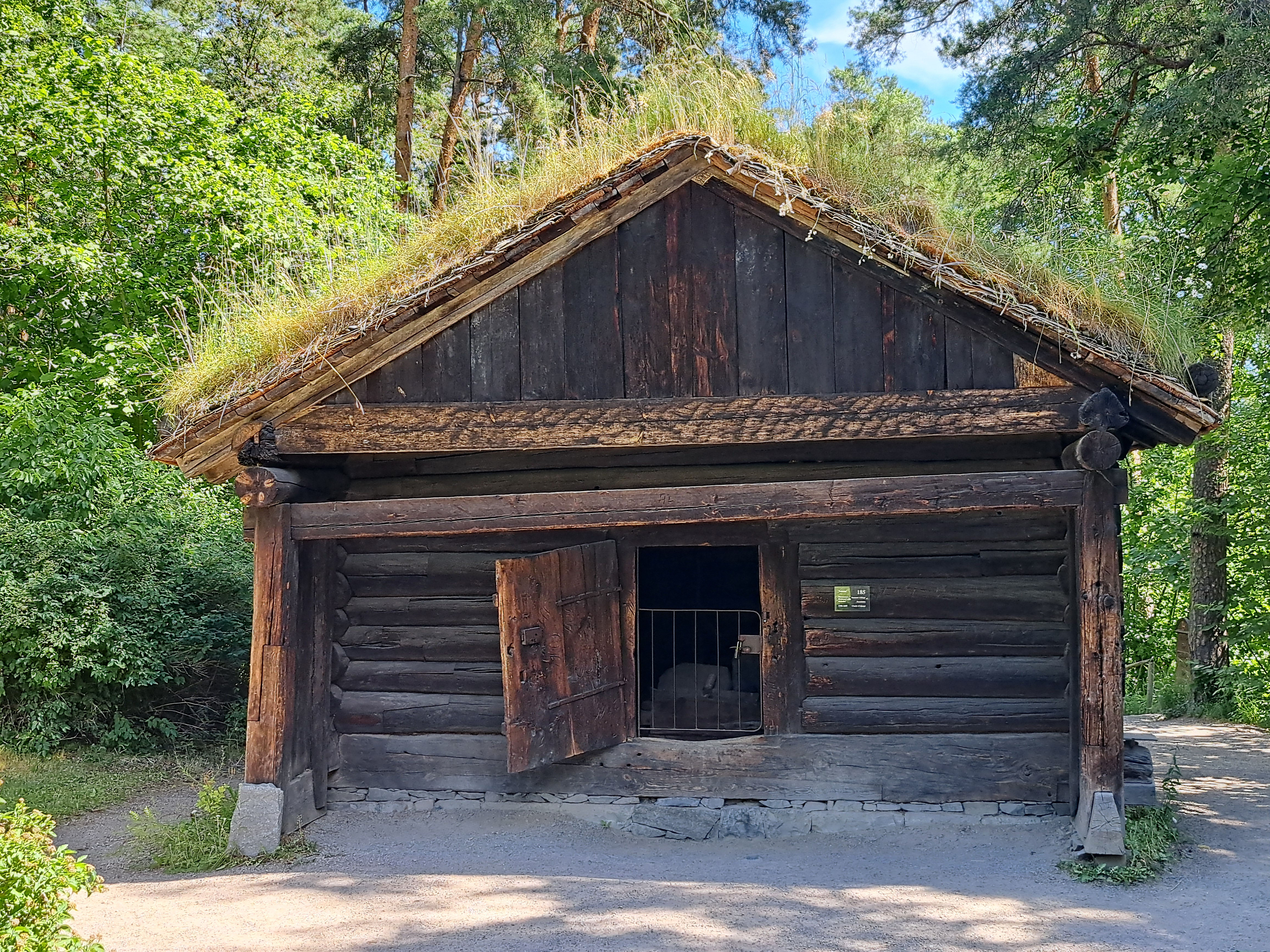
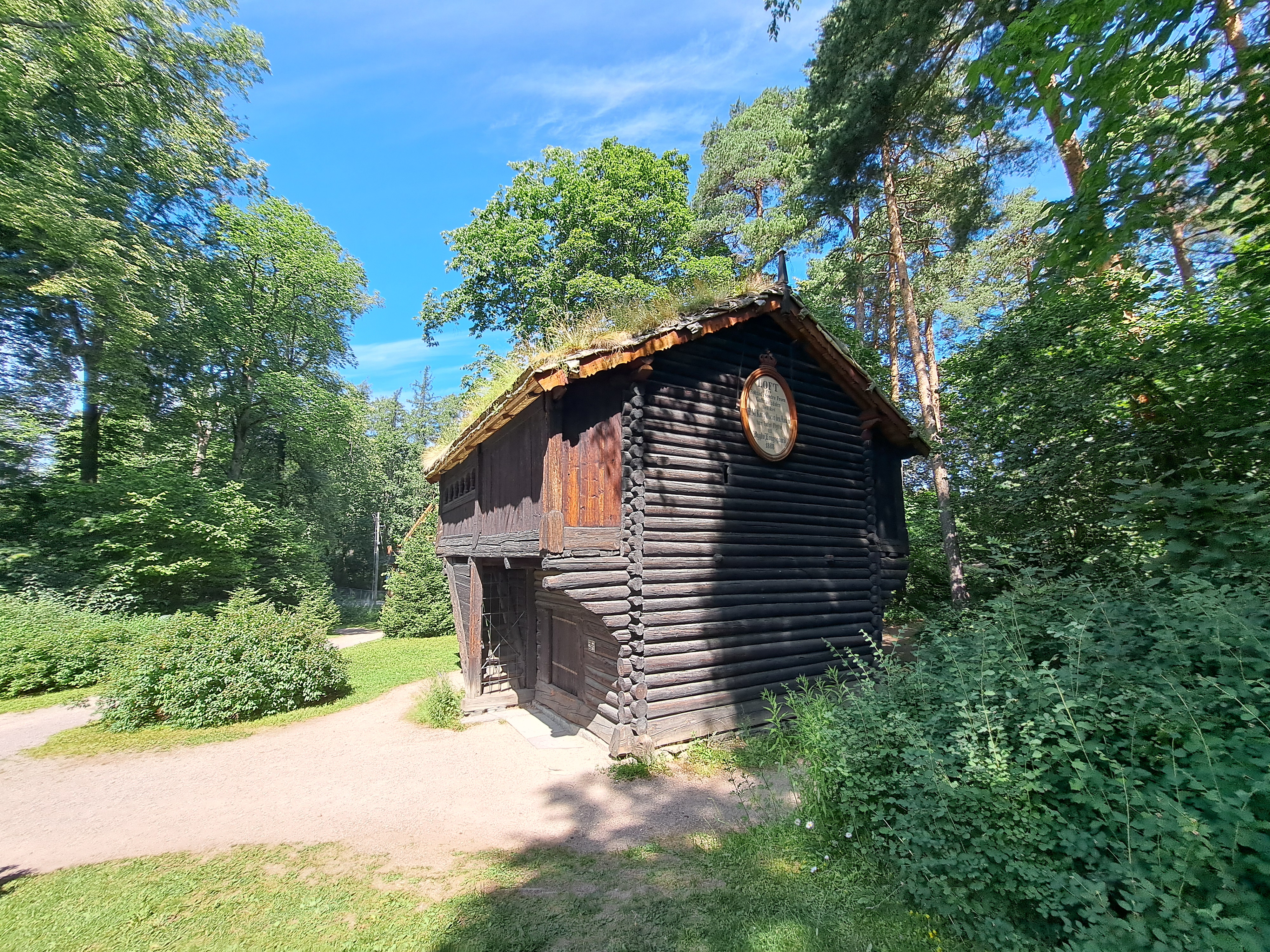
The museum represents a wide spectrum of ancient buildings, from rustic farmsteads, coastal & urban dwellings, sturdy townhouses from the capital city of Oslo to basic workers’ wooden apartments to rural Sámi dwellings. Buildings from the Middle Ages, right up to modern times, both rural and urban, from north to south, buildings from every corner of the country. The Museum is a fascinating collection of buildings reflecting a range of Norwegian cultural history. I had a wonderful time at the museum. It was a very pleasant site in which to wander aimlessly. There was a map, which I was given at the entrance, but I decided to follow my nose and go wherever I was taken, The natural pathways, free of any vehicles, was a very pleasant escape form the busy urban streets I had just come from.
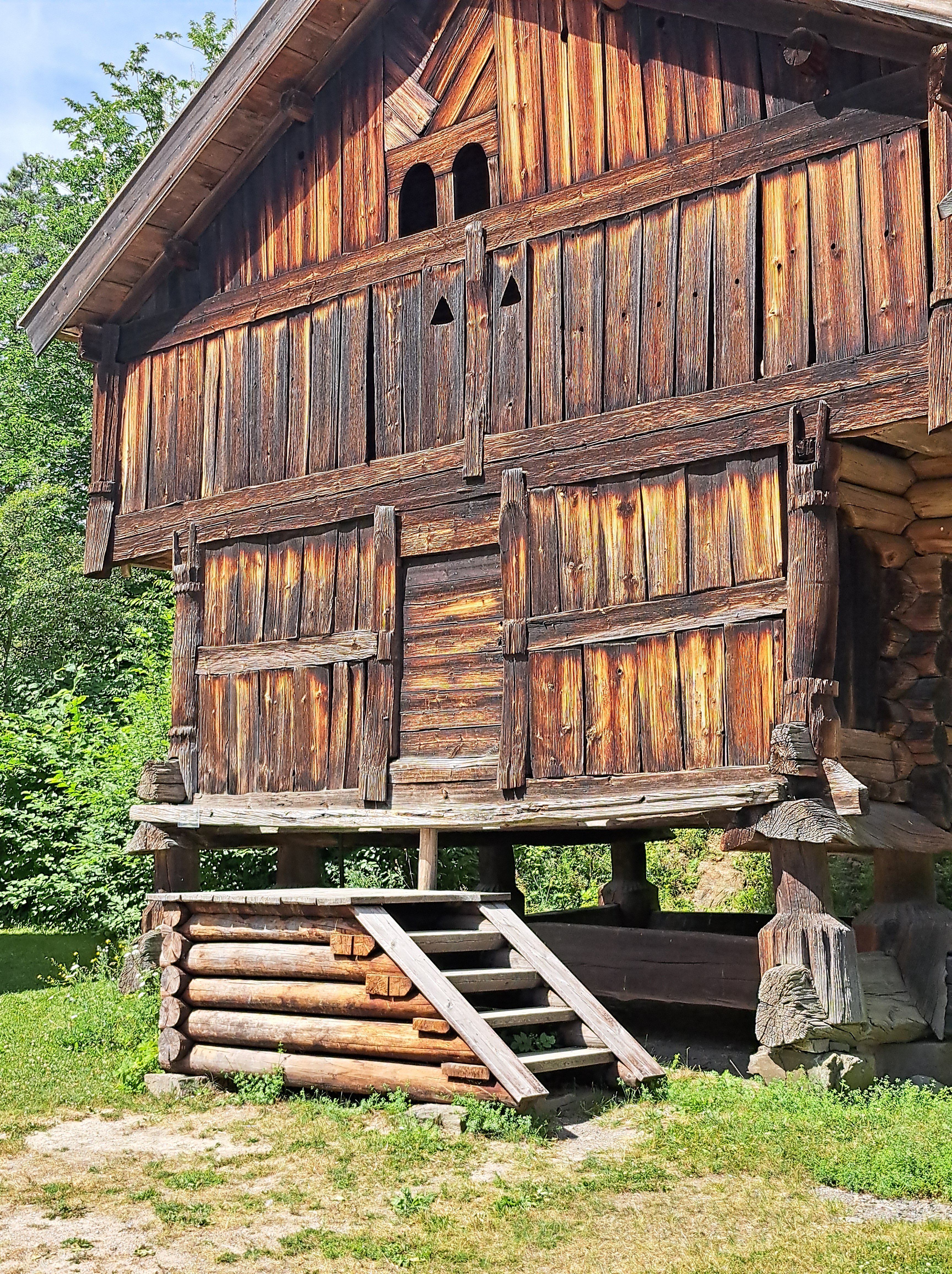

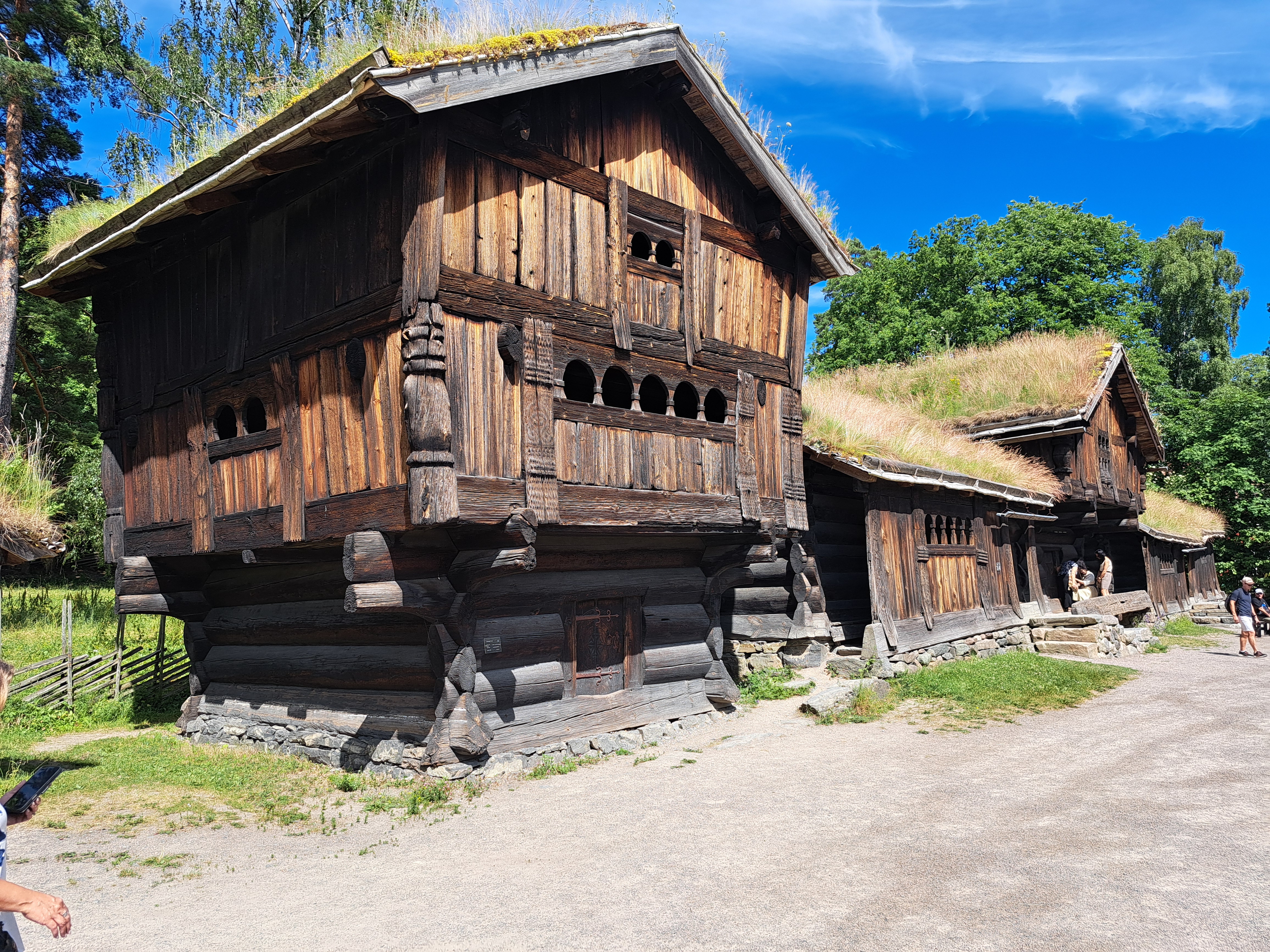
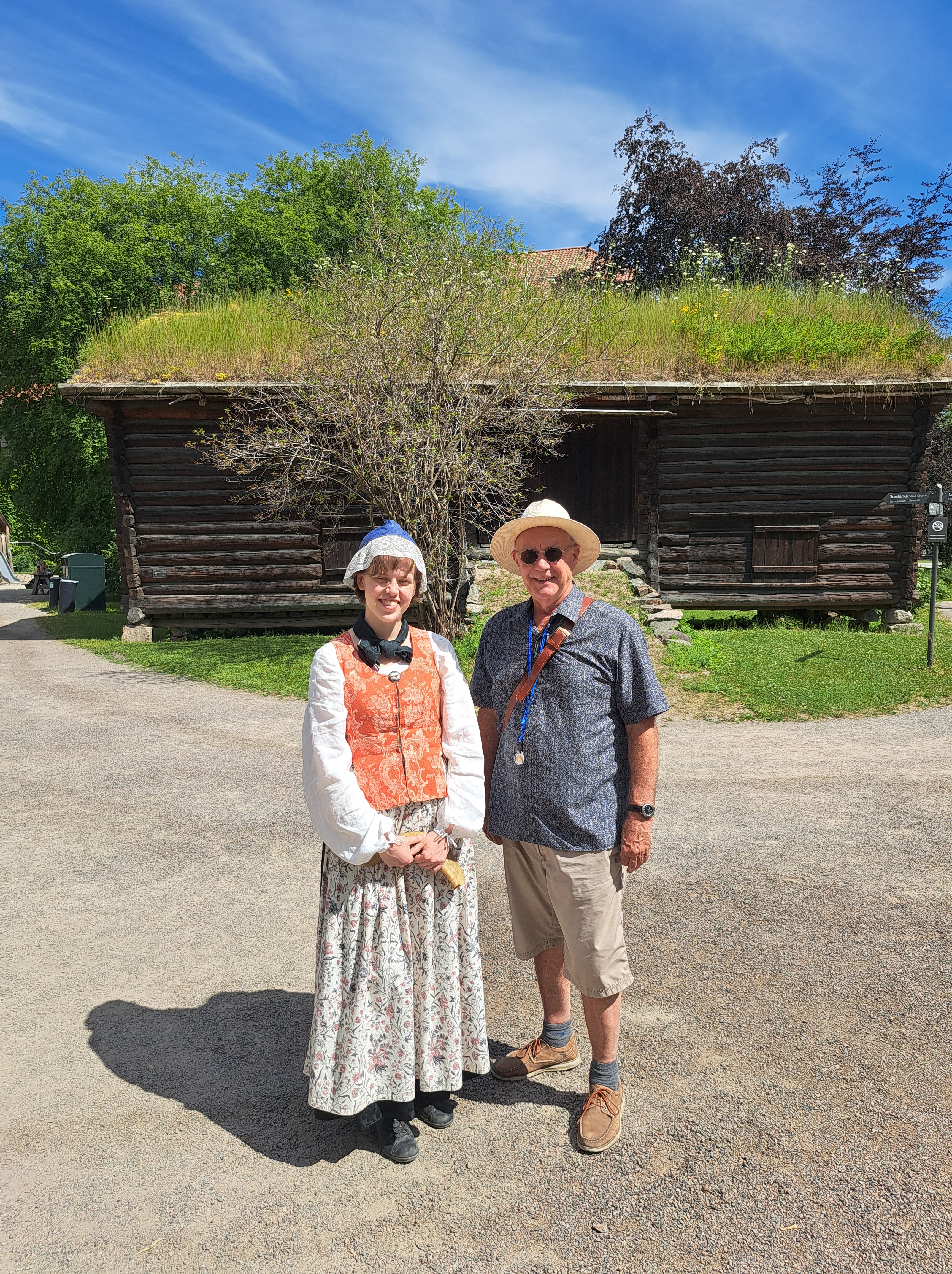
The stunning Norsk Folkemuseum is located on Bygdøy in Oslo, at Museumsveien 10, about 5 km (3 miles) from the city centre, but is within walking distance of a number of other museums on Bygdøy, including the Norwegian Maritime Museum, the Fram Museum, and the Kon-Tiki Museum. I would fully recommend a visit to the museum, when visiting Oslo. To get to the museum will require a little planning, I chose the Stromma HoHo because it also enabled me to see a lot more of the city. However you get there, I would fully recommend the visit, particularly if the weather if good. It is a large site with unpaved paths, in dry weather this is not an issue, but if it is wet make sure you have sensible shoes for the conditions. A fantastic museum, full of interesting and historical buildings, which will educate and fascinate for several hours. See you there!