
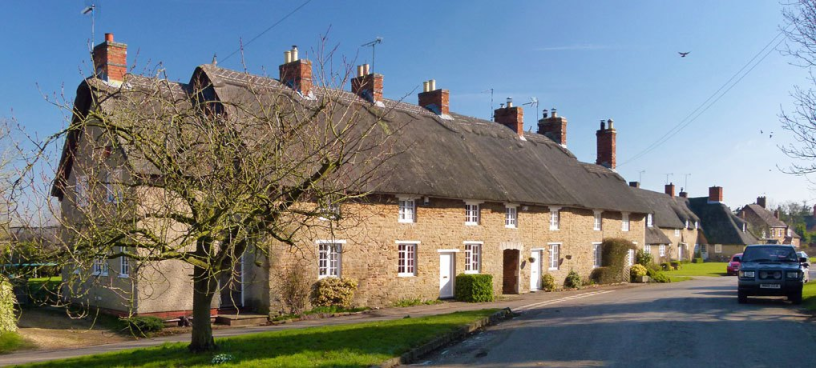
Chapter One: The County of Spires and Squires
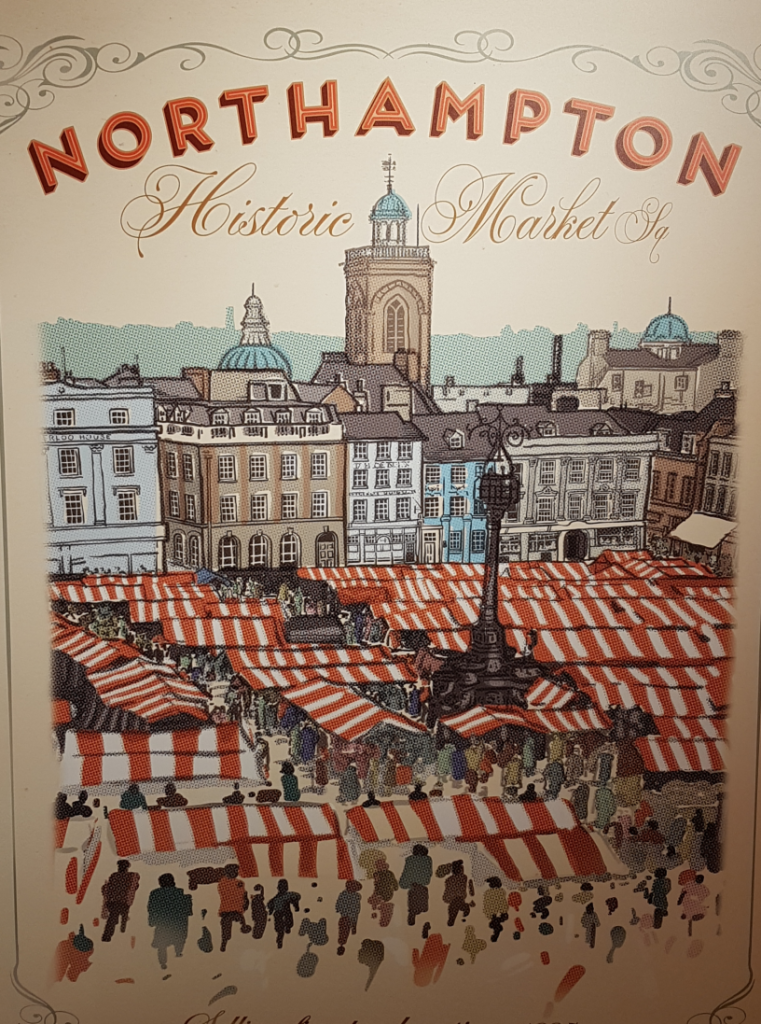
For many years, the county of Northamptonshire was somewhere I travelled through on the way to somewhere else. I didn’t really know too much about the county itself, apart from its association with boots & shoes! As a teenager, I liked football, so I did know that the local football club was called the cobblers, but I knew very little else about the county. When I started my studies to become a schoolteacher, I met a fellow student, whose family ties were in Northampton, and my connection with the county began, over fifty years ago.
After completing my degree, I taught in a couple of secondary schools in Northampton for couple of years, before moving on to the market town of Daventry, in the west of the county.
Although born in the Black Country, I have always considered the town of Daventry as my adopted home. I have established a lot of connections with the town over the years, I met my wife at a secondary school in the town, where I taught for over thirty years, and we were later married at 18th century Holy Cross Church. The town has been a wonderful town in which to live, work and raise our two children. I also wrote match reports for the Daventry Express, the local newspaper and Daventry Town Football Club, for some years acting as their club secretary, too.
As a former schoolteacher, who had studied and taught the subject of geography, I feel it is essential that I lay out the geographical position of the county. Northamptonshire is neatly landlocked between eight other counties, with Leicestershire, Rutland and Lincolnshire, with England’s shortest county boundary at 62ft to the north, Cambridgeshire to the east, Bedfordshire, Buckinghamshire and Oxfordshire to the south and Warwickshire to the west. Many of its population of 747,622 can be found in the central areas of 2,364 km2 (913 square mi), where you will find the county town of Northampton (249,093) and three other major towns, Corby (75,571), Kettering (63,150) and Wellingborough (56,564).
Despite this, Northamptonshire is still very much a rural county, with very few large urban areas. Rushden (31,685), Desborough (11,900), Daventry (27,790). Brackley (16,190) and Towcester (11,330), are the only other urban settlements of any size.
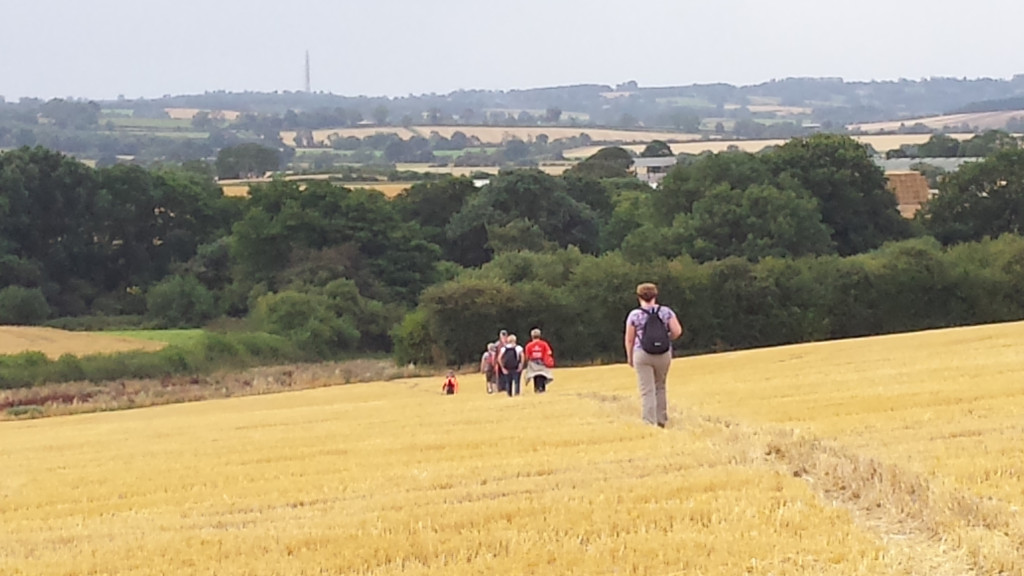
The northeast and southwest are rural with low, rolling hills, and charming villages in the west, from which several rivers have their source, the Avon, Cherwell and Nene. The river Nene, pronounced Nen, by many in the county, is the main river, which flows from its source in the southwest, winding northeast & passing very close to the centre of Northampton and Wellingborough. The source of the Nene is from the highest point in the county at Arbury Hill, southwest of Daventry, at 225 m (738 ft), just outside the beautiful village of Badby, famed for its magnificent show of Bluebells in Badby Woods. Two other rivers, including the Welland and Great Ouse, can be found on the other side of the county, flowing eastwards towards The Wash and North Sea.
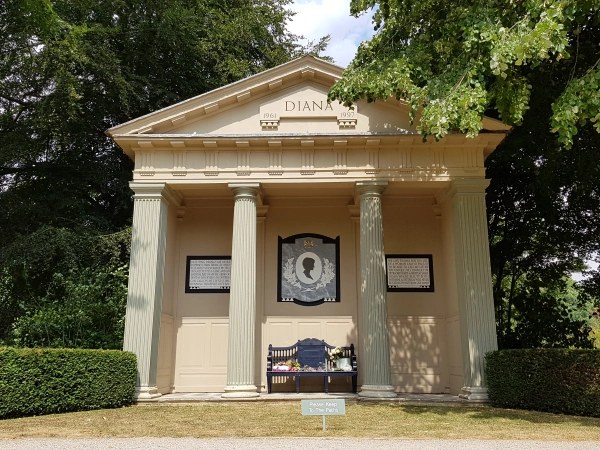
Northamptonshire is still referred to as the county of “spires and squires”, for good reason, it is still home to many wealthy landowners, aristocratic families and several fine medieval church spires, check out All Saints Church in Earls Barton, which has a marvellous Saxon tower. The author Jane Austen is said to have set her 1814 novel Mansfield Park in Northamptonshire, Cottesbrooke Hall and Castle Ashby, have both been suggested as the inspiration for Mansfield Park. Somewhat surprisingly, for a county dotted with country houses, the county has only three National Trust properties, the incomplete shell of Lyveden Lodge, Canons Ashby Tudor Manor House & the small reformation Priest’s House in Easton on the Hill.
Why is this, I hear you ask?
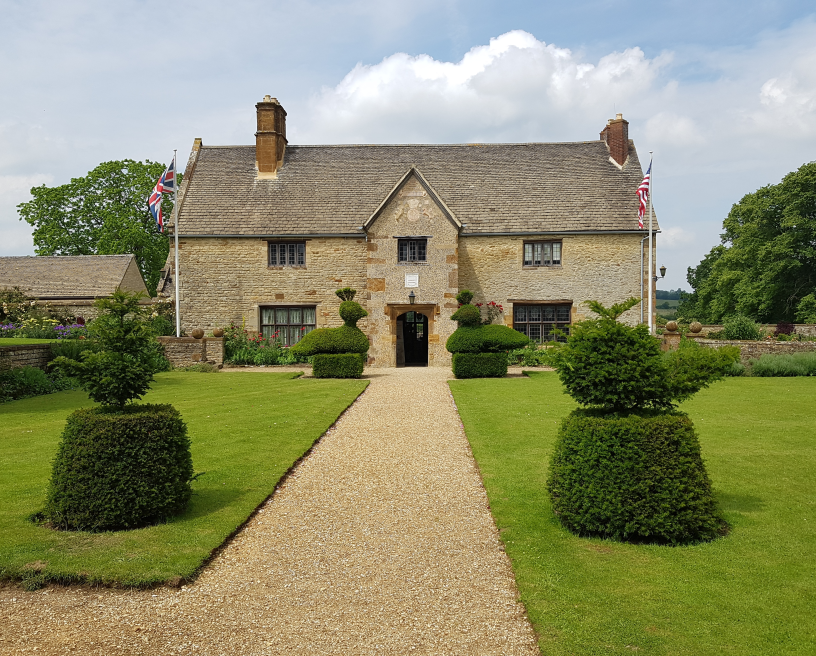
It is because many of the families of the landed gentry or rich landowners, stayed on in the county. Some families inserted clauses designed to restrain attempts at sale by succeeding owners.
‘Northamptonshire was not always on a visitor’s itinerary – but it’s now becoming a destination county.
So, the county still has many outstanding, privately owned properties country houses and estates, Boughton Hall, is an architectural treasure house, home of the Montagu family and their descendants since 1528, Easton Neston, a luxurious Baroque pile, the result of the individual design work of the influential architect Nicholas Hawksmoor, Rockingham Castle, once used as a Royal stronghold until Elizabethan times and the now ruined Fotheringhay Castle, which was used to imprison Mary, Queen of Scots, before her execution, to name just a few!
Coming Soon: Chapter Two: Home to a Princess – Althorp


Very enjoyable and informative
LikeLike
Thank you Margaret. I am glad you enjoyed my review.
LikeLike