Alberobello
My recent week-long tour to the Mezzogiorno, Southern Italy included a number of cultural excursions, in Puglia & Basilicata including Alberobello, Puglia.
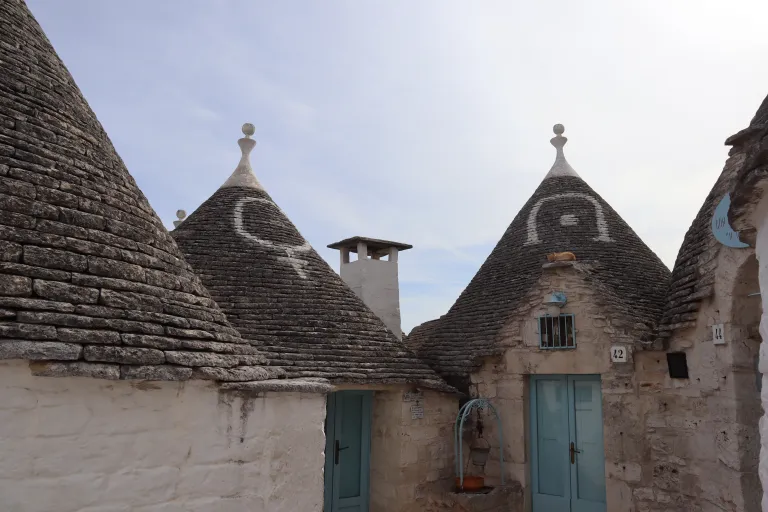
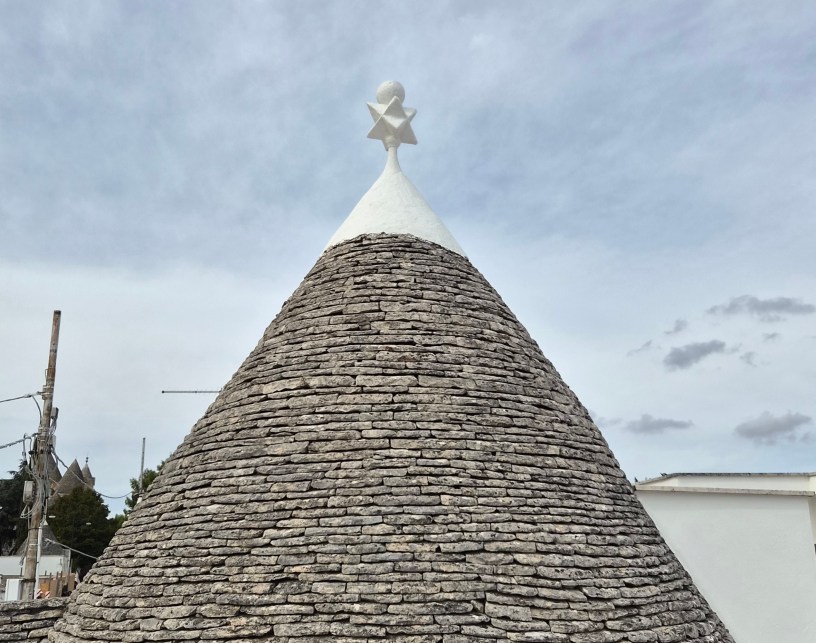
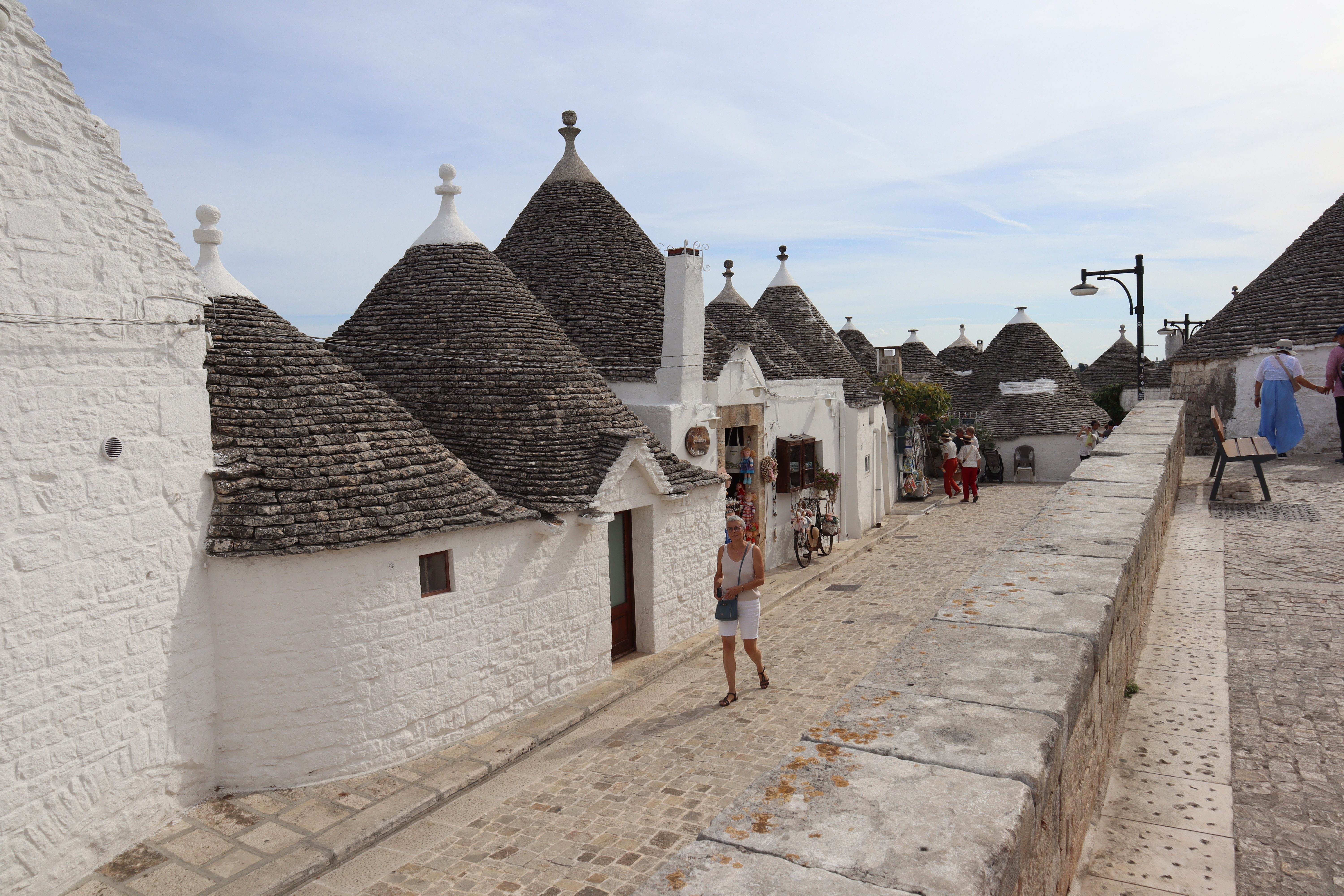
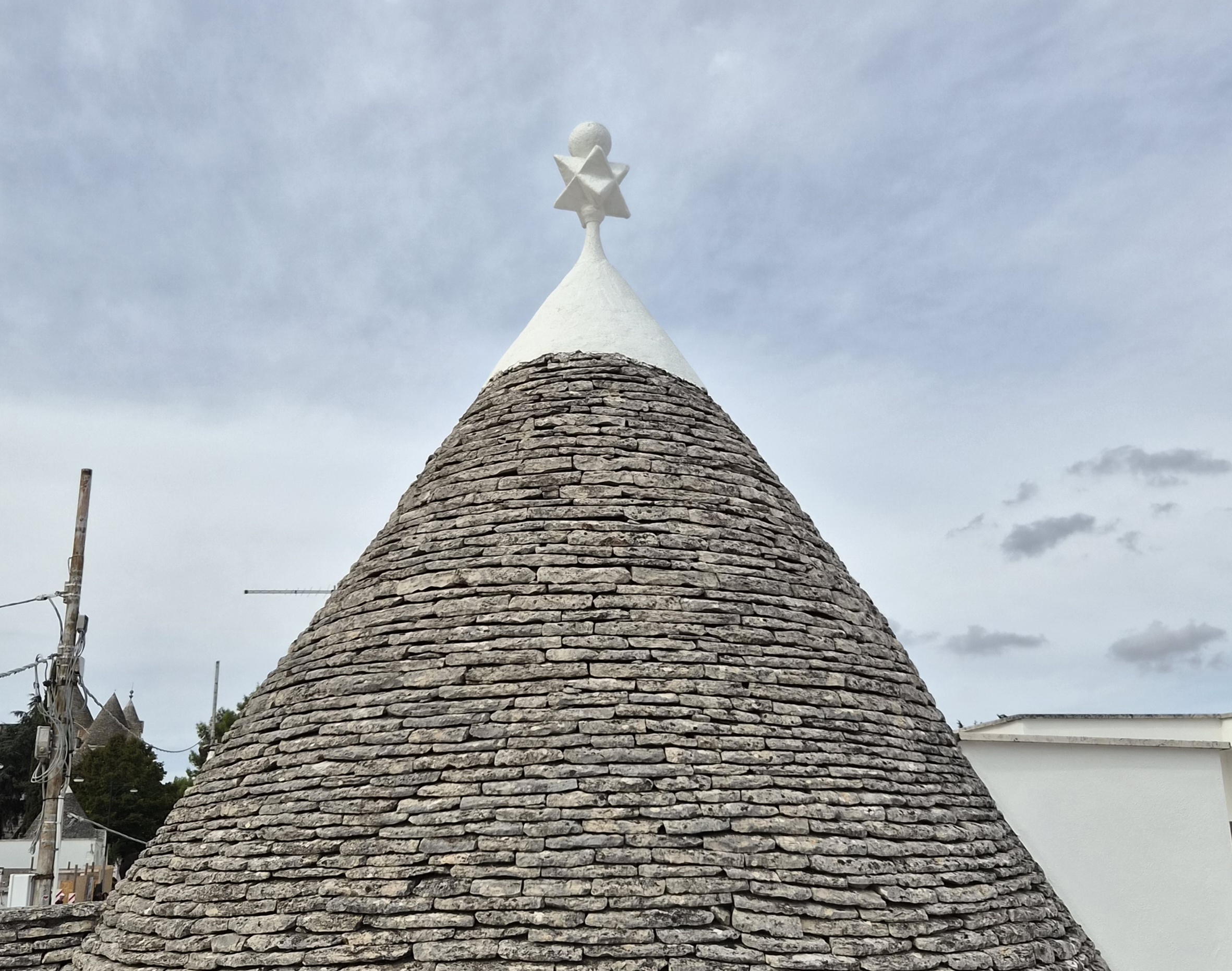
In the town of Alberobello, in the province of Bari, this is where you will find large concentrations of the iconic trulli houses. Alberobello is such an extraordinary place to visit. Unfortunately, many others had the same thought on the day we visited. Nevertheless, it did not distract from our visit. A trullo (plural, trulli) is a traditional Apulian dry stone limestone hut, with whitewashed walls and a distinctive cone – shaped, grey stone roof, built without using mortar, using corbelled limestone slabs.
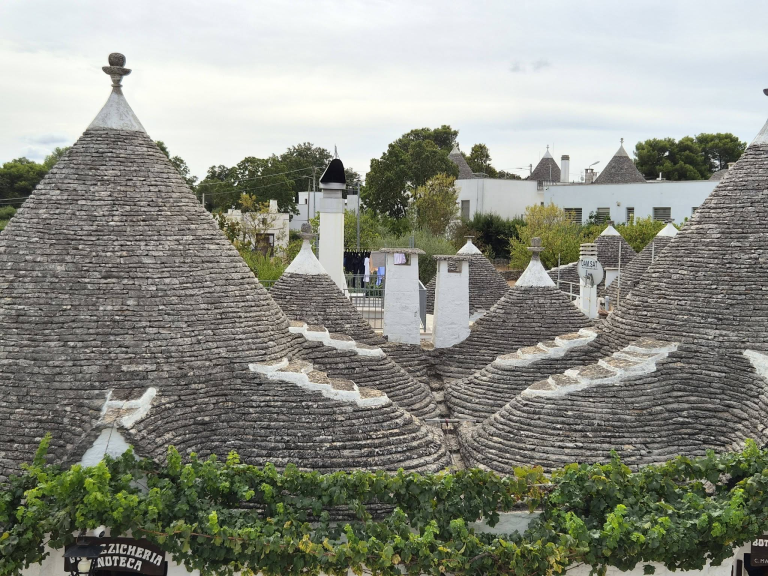
It is said, but no one knows for sure that Trulli were usually constructed as temporary field shelters/storehouses or as permanent dwellings by estate landowners for their agricultural labourers. It is rumoured that the trulli houses were sometimes built by local farmers, who looking to avoid property housing taxes, could quickly take apart their homes when the tax inspectors were nearby, thus avoiding the tax, then they could be quickly rebuilt, when they had gone. Local landowners could also easily throw the peasant farmers off the land, when they wanted to sack them, by taking apart their homes easily.
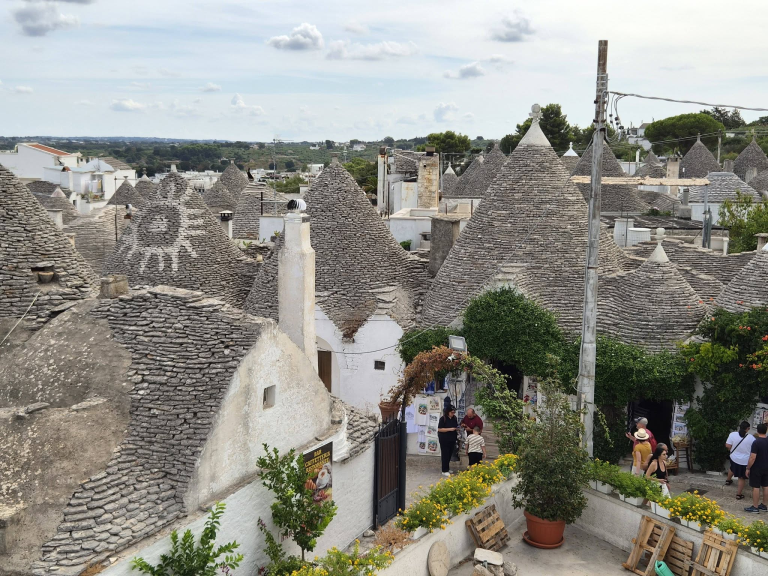
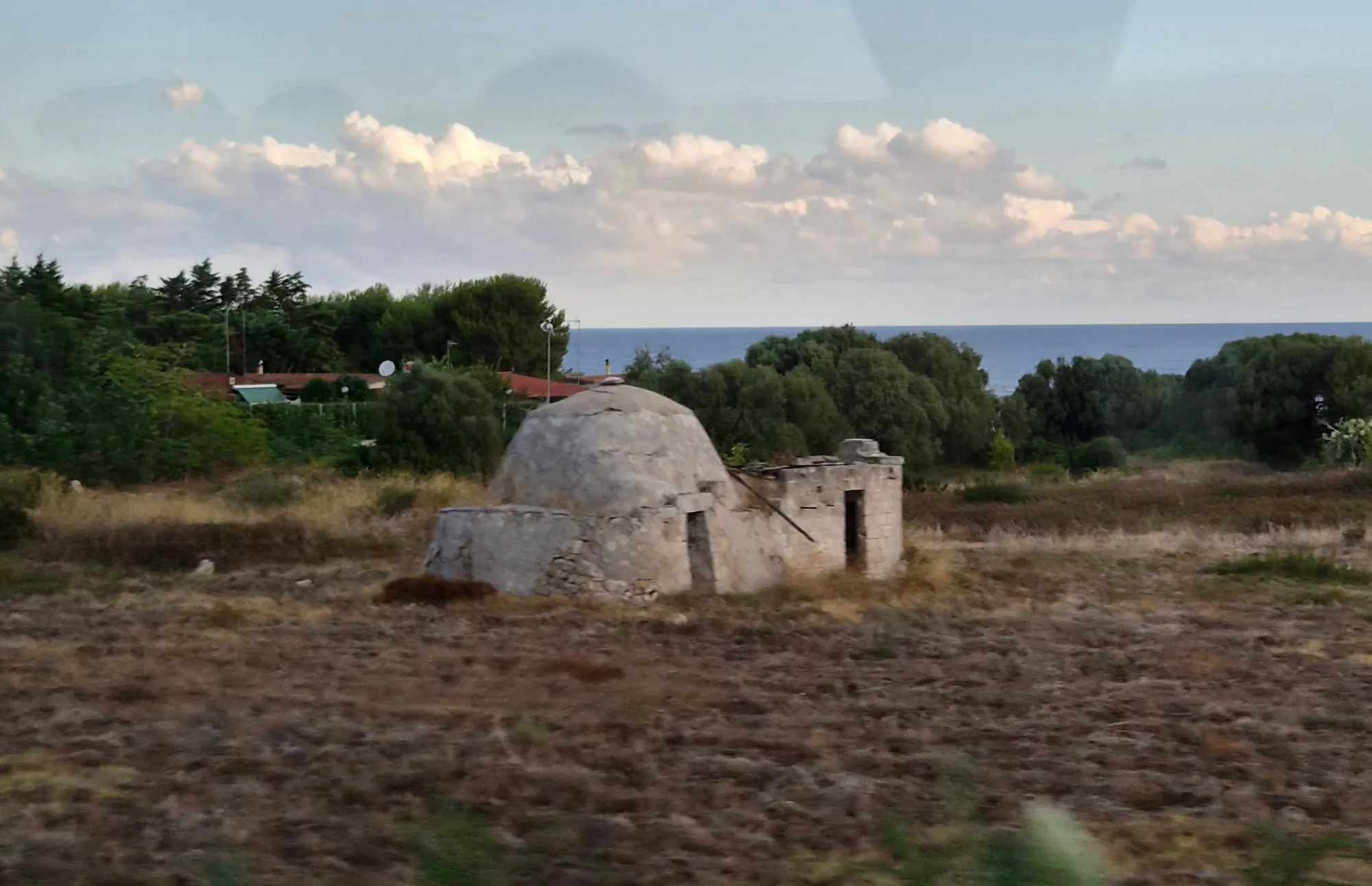
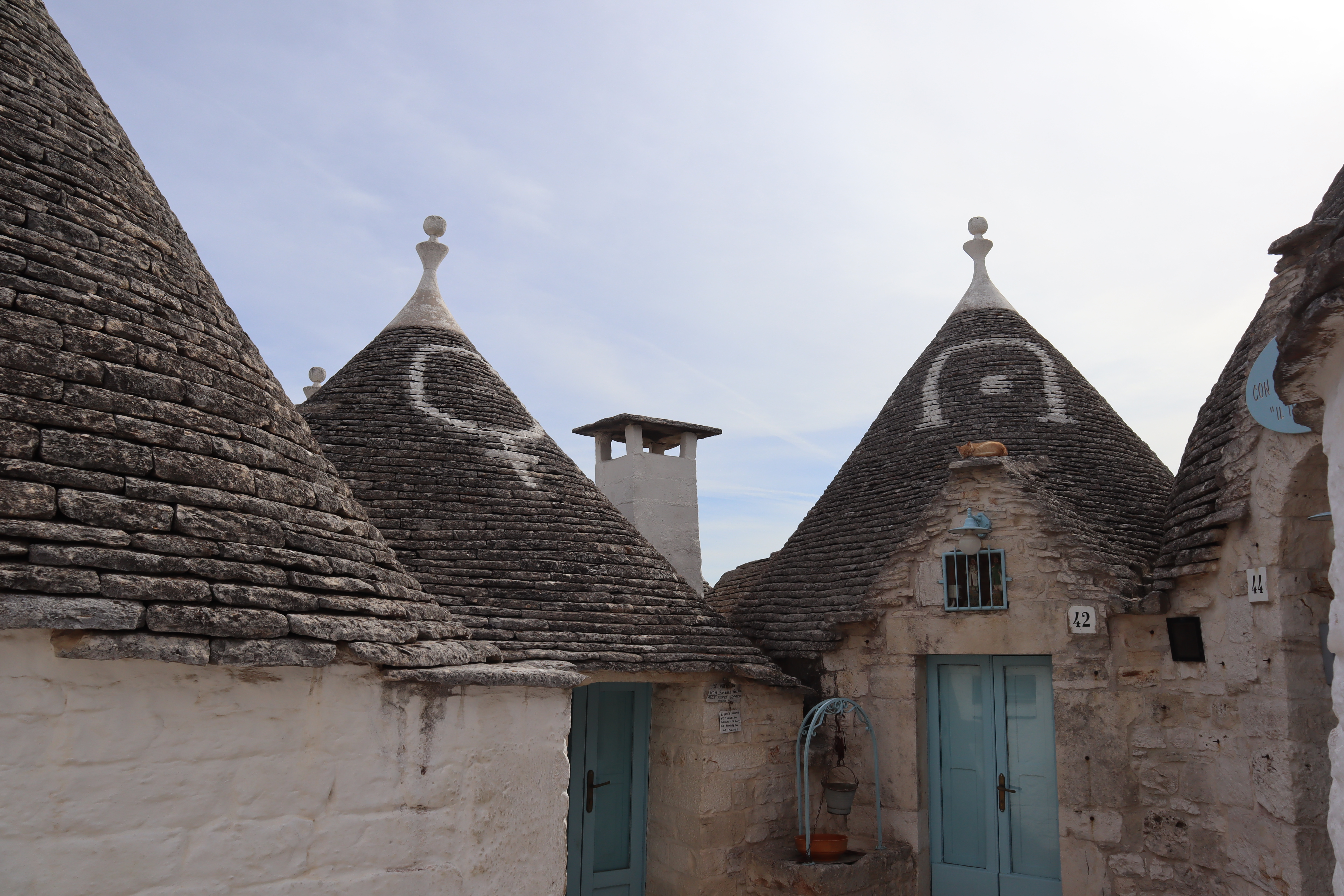
The walls are very thick, made of a double skin filled with stone rubble and the doors and windows are small, keeping the house cool in the summer and insulating the house during the colder periods. I was able to view many of these trulli houses, many now fashionable restaurants, boutique shops and tourist retail outlets, with a panoramic view of the town, from the rooftop of one of these stunning houses. Note the symbols which were sometimes painted on the roofs to ward off evil spirits and bring good luck to its occupants. My pictures show a basic field shelter trulli and some of the more permanent trulli houses.
As time passed the trulli became much more sophisticated with more rooms added, improving stability and eventually became much more substantial living accommodation, with all modern conveniences. From their humble beginnings as peasant housing and field shelters, they are now all part of a very important UNESCO World Heritage site and one of Italy’s most extraordinary architectural marvels. They are a unique blend of history, craftsmanship and Puglian charm.
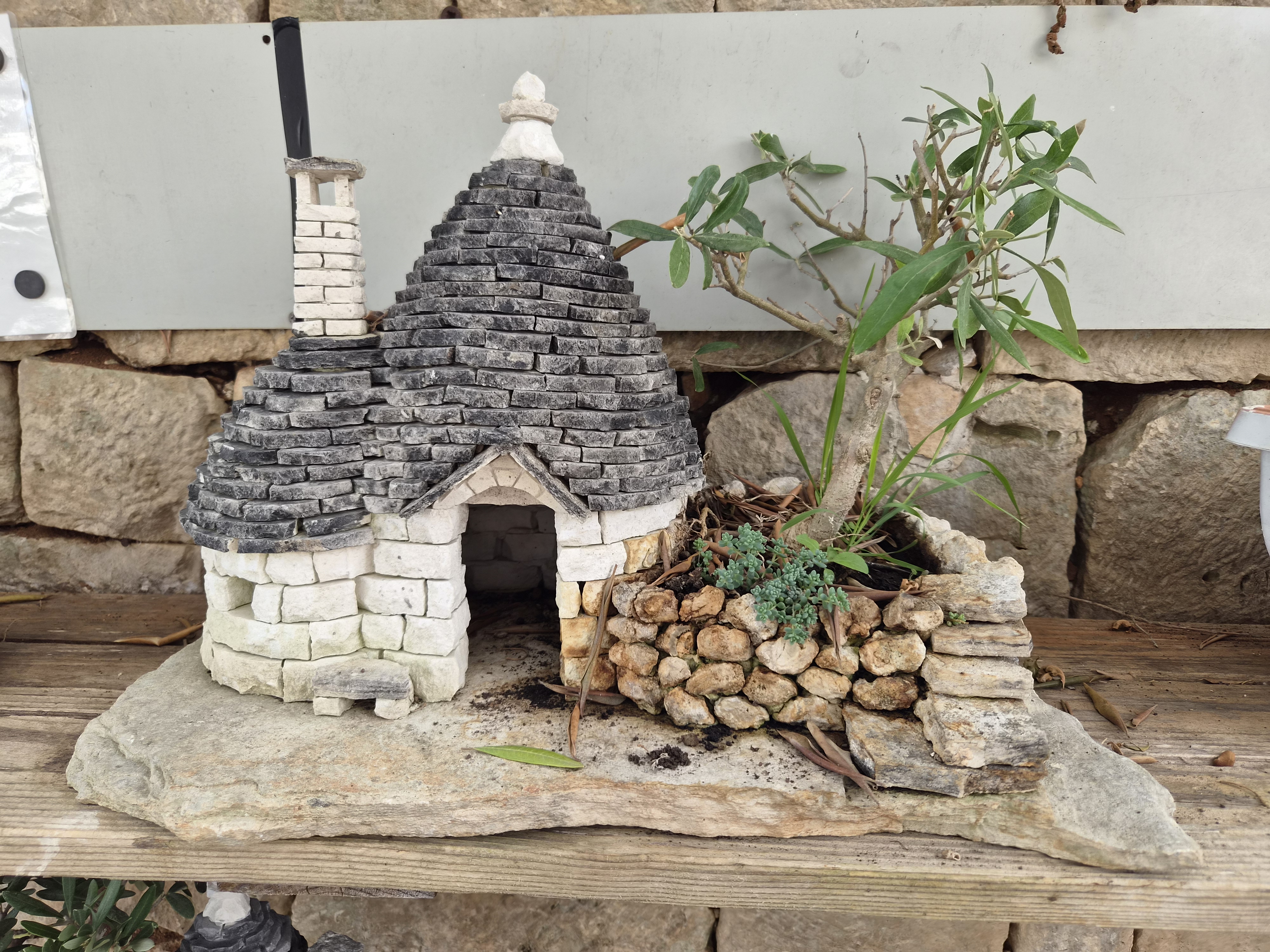
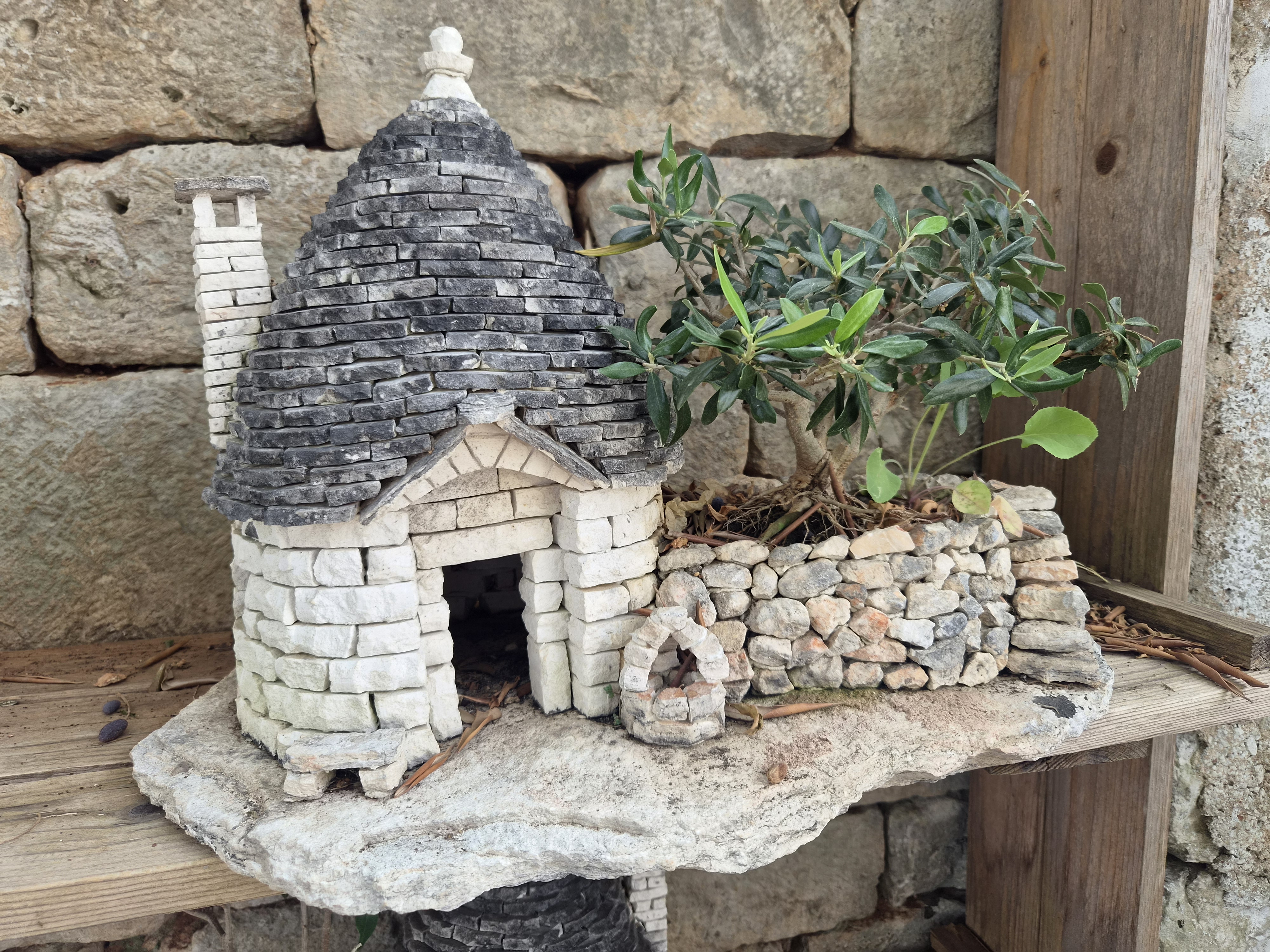
Alberobello is a fascinating place to visit and admire these incredible structures. When strolling around the Puglian town of Alberobello, I came across some wonderful miniature trullo houses (plural, trulli). They are made by local craftsmen and women and are a miniature version of the traditional Apulian dry stone limestone huts. I thought they were a wonderful representation of the real trulli houses. Trulli delightful!
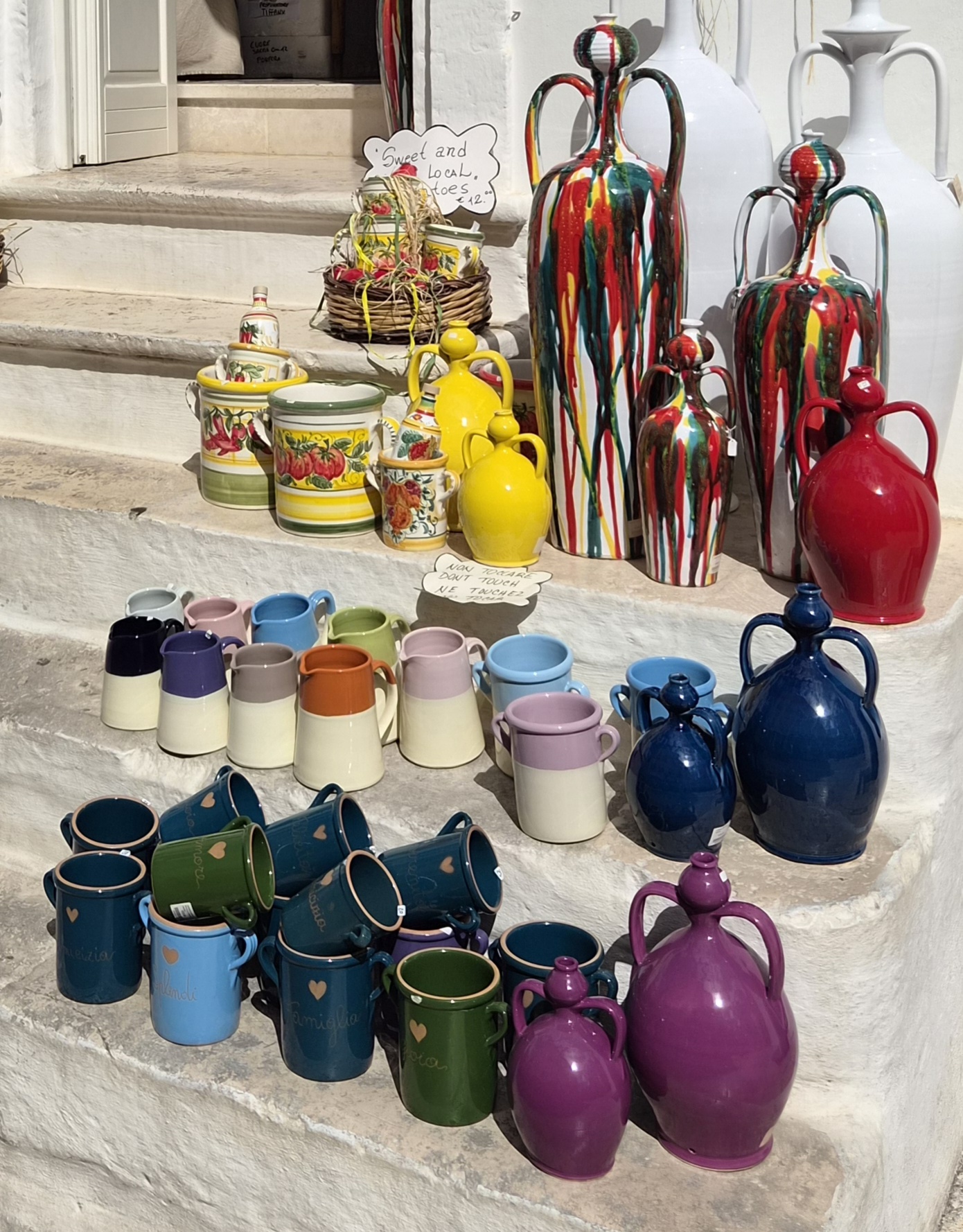
I also saw some very beautiful Puglian ceramics in Alberobello. Unfortunately, there was no room in the flight luggage. On leaving Alberobello, we came across a number of the cars in the MG Car Club D’Italia parade. The Benvenuti al Sud – Direzione regionale Puglia as we made our way back to our coach.
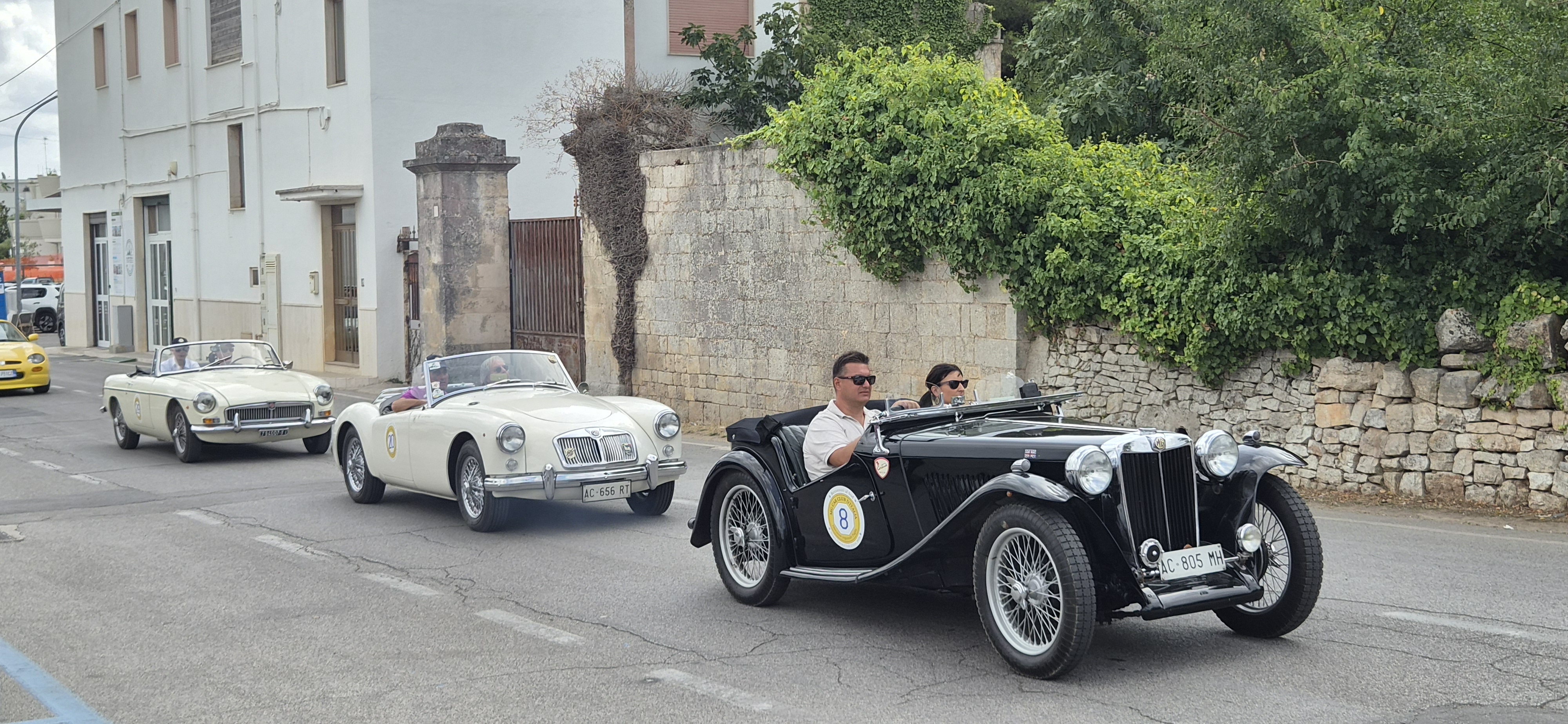
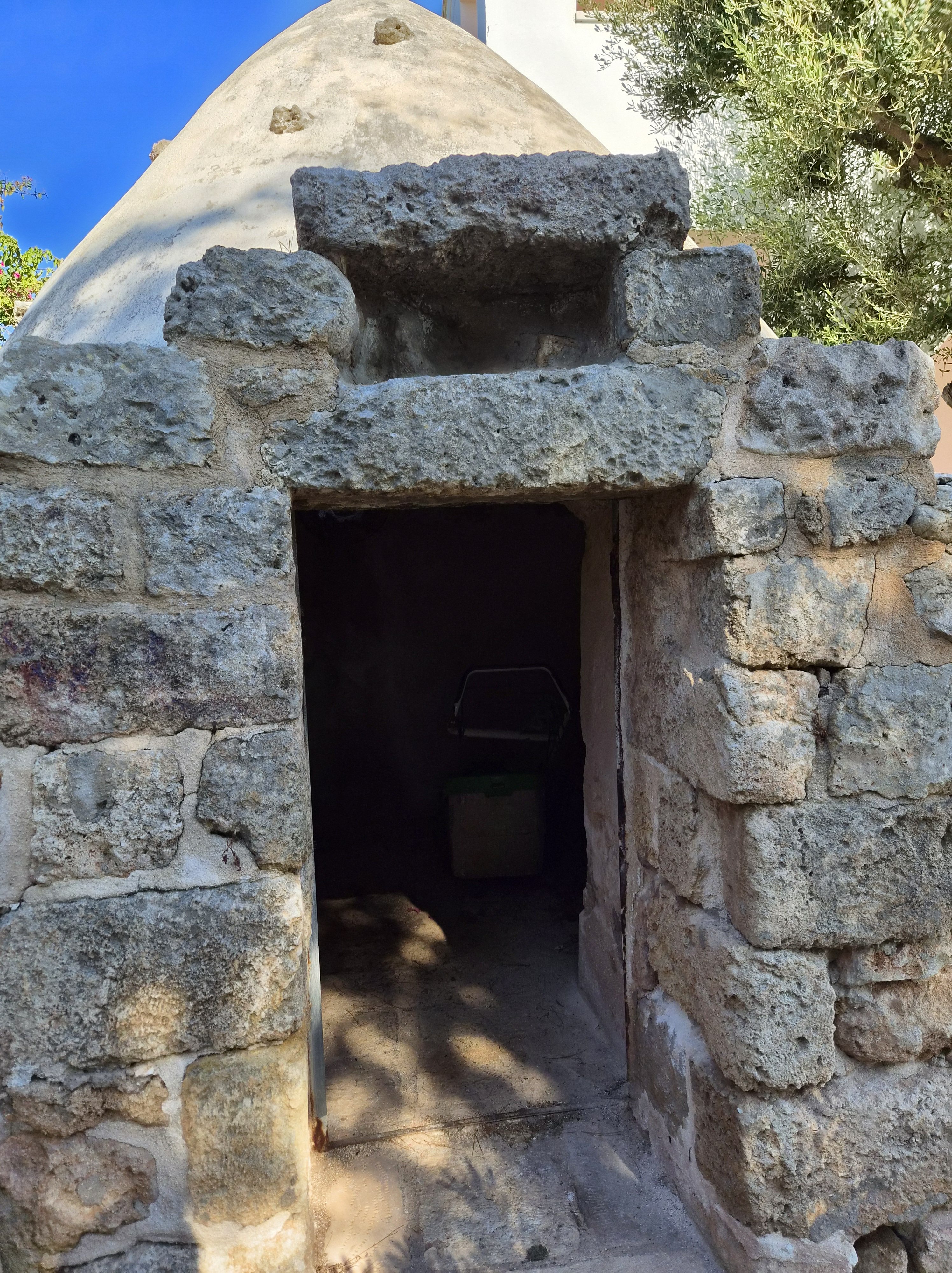
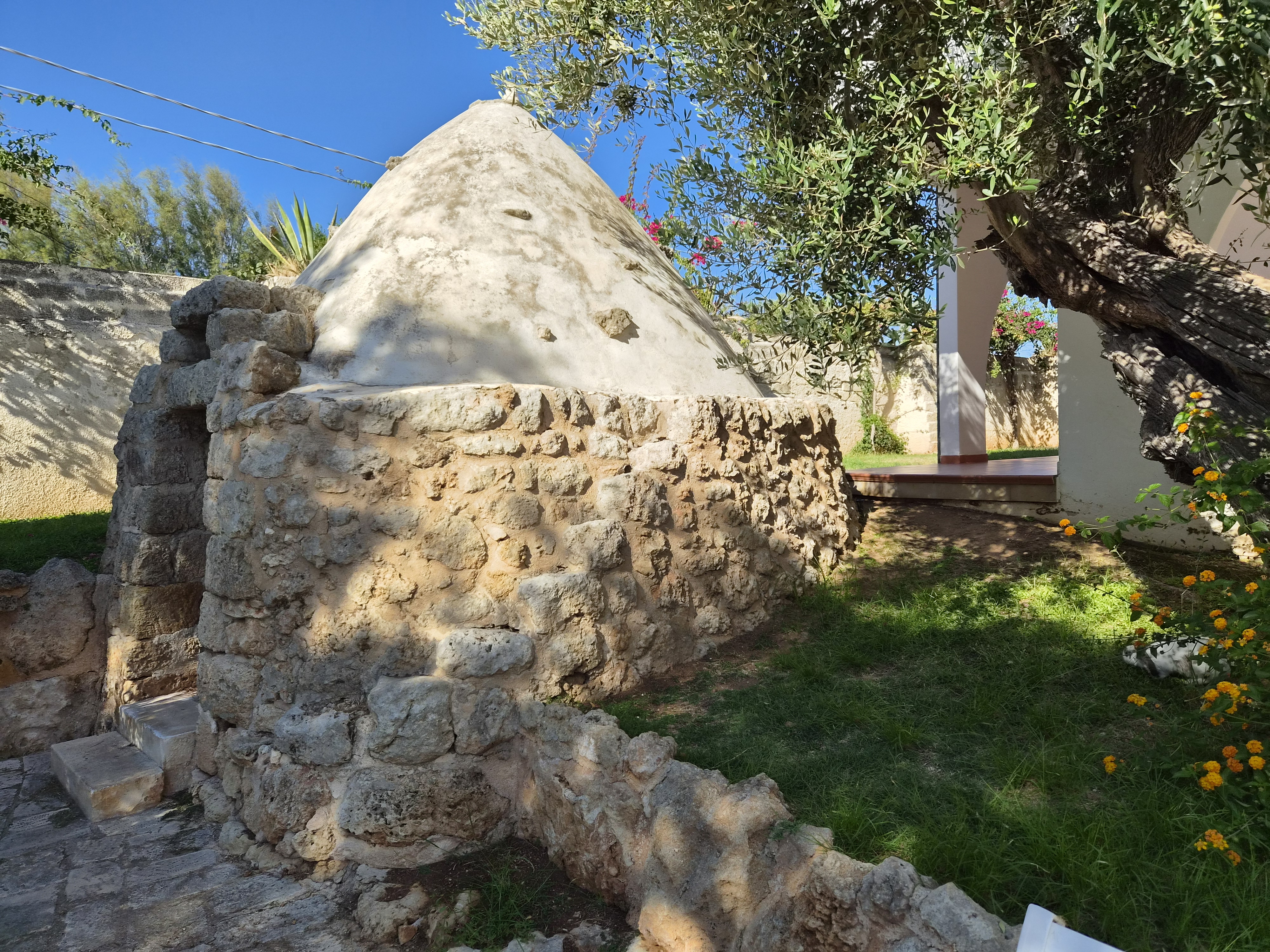
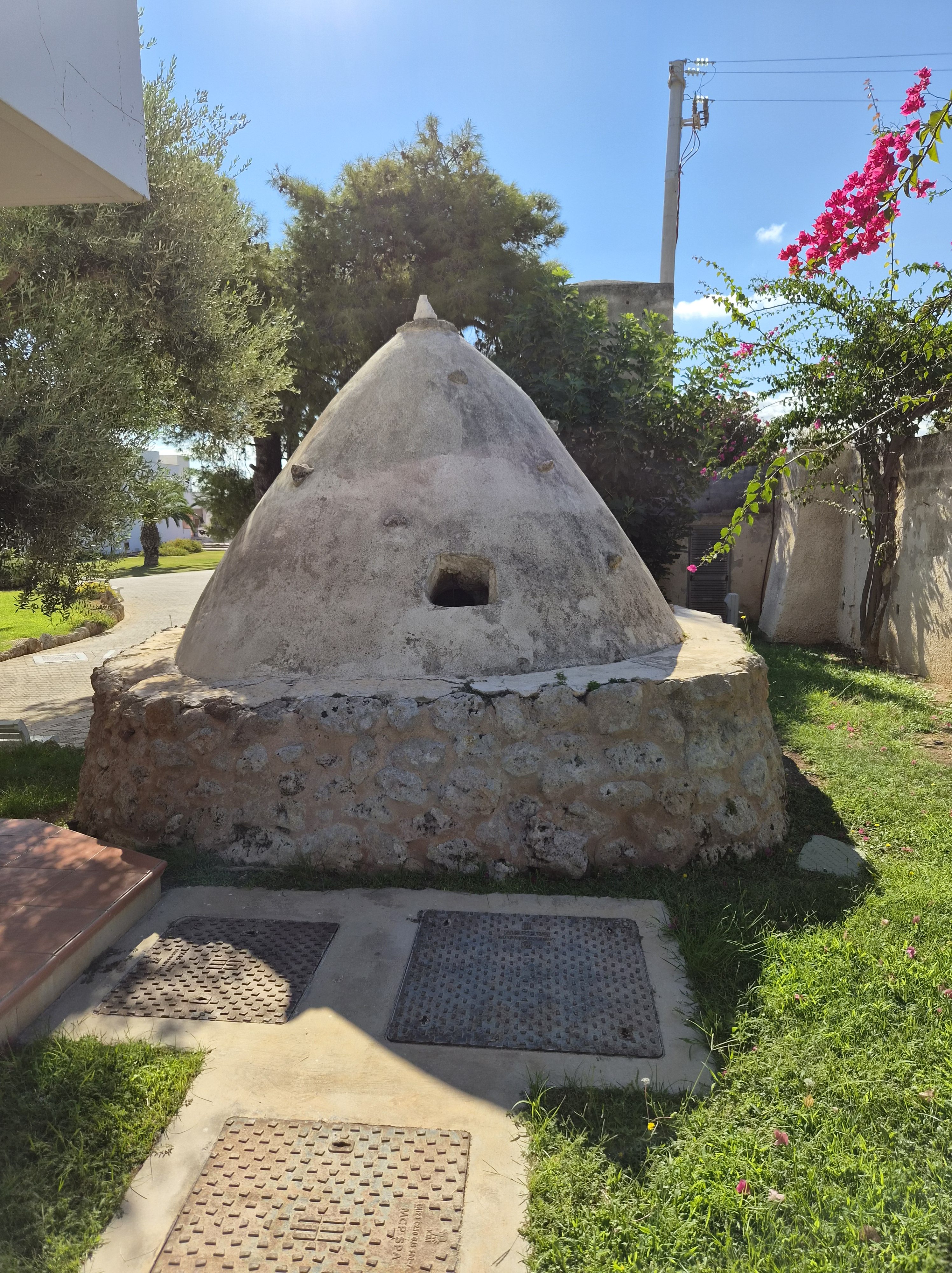
As someone who had once owned several MG cars, this was a real treat. Below: Our very own Trulli structure, a conical dry stone building, originally built as a shelter for animals or farm workers, right outside our hotel room at the Pietrablu Resort & SPA – CDSHotels. I had been touring Puglia & Basilicata, Italy with Great Rail Journeys.